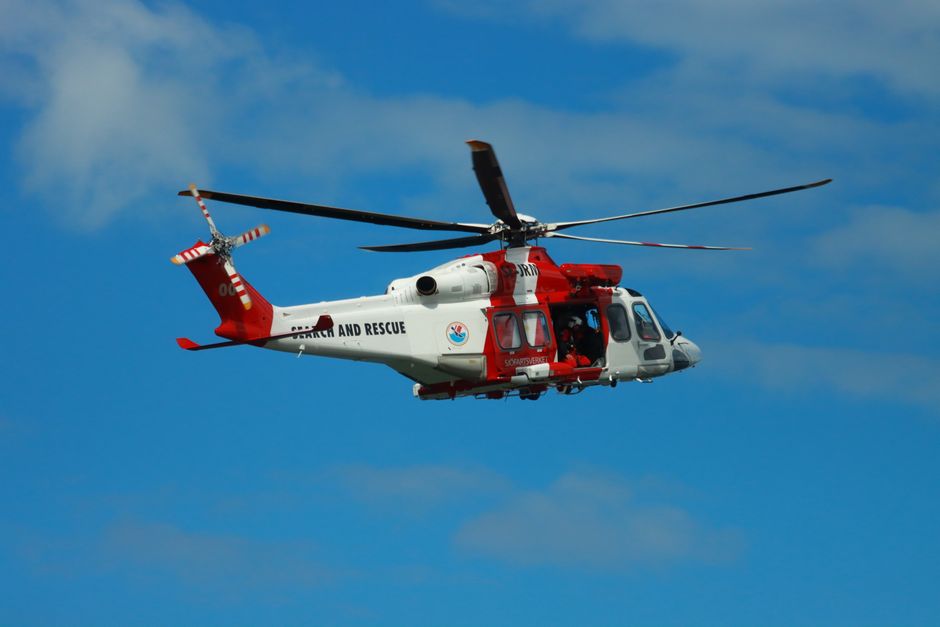
- A Nepali Sherpa was found alive on Mount Everest after six days without food or oxygen in a dramatic rescue.
- The rescue operation involved a thorough search using helicopters and ground teams to locate the missing Sherpa.
- The Sherpa was in critical condition due to severe dehydration and altitude sickness, but received emergency medical care.
- Bad weather hindered the rescue efforts, with high winds and low visibility making it difficult to reach the Sherpa.
- The rescue team consisted of experienced climbers and guides who have extensive knowledge of the mountain.
A Nepali Sherpa has been found alive on the slopes of Mount Everest after missing for six days without food or oxygen, in a miraculous rescue that highlights the challenges and risks of climbing the world’s highest mountain. The Sherpa, whose name has not been disclosed, was located on the mountain after an extensive search operation. The rescue efforts were led by a team of experienced climbers and guides who braved harsh weather conditions to reach the missing Sherpa.
Evidence of the Rescue Efforts

The rescue operation was launched after the Sherpa was reported missing by his team, and it involved a thorough search of the mountain using helicopters and ground teams. According to reports, the Sherpa was found in a critical condition, suffering from severe dehydration and altitude sickness. The rescue team provided the Sherpa with emergency medical care, including oxygen and food, before evacuating him to a lower altitude for further treatment. The rescue efforts were hindered by bad weather, with high winds and low visibility making it difficult for the rescue team to reach the missing Sherpa.
The Role of the Rescue Team

The rescue team that located the missing Sherpa consisted of experienced climbers and guides who have extensive knowledge of the mountain. The team was led by a seasoned guide who has climbed Mount Everest several times and has experience in rescue operations. The team worked closely with the Nepali authorities and the Sherpa’s team to coordinate the rescue efforts. The rescue team’s efforts were praised by the Nepali government, which thanked them for their bravery and selflessness in saving the life of the missing Sherpa.
Trade-Offs of Climbing Mount Everest

The rescue of the Nepali Sherpa highlights the risks and challenges of climbing Mount Everest, which is considered one of the most dangerous mountains in the world. Climbing the mountain requires a high level of physical fitness, as well as extensive experience and knowledge of the mountain. However, the rewards of climbing Mount Everest are significant, with the mountain offering breathtaking views and a sense of achievement that is hard to match. Despite the risks, many climbers are drawn to the mountain, and the Nepali government has implemented various measures to reduce the risks, including requiring climbers to have experience and training before attempting to climb the mountain.
Timing of the Rescue

The rescue of the Nepali Sherpa came at a critical time, just as the climbing season on Mount Everest was getting underway. The rescue efforts were hindered by bad weather, but the team persevered and eventually located the missing Sherpa. The rescue highlights the importance of being prepared for emergencies when climbing the mountain and the need for experienced guides and rescue teams. According to reports, the rescue team used specialized equipment and techniques to reach the missing Sherpa.
Where We Go From Here
The rescue of the Nepali Sherpa will likely have significant implications for the climbing season on Mount Everest, with many climbers and guides re-evaluating their plans in light of the rescue. In the next six to twelve months, we can expect to see increased safety measures being implemented, including more stringent requirements for climbers and guides. Additionally, there may be a greater emphasis on emergency preparedness and response, with more resources being dedicated to rescue efforts. Finally, the rescue may also lead to a greater awareness of the risks and challenges of climbing Mount Everest, which could lead to a decrease in the number of climbers attempting to climb the mountain.
The bottom line is that the rescue of the Nepali Sherpa is a testament to the bravery and selflessness of the rescue team and highlights the importance of being prepared for emergencies when climbing the world’s highest mountain.
Source: Al Jazeera