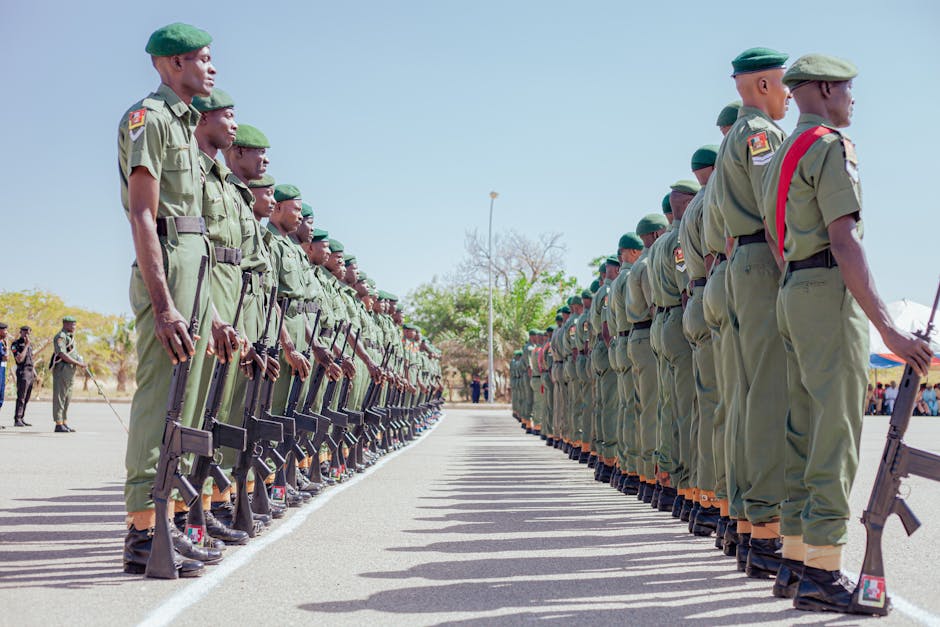
- Sudan’s Rapid Support Forces (RSF) have a history of human rights abuses dating back to their origins as the ‘Janjaweed’ militia.
- The RSF’s rise to prominence has significant implications for the region and understanding their role is crucial for resolving the crisis in Sudan.
- The RSF is led by Mohamed Hamdan Dagalo, also known as Hemeti, who has been instrumental in shaping the force’s strategy and operations.
- The RSF’s continued involvement in the conflict has led to further human suffering, with reports of civilians being caught in the crossfire.
- The international community is closely watching the RSF’s actions and their impact on the humanitarian situation in Sudan.
Sudan’s Rapid Support Forces (RSF) have emerged as a key player in the country’s ongoing conflict, with a history of violations dating back to their origins as the ‘Janjaweed’ militia. The RSF’s rise to prominence has significant implications for the region, and understanding their role is crucial for resolving the crisis. As the conflict continues to escalate, the international community is closely watching the RSF’s actions, and their impact on the humanitarian situation in Sudan.
The Origins of the RSF

The RSF’s history is marked by violence and human rights abuses, with their roots in the Janjaweed militia that terrorized Darfur in the early 2000s. According to Human Rights Watch, the Janjaweed were responsible for numerous atrocities, including massacres, rapes, and forced displacements. The RSF’s continued involvement in the conflict has led to further human suffering, with reports of civilians being caught in the crossfire and denied access to essential services.
The Key Players

The RSF is led by Mohamed Hamdan Dagalo, also known as Hemeti, who has been instrumental in shaping the force’s strategy and operations. Hemeti’s relationship with the Sudanese government is complex, and his loyalty has been questioned by some. Other key players, including the Sudanese military and rebel groups, are also vying for power and influence in the region. The BBC has reported on the intricate web of alliances and rivalries between these groups, highlighting the challenges of finding a peaceful resolution to the conflict.
The Human Cost

The conflict in Sudan has resulted in significant human suffering, with thousands of civilians displaced, injured, or killed. The RSF’s actions have exacerbated the crisis, and their involvement has led to further instability and violence. The humanitarian situation is dire, with reports of food and water shortages, and a lack of access to medical care. The World Health Organization has warned of the risks of disease outbreaks and malnutrition, particularly among vulnerable populations such as children and the elderly.
Timing and Escalation

The current escalation of the conflict in Sudan can be attributed to a combination of factors, including the RSF’s growing influence and the government’s response to their actions. The international community has called for restraint and dialogue, but the situation on the ground remains volatile. The Reuters news agency has reported on the diplomatic efforts underway to resolve the crisis, including talks between Sudanese officials and rebel leaders.
Where We Go From Here
Over the next 6-12 months, three possible scenarios could unfold: the conflict could escalate further, leading to increased human suffering and instability; the international community could successfully broker a peace agreement, leading to a reduction in violence and improved humanitarian access; or the RSF could consolidate their power, leading to a new era of authoritarian rule in Sudan. Each scenario has significant implications for the region and the international community, and it is essential to continue monitoring the situation closely.
In conclusion, the RSF’s rise to prominence in Sudan’s conflict has significant implications for the region and the international community. Their history of violations and human rights abuses makes them a force to be reckoned with, and their actions will continue to shape the course of the conflict. As the situation continues to unfold, it is essential to prioritize humanitarian access and protection of civilians, and to support efforts to find a peaceful and sustainable resolution to the crisis.
Source: Al Jazeera