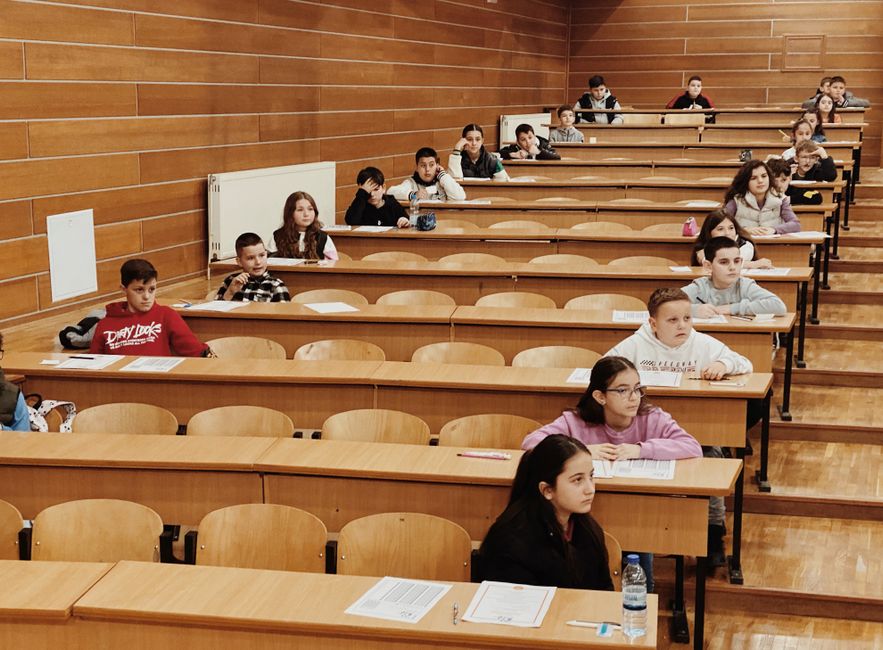
- India’s CBSE exam scandal has sparked widespread student protests, highlighting concerns over exam fairness and transparency.
- The scandal has led to a loss of credibility in India’s education system, affecting thousands of students across the country.
- Adequate infrastructure, resources, and management are crucial in preventing similar exam scandals in the future.
- The government’s response to the scandal has been perceived as inadequate and insensitive to student concerns.
- The CBSE exam scandal is a symptom of deeper systemic failures in India’s education system, requiring urgent reforms.
What sparked the recent wave of student protests in India, and why are they directing their outrage at Prime Minister Narendra Modi? The answer lies in the controversy surrounding the Central Board of Secondary Education (CBSE), India’s largest school board, which has been mired in scandals, including allegations of leakages and discrepancies in exam results, leading to widespread frustration among students and parents, and raising questions about the government’s handling of the education sector.
Understanding the CBSE Exam Scandal

The CBSE exam scandal has its roots in the leakages and discrepancies in exam results, which have affected thousands of students across the country. The scandal has led to a loss of credibility in the education system, with many students and parents questioning the fairness and transparency of the exam process. The issue has been further complicated by the government’s response, which has been perceived as inadequate and insensitive to the concerns of the students, thereby fueling the protests and demands for the resignation of the education minister.
Evidence of Systemic Failures

According to reports, the CBSE exam scandal is not an isolated incident, but rather a symptom of deeper systemic failures in the education system. Experts point to inadequate infrastructure, lack of resources, and inefficient management as some of the key factors contributing to the scandal. Furthermore, the investigations into the scandal have revealed a pattern of negligence and complacency among education officials, which has exacerbated the problem and eroded trust in the system.
Counter-Perspectives and Criticisms

While the student protests have gained widespread support, there are also counter-perspectives and criticisms that argue the protests are misguided and overly politicized. Some critics argue that the students are being manipulated by opposition parties and that the protests are an attempt to destabilize the government. Others point out that the education system is complex and that the problems cannot be solved overnight, and that the government needs time to implement reforms and address the systemic issues. However, these counter-perspectives have not dampened the resolve of the students, who remain determined to push for change and accountability.
Real-World Impact and Consequences

The CBSE exam scandal has significant real-world implications, not just for the students affected but also for the broader education system and the country’s economy. The scandal has already led to a loss of credibility in the Indian education system, which could have long-term consequences for the country’s competitiveness and growth. Furthermore, the protests have highlighted the need for urgent reforms and investments in the education sector, which could have a positive impact on the country’s human capital and economic development. As the situation continues to unfold, it is clear that the consequences of the scandal will be far-reaching and multifaceted.
What This Means For You
So, what can readers take away from this scandal? The key takeaway is that the CBSE exam scandal is not just a local issue, but a symptom of deeper systemic problems in the education system. As the protests and demands for change continue, it is essential to stay informed and engaged, and to push for accountability and transparency in the education sector. By doing so, readers can contribute to creating a more just and equitable education system that serves the needs of all students, regardless of their background or socio-economic status.
As the situation continues to evolve, one question remains: what will be the long-term impact of the CBSE exam scandal on India’s education system and its students? Will the government be able to address the systemic issues and restore credibility in the education system, or will the scandal lead to more profound changes and reforms? Only time will tell, but one thing is certain – the CBSE exam scandal has sparked a national conversation about the state of education in India, and it is a conversation that will continue to resonate in the days and weeks to come.
Source: Al Jazeera