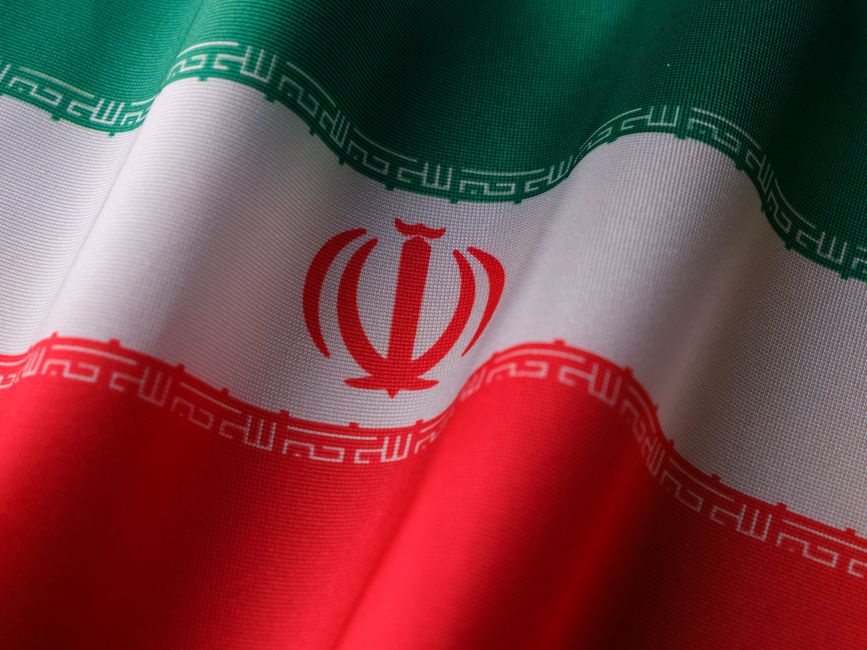
- The Iran conflict has escalated in recent weeks, with the US deepening its involvement in the region.
- The US is concerned about Iran’s nuclear program and its support for militant groups in the Middle East.
- Tensions between Iran and its neighboring countries, particularly Israel and Saudi Arabia, remain high.
- The US involvement in the region has significant implications for regional stability and global security.
- A wider conflict in the Middle East is a growing concern due to the complex web of alliances and rivalries.
The Iran conflict has surged in recent weeks, with the US deepening its involvement in the region by supporting Israel and Lebanon. As of June 3, 2026, the situation remains volatile, with escalating tensions between Iran and its neighboring countries. The US has reaffirmed its commitment to supporting its allies in the region, citing concerns over Iran’s nuclear program and its support for militant groups. This development matters now because it has significant implications for regional stability and global security.
Background and Context

The current conflict has its roots in longstanding tensions between Iran and its neighbors, particularly Israel and Saudi Arabia. The US has historically been a key player in the region, providing military and economic support to its allies. However, the recent escalation of tensions has raised concerns over the potential for a wider conflict. The US involvement in the region is also driven by its desire to contain Iran’s nuclear program and limit its influence in the Middle East. As the situation continues to unfold, it is essential to understand the complex web of alliances and rivalries that shape the region’s dynamics.
Key Developments and Players

The latest developments in the conflict have seen the US providing military aid to Israel and Lebanon, while also conducting diplomatic efforts to de-escalate the situation. Iran, on the other hand, has continued to support militant groups in the region, including Hezbollah in Lebanon. The Israeli government has welcomed the US support, while the Lebanese government has expressed concerns over the potential for a wider conflict. The US Secretary of State has stated that the US is committed to supporting its allies in the region, while also seeking a diplomatic solution to the conflict. For more information on the conflict, see the latest updates from the New York Times.
Analysis and Implications

Analysts have warned that the current escalation of tensions could have significant implications for regional stability and global security. The conflict has the potential to draw in other countries, including Saudi Arabia and Turkey, and could lead to a wider conflict in the Middle East. The US involvement in the region has also raised concerns over the potential for a proxy war between the US and Iran. According to experts, the conflict is driven by a complex mix of factors, including geopolitical rivalries, sectarian tensions, and competing interests. The BBC has reported that the conflict has already had significant humanitarian consequences, with thousands of civilians displaced and hundreds killed.
Humanitarian Consequences

The conflict has had a devastating impact on civilians in the region, with thousands displaced and hundreds killed. The humanitarian situation is likely to worsen if the conflict escalates further, with aid agencies warning of a potential catastrophe. The US and its allies have faced criticism for their role in the conflict, with some arguing that their actions have exacerbated the humanitarian crisis. The international community has called for a ceasefire and a diplomatic solution to the conflict, but a lasting resolution remains elusive.
Expert Perspectives
Experts have offered contrasting viewpoints on the conflict, with some arguing that the US involvement is necessary to contain Iran’s influence in the region, while others have warned that it could lead to a wider conflict. According to Dr. Sanam Vakil, a Middle East expert at Chatham House, the US needs to adopt a more nuanced approach to the conflict, one that takes into account the complex web of alliances and rivalries in the region. On the other hand, Dr. Michael Rubin, a resident scholar at the American Enterprise Institute, has argued that the US needs to take a more assertive approach to containing Iran’s influence in the region.
As the situation continues to unfold, it is essential to watch for further developments in the region, including potential diplomatic efforts to de-escalate the situation. The international community will be closely monitoring the situation, and a lasting resolution to the conflict remains a pressing concern. One key question that remains is whether the US and its allies can find a diplomatic solution to the conflict, or whether the situation will continue to escalate, with potentially catastrophic consequences for the region and the world.
Source: The New York Times