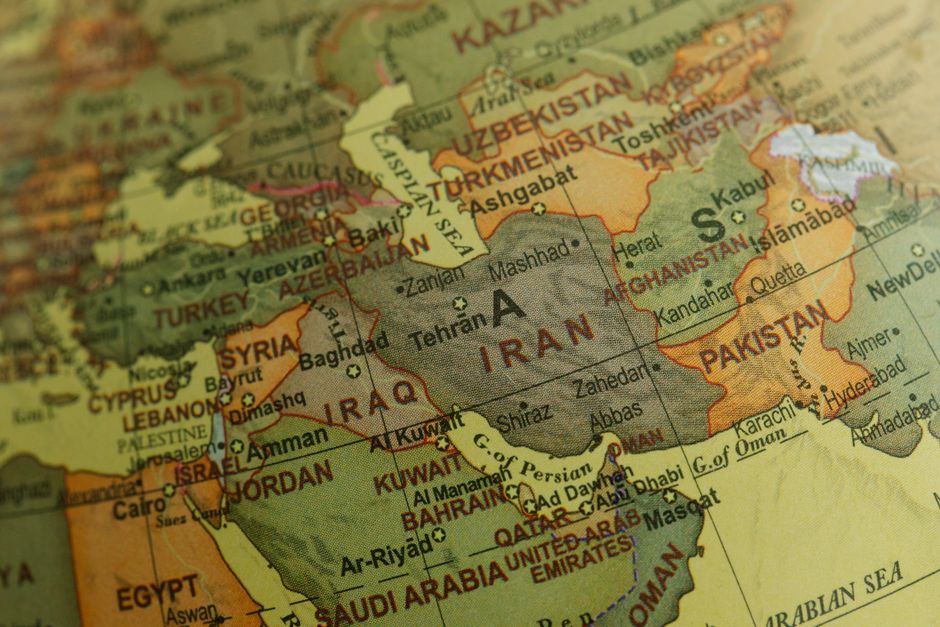
- The US-Israel conflict with Iran may alter the Middle East’s geopolitical landscape, but geography, the Israeli-Palestinian conflict, and national identities will remain unchanged.
- The region’s geography, including deserts, mountains, and coastlines, has been a defining feature and will continue to shape interactions between nations.
- The war’s outcome will have far-reaching consequences, but these enduring realities will continue to influence the region’s dynamics.
- The proximity of Iran to the Strait of Hormuz will remain a source of tension, impacting oil shipping and regional power balances.
- Understanding the region’s geography is crucial to predicting the war’s outcome and the subsequent balance of power.
The ongoing US-Israel war on Iran is set to significantly alter the Middle East’s geopolitical landscape, with shifting alliances and power balances emerging in its wake. However, despite these changes, certain fundamental aspects of the region will remain unchanged, including its geography, the Israeli-Palestinian conflict, and the political identity of its nations. The war’s outcome will undoubtedly have far-reaching consequences, but these enduring realities will continue to shape the region’s dynamics. As the conflict unfolds, it is essential to consider what will remain unchanged in the Middle East, and why these factors matter.
Geography and Its Lasting Impact

The Middle East’s geography has long been a defining feature of the region, with its unique combination of deserts, mountains, and coastlines influencing the course of history. The war between the US, Israel, and Iran will not change the region’s geography, which has been a constant factor in shaping the interactions between nations. The proximity of Iran to the Strait of Hormuz, a critical oil shipping lane, will continue to be a source of tension, while the mountainous terrain of countries like Afghanistan and Yemen will remain a challenge for military operations. As the region’s geography continues to exert its influence, it is crucial to understand how it will affect the war’s outcome and the subsequent balance of power.
Political Identity and Nationalism

The political identity of Middle Eastern nations is another aspect that will endure despite the war. The region is home to a diverse array of ethnic and religious groups, each with their own distinct identity and sense of nationalism. These identities have been shaped by centuries of history, culture, and conflict, and will not be altered by the outcome of the war. In fact, the conflict may even strengthen nationalist sentiments, as nations rally behind their flags and leaders. As the region navigates this complex web of identities, it is essential to consider how they will interact and influence one another in the post-war landscape. Nationalist movements have long been a driving force in the Middle East, and their impact will be felt for years to come.
Key Players and Alliances

The US-Israel war on Iran has already led to a significant shift in alliances, with countries like Saudi Arabia and the United Arab Emirates drawing closer to the US and Israel. However, despite these changes, the fundamental dynamics of the region will remain in place. The Israeli-Palestinian conflict, a longstanding and deeply entrenched issue, will continue to be a source of tension and instability. The war may even exacerbate the conflict, as Israel seeks to consolidate its position and Palestine pushes for greater recognition. As the region’s players navigate this complex landscape, it is crucial to understand the motivations and interests of each nation, and how they will interact in the post-war environment. Regional alliances will continue to evolve, but the underlying issues driving these alliances will remain unchanged.
Analysis and Implications

The war between the US, Israel, and Iran will have far-reaching implications for the Middle East, from the potential for further conflict to the impact on regional economies. However, despite these changes, the region’s enduring realities will continue to shape its dynamics. The war may lead to a temporary shift in the balance of power, but the underlying geography, political identity, and nationalist sentiments will remain in place. As the region navigates this complex landscape, it is essential to consider the potential consequences of the war, and how they will affect the daily lives of citizens. The humanitarian impact of the conflict shouldn’t be overlooked, as civilians bear the brunt of the war.
Expert Perspectives
Experts are divided on the potential outcome of the war, with some predicting a lasting shift in the regional balance of power, while others see the conflict as a temporary aberration. According to Dr. Sanam Vakil, deputy director of the Middle East and North Africa programme at Chatham House, “the war will have significant implications for the region, but it is unlikely to change the underlying dynamics.” In contrast, Dr. Trita Parsi, founder of the National Iranian American Council, argues that “the conflict has the potential to reshape the region’s alliances and create new opportunities for cooperation.” As the war continues to unfold, it is essential to consider these differing perspectives, and how they might shape the region’s future.
Looking ahead, the key question is what the post-war landscape will look like, and how the region’s enduring realities will shape its dynamics. Will the war lead to a lasting shift in the balance of power, or will the region’s fundamental dynamics remain unchanged? As the conflict continues to unfold, it is essential to watch for signs of how the region’s nations will interact, and how the war’s outcome will affect the daily lives of citizens. The regional media will play a crucial role in shaping the narrative, as the world seeks to understand the implications of the war.
Source: Al Jazeera