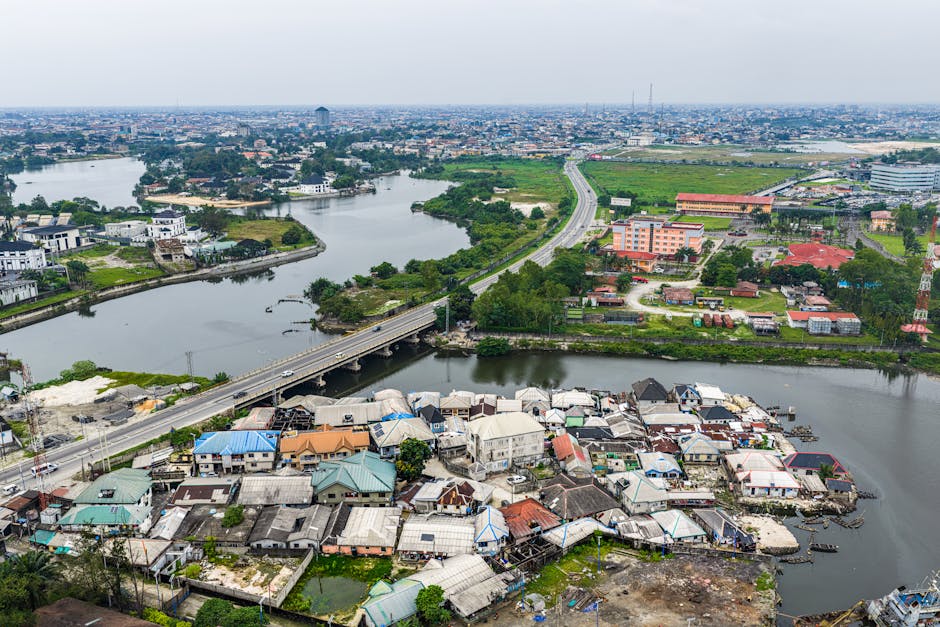
- BBC investigations revealed Shell continued operating a Nigerian pipeline despite knowing about extensive pollution since 2010.
- The Niger Delta pipeline’s operation has caused significant environmental damage, impacting water sources and local ecosystems.
- Internal Shell documents detail awareness of the pollution, raising questions about the company’s environmental responsibility.
- Local communities in the Niger Delta face health problems and economic hardship due to oil spills and contamination.
- Shell cites challenging operating conditions as a reason for continuing pipeline operations despite documented pollution issues.
Royal Dutch Shell, the multinational oil and gas company, has been accused of pumping oil through a pipeline in Nigeria for years despite having evidence of widespread pollution, according to documents obtained by the BBC. The pipeline, which runs through the Niger Delta, has been the source of significant environmental damage, with locals complaining of oil spills and contamination of water sources. The documents, which date back to 2010, show that Shell was aware of the pollution but continued to operate the pipeline, highlighting the complex and often contentious relationship between the company and the Nigerian government.
Background of the Pollution

The Niger Delta, where the pipeline is located, is a region of immense environmental importance, with vast wetlands and diverse wildlife. However, it has also been plagued by decades of oil pollution, which has had a devastating impact on local communities. The pollution has been linked to a range of health problems, including cancer and respiratory diseases, and has also damaged the local economy, which is heavily reliant on fishing and farming. Despite the evidence of pollution, Shell has continued to operate in the region, often citing the challenges of working in a complex and difficult environment.
Key Details of the Documents

The documents, which include internal emails and reports, show that Shell was aware of the pollution in the pipeline as early as 2010. The company’s own inspections revealed significant damage to the pipeline, including cracks and corrosion, which were likely to have caused the oil spills. However, despite this knowledge, Shell continued to pump oil through the pipeline, with the company’s engineers and managers seemingly prioritizing production over environmental concerns. The documents also suggest that Shell may have underestimated the extent of the pollution, with the company’s estimates of oil spills often lower than those reported by local communities and environmental groups.
Analysis of the Pollution Evidence

The evidence of pollution in the pipeline is damning, with experts suggesting that Shell’s actions may have been reckless and irresponsible. The company’s decision to continue operating the pipeline despite knowing about the pollution has been criticized by environmental groups, who argue that Shell has a responsibility to protect the environment and local communities. The Nigerian government has also been criticized for its handling of the situation, with some accusing the authorities of being too close to the oil industry and failing to regulate it effectively. The data on the pollution is clear, with studies showing that the oil spills have had a significant impact on the local environment and communities.
Implications of the Pollution

The implications of the pollution are far-reaching, with local communities likely to suffer for generations to come. The pollution has already had a significant impact on the local economy, with fishing and farming industries severely affected. The health impacts are also likely to be significant, with locals at risk of cancer, respiratory diseases, and other health problems. The situation has also raised questions about the accountability of multinational companies like Shell, which often operate in complex and difficult environments. The company’s actions have been criticized by experts, who argue that Shell has a responsibility to prioritize environmental and social concerns over profits.
Expert Perspectives
Experts have expressed concern over Shell’s actions, with many arguing that the company has failed to prioritize environmental and social concerns. “The evidence of pollution in the pipeline is clear, and it’s unacceptable that Shell continued to operate despite knowing about the damage,” said one expert. “The company has a responsibility to protect the environment and local communities, and it’s clear that they have failed to do so.” Others have highlighted the need for greater regulation and oversight of the oil industry, arguing that companies like Shell must be held accountable for their actions.
Looking forward, it’s clear that the situation in the Niger Delta will require significant attention and investment to resolve. The Nigerian government must take a stronger stance on regulating the oil industry, and companies like Shell must prioritize environmental and social concerns. The international community also has a role to play, with experts arguing that greater support is needed to help local communities affected by the pollution. As the situation continues to unfold, one thing is clear: the people of the Niger Delta deserve justice and compensation for the damage that has been done to their environment and their lives. For more information on the Niger Delta and the impact of oil pollution, visit the Niger Delta page on Wikipedia or the BBC’s Africa page.
Source: BBC