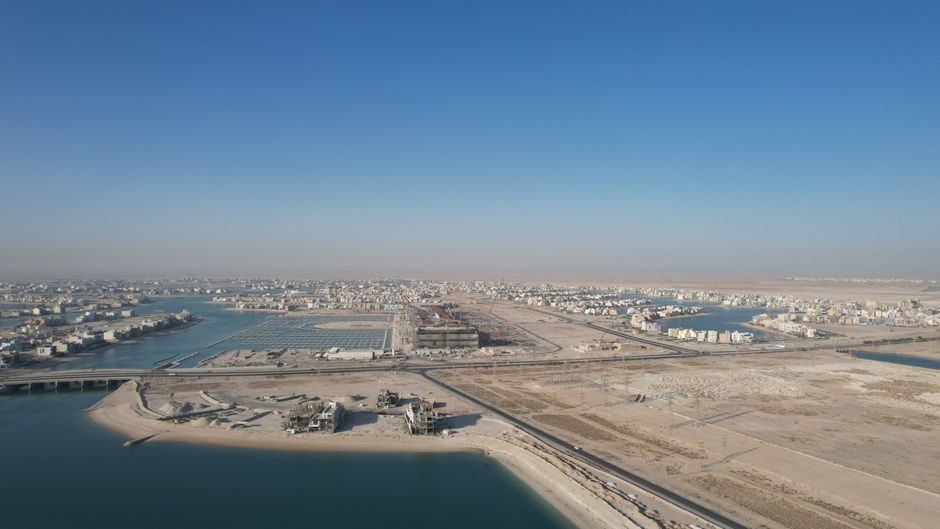
- A drone strike, attributed to Iran, has severely damaged Kuwait’s international airport, suspending all air traffic.
- This attack represents a significant escalation in the ongoing conflict between the United States and Iran.
- Kuwait, a key US ally in the Gulf region, was directly targeted, highlighting the widening scope of the conflict.
- The current crisis stems from long-standing disagreements regarding Iran’s nuclear program and regional influence.
- The incident raises serious concerns about regional stability and global security, drawing international attention.
The United States and Iran have launched new strikes against each other, with Kuwait’s international airport being severely damaged by Iranian drones, prompting the suspension of air traffic. The attack on Kuwait’s airport marks a significant escalation in the conflict between the US and Iran, with the Gulf state being a key US ally in the region. The incident occurred amidst a backdrop of rising tensions, with both sides engaging in a series of retaliatory strikes. The development has significant implications for regional stability and global security, with the international community watching closely as the situation unfolds.
Background to the Conflict

The current crisis between the US and Iran has its roots in a long-standing dispute over nuclear proliferation and regional influence. The US has been seeking to curb Iran’s nuclear ambitions, while Tehran has been pushing back against what it sees as American interference in its internal affairs. The situation has been further complicated by the presence of US troops in the region, which Iran views as a threat to its security. The conflict has been simmering for months, with both sides engaging in a war of words and occasional skirmishes. However, the recent exchange of strikes marks a significant escalation, with the potential for further violence and destabilization in the region.
Key Details of the Attack

According to reports, the Iranian drones struck Kuwait’s international airport, causing significant damage to the facility and disrupting air traffic. The attack is believed to have been carried out in retaliation for US strikes against Iranian targets, which Tehran views as an act of aggression. The Kuwaiti government has condemned the attack, calling it a blatant violation of its sovereignty and territorial integrity. The US has also denounced the attack, with officials vowing to take all necessary measures to protect its allies in the region. The incident has raised concerns about the safety of air travel in the region, with several airlines suspending flights to Kuwait until further notice.
Analysis of the Situation

The exchange of strikes between the US and Iran has significant implications for regional stability and global security. The conflict has the potential to draw in other countries, including Saudi Arabia and Israel, which could further escalate the situation. The use of drones in the attack on Kuwait’s airport also raises concerns about the proliferation of unmanned aerial vehicles (UAVs) in the region, which could be used by other countries or non-state actors to carry out similar attacks. According to experts, the situation is likely to remain volatile in the coming days, with both sides engaging in a series of retaliatory strikes. The international community is watching the situation closely, with diplomats urging restraint and calling for a peaceful resolution to the conflict.
Implications of the Conflict

The conflict between the US and Iran has significant implications for the people of Kuwait, who are likely to be affected by the disruption to air travel and the potential for further violence. The attack on the airport has also raised concerns about the safety of foreign workers in the country, who may be targeted by Iranian-backed militias. The conflict also has implications for the global economy, with the potential for disruption to oil supplies and trade routes. According to analysts, the conflict could lead to a significant increase in oil prices, which could have a devastating impact on the global economy.
Expert Perspectives
Experts are divided on the implications of the conflict, with some arguing that it marks a significant escalation in the region, while others believe that it is a temporary blip. According to Dr. Sanam Vakil, a Middle East expert at Chatham House, the conflict has the potential to draw in other countries and escalate into a full-scale war. However, others argue that the situation is likely to remain contained, with both sides engaging in a series of retaliatory strikes but ultimately seeking a peaceful resolution.
As the situation continues to unfold, it remains to be seen how the conflict will play out. One thing is certain, however: the international community will be watching closely, with diplomats urging restraint and calling for a peaceful resolution to the conflict. The coming days will be crucial in determining the trajectory of the conflict, with the potential for further violence and destabilization in the region. As the Associated Press reports, the situation is likely to remain volatile, with both sides engaging in a series of retaliatory strikes.
Source: BBC