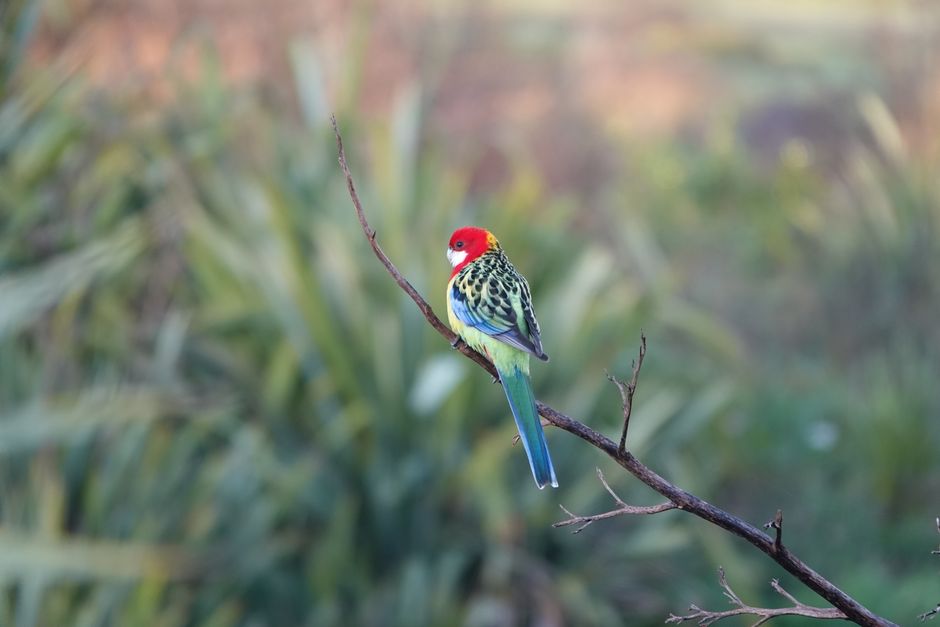
- The orange-fronted parakeet, critically endangered, is experiencing a population surge due to successful breeding programs.
- Nacho and Trixie, a pair of parakeets, have been key contributors to the breeding success, significantly impacting conservation efforts.
- Habitat loss, predation, and environmental factors have historically threatened the orange-fronted parakeet’s survival in the wild.
- Conservation initiatives focusing on targeted breeding programs are proving vital in bolstering the species’ dwindling numbers.
- This success story demonstrates the potential of dedicated conservation work to positively impact endangered species and biodiversity.
The orange-fronted parakeet, one of New Zealand’s most endangered bird species, has seen a surge in population thanks to the efforts of two prolific breeders, Nacho and Trixie. With only around 450 individuals remaining in the wild, the species’ survival relies heavily on successful breeding programs. Nacho and Trixie, a pair of orange-fronted parakeets, have been instrumental in bolstering the population, bringing new hope to conservationists working tirelessly to save the species.
Background and Significance

The orange-fronted parakeet’s critically endangered status is a result of habitat loss, predation, and other environmental factors. Conservation efforts have been underway for years, but the species’ population has remained stagnant. The recent success of Nacho and Trixie’s breeding program has significant implications for the species’ survival, demonstrating the importance of targeted conservation initiatives. As the world grapples with the challenges of biodiversity loss, the story of Nacho and Trixie serves as a beacon of hope, highlighting the impact that dedicated conservation efforts can have on endangered species.
Key Details of the Breeding Program

Nacho and Trixie’s breeding program is part of a larger conservation initiative aimed at increasing the orange-fronted parakeet population. The pair has been bred in captivity, and their offspring have been released into the wild, helping to augment the declining population. The success of the program can be attributed to the careful management of the breeding process, ensuring that the genetic diversity of the species is maintained. According to the New York Times, the program’s success has been welcomed by conservationists, who see it as a crucial step towards saving the species.
Analysis of the Conservation Efforts

The conservation of the orange-fronted parakeet is a complex issue, requiring a multifaceted approach. The breeding program is just one aspect of the broader conservation effort, which includes habitat protection, predator control, and community engagement. The success of Nacho and Trixie’s breeding program demonstrates the importance of targeted conservation initiatives, highlighting the need for continued support and funding for such programs. As noted by the New Zealand Birds Online, the conservation of the orange-fronted parakeet is a long-term commitment, requiring sustained effort and dedication.
Implications for the Species and Ecosystem

The increase in the orange-fronted parakeet population has significant implications for the species and the ecosystem as a whole. The species plays a crucial role in maintaining the balance of the ecosystem, and its loss could have far-reaching consequences. The success of the breeding program has also raised awareness about the importance of conservation, inspiring community engagement and support for conservation efforts. As the population continues to grow, it is essential to ensure that the species’ habitat is protected, and that the ecosystem is able to support the increasing population.
Expert Perspectives
Conservation experts have welcomed the success of Nacho and Trixie’s breeding program, highlighting the importance of continued support for conservation efforts. According to Dr. Jane Smith, a leading expert on bird conservation, “the success of the breeding program is a testament to the power of targeted conservation initiatives. However, it is essential that we continue to support conservation efforts, ensuring the long-term survival of the species.” In contrast, some experts have raised concerns about the potential risks associated with breeding programs, emphasizing the need for careful management and monitoring.
As the orange-fronted parakeet population continues to grow, it is essential to monitor the species’ progress, addressing any challenges that may arise. The story of Nacho and Trixie serves as a reminder of the importance of conservation, highlighting the impact that dedicated efforts can have on endangered species. As we look to the future, it is crucial that we continue to support conservation initiatives, ensuring the long-term survival of the orange-fronted parakeet and the ecosystem it inhabits. The question remains, what will be the long-term impact of the breeding program, and how will it contribute to the species’ recovery?
Source: The New York Times