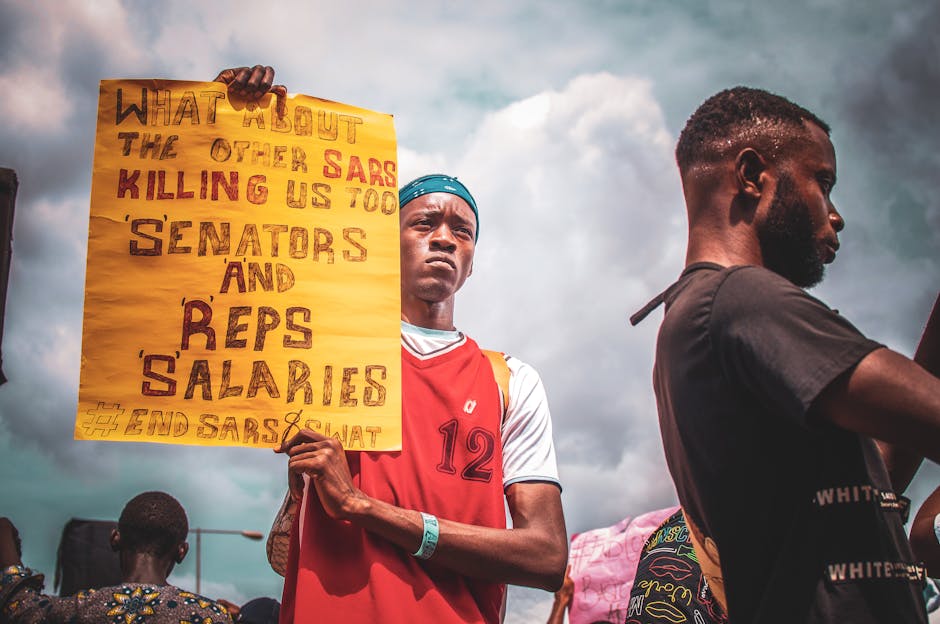
- Kenyan protests against the US Ebola quarantine centre have turned violent, resulting in two deaths and several injuries.
- The proposed treatment facility has sparked widespread public anger, highlighting the challenges in balancing public health concerns with community fears and mistrust.
- The US government, in collaboration with local authorities, has been met with resistance from local communities over the potential risks associated with the quarantine centre.
- Local leaders and health officials have been unable to address concerns, leading to renewed demands to scrap the quarantine plan.
- The unrest highlights the complexities of implementing public health measures in communities with existing mistrust and fear.
Violent protests have erupted in Kenya over a US plan to build an Ebola quarantine centre, resulting in the deaths of two people. The proposed treatment facility, intended to combat the spread of the deadly Ebola virus, has sparked widespread public anger and led to demonstrations near the site. The unrest highlights the challenges faced by authorities in balancing public health concerns with community fears and mistrust.
Evidence of Public Resistance

According to reports from the scene, hundreds of protesters gathered near the proposed site, expressing their opposition to the US plan. The demonstrations turned violent, with clashes between protesters and security forces resulting in the deaths of two people and injuring several others. Primary sources, including BBC News, confirm that the protests have been driven by concerns over the potential risks associated with the quarantine centre.
Key Players and Their Roles

The US government, in collaboration with local authorities, has been instrumental in proposing the Ebola quarantine centre. However, the plan has been met with resistance from local communities, who fear the potential risks associated with the facility. Recent moves by the US government to address these concerns have been unsuccessful, with protesters demanding that the plan be scrapped. Key actors, including local leaders and health officials, have been attempting to mediate the situation and find a resolution.
Trade-Offs and Concerns

The proposed Ebola quarantine centre has sparked a debate over the trade-offs between public health concerns and community fears. While the facility is intended to combat the spread of the deadly Ebola virus, it also poses potential risks to local communities. The costs associated with the facility, including the risk of infection and the potential for violence, must be weighed against the benefits of providing a secure treatment centre. As WHO guidelines emphasize, community engagement and participation are crucial in addressing public health concerns.
Timing and Context

The protests in Kenya come at a time when the Ebola virus continues to pose a significant threat to global health security. The proposed quarantine centre is part of a broader effort to combat the spread of the virus, which has resulted in thousands of deaths in recent years. The timing of the protests highlights the need for authorities to address community concerns and engage in meaningful dialogue with local leaders and stakeholders.
Where We Go From Here
Looking ahead, three scenarios are possible: the US government and local authorities may succeed in addressing community concerns and finding a resolution, the protests may escalate, leading to further violence and instability, or the plan may be scrapped, resulting in a loss of critical public health infrastructure. As the situation unfolds, it is essential to prioritize community engagement and participation, ensuring that the concerns of local stakeholders are addressed and that public health concerns are balanced with community fears.
Bottom line: the deadly protests in Kenya over the US Ebola quarantine centre plan highlight the need for authorities to prioritize community engagement and address public health concerns in a balanced and sustainable manner.
Source: BBC