- Cuba’s economic crisis is driven by a combination of factors, including dependence on Venezuelan oil and US sanctions.
- The COVID-19 pandemic has decimated Cuba’s tourism industry, a key source of revenue.
- The Cuban government is facing increasing pressure to reform the economy and improve living standards.
- US sanctions have significantly impacted Cuba’s access to international trade and finance.
- Cuba’s collapse could force the US to confront the consequences of its actions on the island nation.
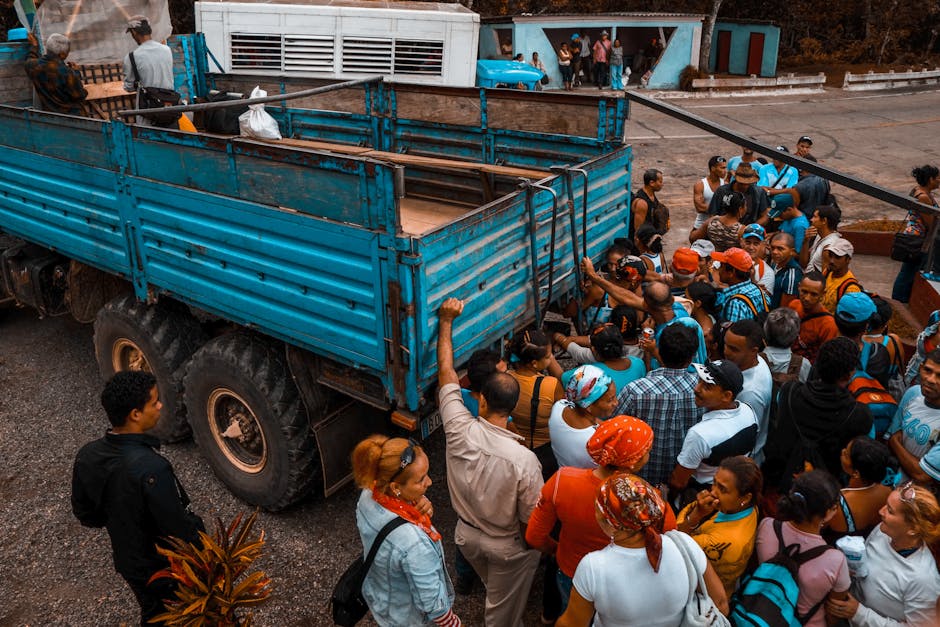
Cuba is on the verge of collapse, with widespread power cuts, large queues for basic necessities like bread and fuel, and a severe shortage of food and other essential supplies. The situation has deteriorated significantly over the past few months, with state-run grocery stores virtually empty and mounting piles of rubbish on street corners. As the island nation teeters on the brink of disaster, the US may be forced to confront the consequences of its actions, including the tightening of economic sanctions under the Trump administration.
Cuba’s Economic Crisis: A Perfect Storm

The current economic crisis in Cuba is the result of a combination of factors, including the country’s dependence on Venezuelan oil, the decline of its sugar industry, and the impact of US sanctions. The situation has been exacerbated by the COVID-19 pandemic, which has decimated the island’s tourism industry, a key source of revenue. With the economy in free fall, Cubans are struggling to access basic necessities, and the government is facing increasing pressure to reform the economy and improve living standards.
US Policy and the Cuba Conundrum

The US has long been a major player in Cuba’s economic fortunes, with the embargo imposed in 1960 having a significant impact on the island’s economy. The Trump administration’s decision to tighten sanctions has further restricted Cuba’s access to international trade and finance, making it even harder for the government to manage the economy. As Cuba’s economic situation continues to deteriorate, the US may be forced to reconsider its policy and engage with the island nation to prevent a humanitarian crisis and promote stability in the region.
Humanitarian Crisis Looms

The humanitarian implications of a Cuban collapse are severe, with the potential for widespread poverty, hunger, and disease. The international community, including the US, may be forced to intervene to provide emergency aid and support to the Cuban people. The crisis also has regional implications, with the potential for a mass migration of Cubans to the US and other neighboring countries. As the situation continues to deteriorate, the US and other international actors must consider the potential consequences of inaction and develop a strategy to mitigate the humanitarian and regional impacts of a Cuban collapse.
Expert Perspectives

Experts are divided on the best course of action for the US and the international community, with some arguing that engagement and dialogue with the Cuban government are essential to preventing a humanitarian crisis. Others argue that the US should maintain its tough stance on Cuba, citing concerns about human rights and democracy. According to BBC News, the Cuban government has faced criticism for its handling of the economic crisis, with many Cubans taking to the streets to protest against the government’s policies.
As the situation in Cuba continues to deteriorate, the US and the international community must consider the potential consequences of their actions. With the potential for a humanitarian crisis and regional instability, it is essential that policymakers develop a strategy to address the crisis and promote stability in the region. As noted by Reuters, the US has a significant role to play in shaping the outcome of the crisis, and its actions will have far-reaching implications for the people of Cuba and the wider region.
Source: News