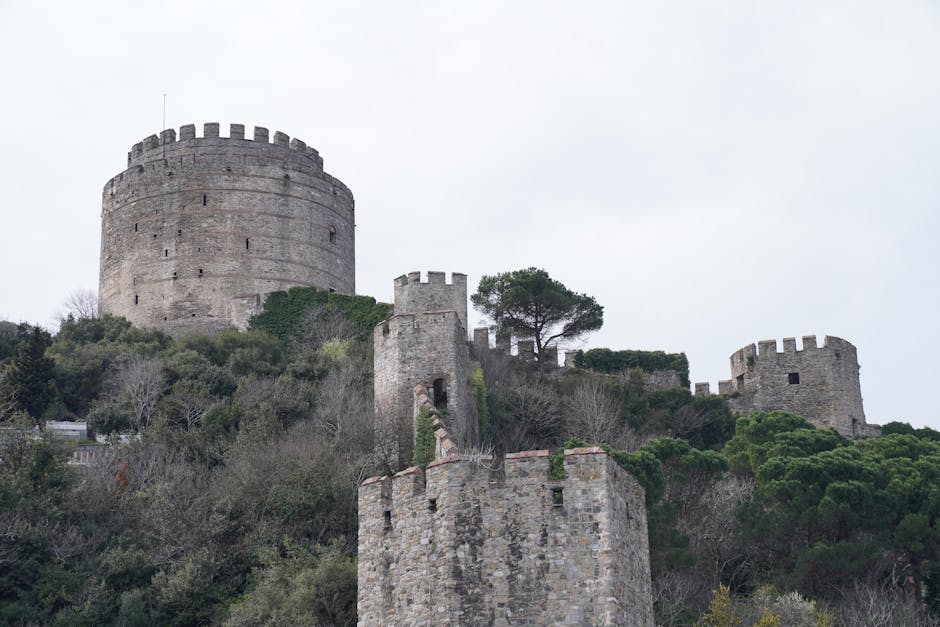
- Israel’s capture of a Crusades-era fortress in Lebanon marks its deepest incursion into the country in over 25 years.
- The strategically important fortress provides a vantage point for monitoring and controlling the surrounding area, making it a valuable asset for any military force.
- The move is part of Israel’s expanding offensive in the region, raising concerns about the potential for further conflict.
- The capture of the fortress demonstrates Israel’s ability to penetrate deep into Lebanese territory, showing its military strength.
- The development may have significant consequences for the region’s stability and security, with implications for the balance of power.
What are the implications of Israel’s seizure of a Crusades-era fortress in Lebanon, and why does it matter now? Israeli forces have captured the strategically important fortress, marking the country’s deepest incursion into Lebanon in more than a quarter of a century. The move is part of Israel’s expanding offensive in the region, which has raised concerns about the potential for further conflict. As the situation continues to unfold, readers should care about the developments because they could have significant consequences for the region’s stability and security.
Understanding the Significance of the Fortress

The fortress, which dates back to the Crusades, is a key location due to its strategic importance. It provides a vantage point for monitoring and controlling the surrounding area, making it a valuable asset for any military force. The capture of the fortress by Israeli forces is a significant development, as it demonstrates their ability to penetrate deep into Lebanese territory. This move is likely to be seen as a show of strength by Israel, and it may have implications for the balance of power in the region. The Crusades were a series of religious wars fought between Christians and Muslims, and the fortress is a reminder of the complex history of the region.
Examining the Evidence and Reactions

According to reports, Israeli forces have been engaged in a series of operations in Lebanon, and the capture of the fortress is the latest development in this campaign. The Israeli military has stated that the operation is aimed at targeting Hezbollah militants in the region. However, the move has been met with concern by other countries, including the United Nations, which has called for restraint and calm. The situation is complex, with multiple parties involved, and the potential for further escalation is high.
Considering Alternative Perspectives

Not everyone agrees that the capture of the fortress is a significant development, and some have questioned the motivations behind Israel’s actions. Some analysts have suggested that the move is a distraction from other issues, such as the Israeli-Palestinian conflict. Others have argued that the capture of the fortress is a necessary step to protect Israeli security interests. However, these alternative perspectives do not change the fact that the situation in Lebanon is complex and multifaceted, and that the capture of the fortress has the potential to exacerbate tensions in the region.
Assessing the Real-World Impact

The capture of the fortress has already had concrete consequences, including the displacement of civilians and the destruction of infrastructure. The situation on the ground is fluid, and the potential for further violence is high. The World Health Organization has expressed concern about the humanitarian impact of the conflict, and the need for all parties to respect international humanitarian law. As the situation continues to unfold, it is essential to consider the potential consequences for the people of Lebanon and the wider region.
What This Means For You
The capture of the Crusades-era fortress in Lebanon is a significant development that has the potential to impact the region’s stability and security. For readers, it is essential to stay informed about the situation and to consider the potential consequences of the conflict. The situation is complex, and there are multiple perspectives and interests at play. However, by understanding the significance of the fortress and the implications of the capture, readers can better navigate the complex landscape of the region.
What will be the long-term consequences of Israel’s seizure of the Crusades-era fortress in Lebanon, and how will the situation continue to evolve in the coming weeks and months? As the situation continues to unfold, it is essential to consider the potential implications for the region and the world. The capture of the fortress is a reminder of the complex history and politics of the region, and the need for a nuanced and informed understanding of the issues at play. For more information, readers can visit the New York Times or the Guardian for in-depth coverage of the situation.
Source: News