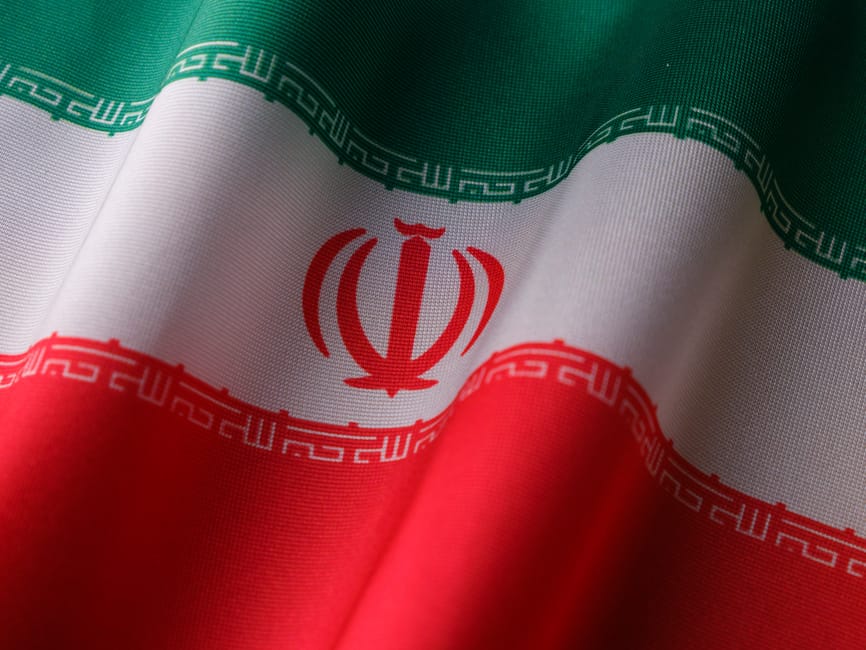
- Israel and Iran have stepped back from threats after a day of heightened tension, easing the likelihood of a wider conflict.
- The US played a key role in diplomatic efforts to reduce tensions between Israel and Iran.
- President Trump announced on social media that Israel and Hezbollah had ‘agreed’ not to attack each other.
- The easing of tensions reduces the likelihood of a wider conflict in the region.
- The US has imposed sanctions on Iran and engaged in diplomatic efforts to persuade the nation to abandon its nuclear program.
Israel and Iran have stepped back from threats after a day of heightened tension, with President Trump announcing on social media that Israel and Hezbollah had “agreed” not to attack each other. The development comes after a series of exchanges between the two nations, which had raised concerns of a potential escalation. The easing of tensions is a significant development, as it reduces the likelihood of a wider conflict in the region. The US has been involved in diplomatic efforts to reduce tensions between Israel and Iran, with President Trump playing a key role in the negotiations.
Background to the Tensions

The tensions between Israel and Iran have been ongoing for several years, with the two nations engaging in a series of proxy wars and diplomatic confrontations. The conflict has been fueled by a range of factors, including Iran’s support for Hezbollah and other militant groups, as well as Israel’s concerns about Iran’s nuclear program. The US has been involved in efforts to reduce tensions between the two nations, with President Trump imposing sanctions on Iran and engaging in diplomatic efforts to persuade the nation to abandon its nuclear program. Despite these efforts, the tensions between Israel and Iran have continued to escalate, with the two nations engaging in a series of military exchanges and diplomatic confrontations.
Key Details of the Agreement

The agreement between Israel and Hezbollah, as announced by President Trump, is a significant development in the region. According to reports, the agreement involves a commitment from both sides not to engage in military action against each other, at least for the time being. The agreement is seen as a major achievement for the US, which has been working to reduce tensions between Israel and Iran. However, it is unclear how long the agreement will last, as both sides have a history of violating ceasefires and engaging in military action against each other. Prime Minister Benjamin Netanyahu has distanced himself from talks of a ceasefire in Lebanon, suggesting that the agreement may not be as comprehensive as initially thought.
Analysis of the Situation

The easing of tensions between Israel and Iran is a significant development, but it is unlikely to mark a lasting resolution to the conflict. The two nations have a long history of tensions, and there are a range of factors that could lead to a future escalation. These include Iran’s support for militant groups, Israel’s concerns about Iran’s nuclear program, and the ongoing conflict in Syria. Despite these challenges, the agreement between Israel and Hezbollah is a positive development, as it reduces the likelihood of a wider conflict in the region. The US will likely continue to play a key role in diplomatic efforts to reduce tensions between the two nations, with President Trump seeking to build on the momentum of the recent agreement.
Implications of the Agreement

The implications of the agreement between Israel and Hezbollah are significant, both for the region and for the wider world. The agreement reduces the likelihood of a wider conflict in the region, which could have had major consequences for global stability and security. It also marks a significant achievement for the US, which has been working to reduce tensions between Israel and Iran. However, the agreement is unlikely to have a major impact on the underlying issues driving the conflict, including Iran’s support for militant groups and Israel’s concerns about Iran’s nuclear program. As such, it is likely that tensions will continue to simmer in the region, with the potential for future escalations.
Expert Perspectives
Experts have welcomed the agreement between Israel and Hezbollah, but have cautioned that it is unlikely to mark a lasting resolution to the conflict. According to reports, the agreement is seen as a major achievement for the US, but it is unclear how long it will last. Some experts have suggested that the agreement could be a precursor to further diplomatic efforts, including negotiations on a comprehensive peace agreement. Others have cautioned that the agreement is unlikely to have a major impact on the underlying issues driving the conflict, and that tensions will continue to simmer in the region.
Looking to the future, it is unclear what will happen next in the region. The agreement between Israel and Hezbollah is a positive development, but it is unlikely to mark a lasting resolution to the conflict. The US will likely continue to play a key role in diplomatic efforts to reduce tensions between the two nations, with President Trump seeking to build on the momentum of the recent agreement. As such, it will be important to watch for further developments in the region, including any potential escalations or diplomatic breakthroughs. For more information on the conflict, see this article.
Source: The New York Times