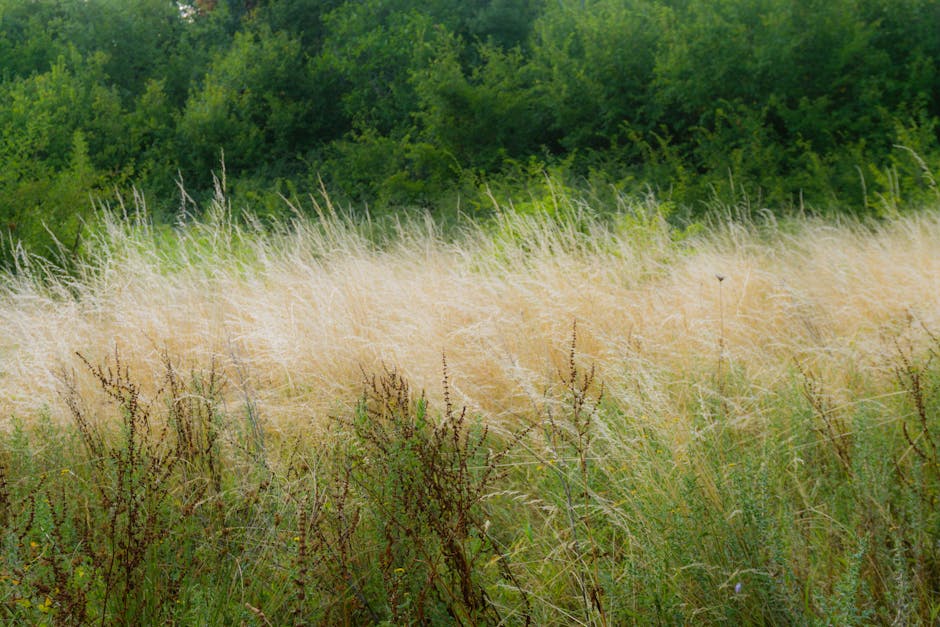
- Robin Wall Kimmerer’s Braiding Sweetgrass explores the delicate balance between human and natural worlds through botany, ecology, and Indigenous culture.
- The book challenges Western science to adopt a more holistic and reciprocal relationship with the environment.
- Braiding Sweetgrass remains a relevant and urgent work in the face of climate change, species extinction, and environmental degradation.
- The book encourages readers to reexamine their place within the natural world and adopt a more respectful approach.
- Braiding Sweetgrass is a classic of environmental literature that continues to inspire and educate readers today.
The sun rises over the forest, casting a warm glow over the landscape. The trees, adorned with the vibrant colors of changing leaves, stand tall and proud, their branches swaying gently in the breeze. It is a moment of perfect tranquility, one that invites reflection and contemplation. And yet, as we bask in the beauty of nature, we are reminded of the delicate balance that exists between our world and the natural one. It is a balance that Robin Wall Kimmerer’s book, Braiding Sweetgrass, so eloquently explores.
The Enduring Relevance of Braiding Sweetgrass

First published in 2013, Braiding Sweetgrass has become a classic of environmental literature, one that continues to resonate with readers today. The book is a collection of essays that weave together stories of botany, ecology, and Indigenous culture, offering a unique perspective on the natural world. Through her writing, Kimmerer, a botanist and member of the Citizen Potawatomi Nation, challenges Western science to reconsider its approach to the environment, encouraging a more holistic and reciprocal relationship with the land. As we navigate the complexities of climate change, species extinction, and environmental degradation, Braiding Sweetgrass remains a quietly urgent act of healing, one that inspires us to reexamine our place within the natural world.
A History of Reciprocity and Respect

The story behind Braiding Sweetgrass is one of reciprocity and respect, a history that dates back centuries. For Indigenous communities, the natural world has long been a source of inspiration, guidance, and sustenance. The land is not simply a resource to be exploited, but a living, breathing entity that deserves our respect and care. This perspective is rooted in a deep understanding of the interconnectedness of all living things, a understanding that is reflected in the traditional ecological knowledge of Indigenous cultures. As Kimmerer so eloquently writes, the natural world is not just a collection of individual species, but a complex web of relationships that bind us together. By exploring this history, we can gain a deeper appreciation for the importance of preserving traditional ecological knowledge and promoting a more sustainable relationship with the environment.
The People Behind the Story

At the heart of Braiding Sweetgrass is the story of Robin Wall Kimmerer, a woman who has dedicated her life to understanding and preserving the natural world. As a botanist, Kimmerer has spent years studying the intricacies of plant ecology, but it is her experience as a member of the Citizen Potawatomi Nation that has given her a unique perspective on the environment. Her writing is infused with a sense of passion and purpose, a desire to share the wisdom of Indigenous cultures with a wider audience. Through her work, Kimmerer is shaping a new narrative about the natural world, one that emphasizes the importance of reciprocity, respect, and relationships. As we read her words, we are inspired to join her on this journey, to explore the natural world with a sense of wonder and awe, and to work towards creating a more sustainable future for all.
The Consequences of Our Actions

The consequences of our actions are far-reaching, impacting not just the natural world, but our own well-being and the well-being of future generations. As we continue to exploit the environment, we risk losing the very things that sustain us, from the clean air and water that we need to survive, to the biodiversity that underpins the health of our ecosystems. Braiding Sweetgrass is a powerful reminder of the importance of adopting a more sustainable approach to the environment, one that prioritizes reciprocity and respect. By embracing this approach, we can work towards creating a more just and equitable world, one that recognizes the intrinsic value of the natural world and our place within it. As Nature and other scientific organizations have noted, the time for action is now, and it will require a fundamental transformation of our relationship with the environment.
The Bigger Picture
Braiding Sweetgrass is more than just a book about the natural world; it is a call to action, a reminder of the importance of adopting a more sustainable and reciprocal approach to the environment. As we look to the future, it is clear that our actions will have far-reaching consequences, not just for the planet, but for our own well-being and the well-being of future generations. By embracing the wisdom of Indigenous cultures and the principles of traditional ecological knowledge, we can work towards creating a more just and equitable world, one that recognizes the intrinsic value of the natural world and our place within it. As The New York Times has noted, this will require a fundamental transformation of our relationship with the environment, one that prioritizes reciprocity, respect, and relationships.
In the end, Braiding Sweetgrass is a powerful reminder of the importance of adopting a more sustainable approach to the environment, one that prioritizes reciprocity and respect. As we move forward, it is clear that our actions will have far-reaching consequences, and it is up to us to choose a different path. By embracing the wisdom of Indigenous cultures and the principles of traditional ecological knowledge, we can work towards creating a more just and equitable world, one that recognizes the intrinsic value of the natural world and our place within it. The future is uncertain, but one thing is clear: the time for action is now, and it will require a fundamental transformation of our relationship with the environment. As we look to the future, we would do well to remember the words of Robin Wall Kimmerer, and to strive for a world that is guided by the principles of reciprocity, respect, and relationships.
Source: New Scientist