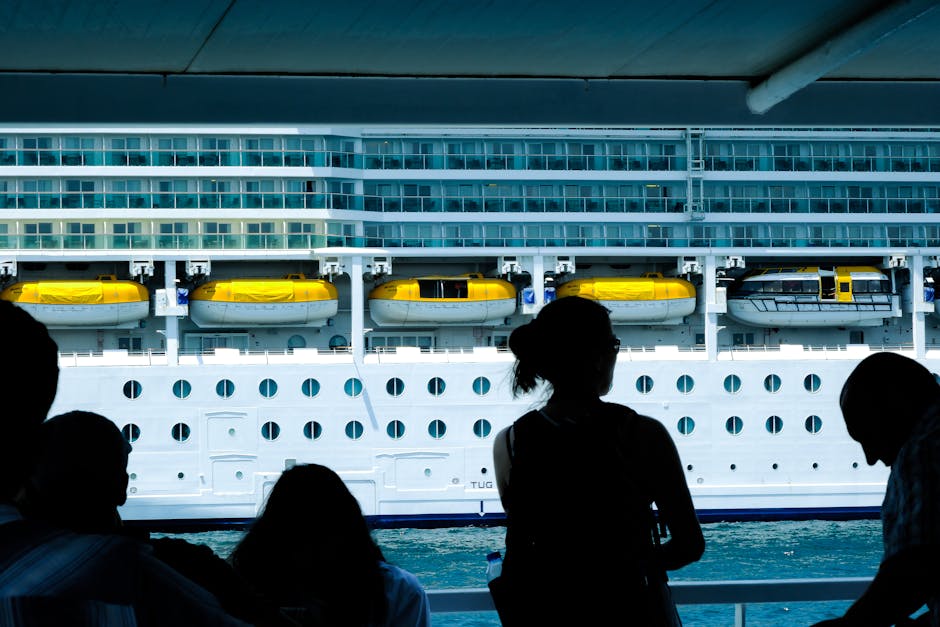
- A remote cruise ship in Antarctica experienced a mysterious outbreak of hantavirus, a rare disease rarely seen outside rural areas.
- The outbreak resulted in three fatalities and 12 reported cases of flu-like symptoms among 158 passengers and crew.
- Hantavirus is an ancient pathogen caused by exposure to infected rodent droppings, urine, or saliva, with a high mortality rate exceeding 38 percent.
- The Centers for Disease Control and Prevention (CDC) confirmed the outbreak after emergency testing on the ship’s passengers.
- Hantavirus pulmonary syndrome (HPS) is a rare but often fatal condition with no known cure or vaccine.
Under the pale glow of the Antarctic midnight sun, the MV Hondius drifted silently off the frozen coast of the South Shetland Islands, its decks eerily empty, its corridors echoing with the muffled footsteps of medics in biohazard suits. What began as a dream voyage—a luxury expedition to witness penguins, icebergs, and untouched wilderness—had descended into a nightmare. Three passengers lay dead in sealed containment units, their lungs ravaged by a mysterious illness. Outside their cabins, crew members whispered about rodents spotted in storage holds, while satellite transmissions carried grim updates to health authorities in Chile, Norway, and Atlanta. The disease had a name: hantavirus, an ancient pathogen rarely seen outside rural outbreaks, now emerging in one of the most remote and inhospitable corners of the planet.
A Lethal Outbreak in Isolation

The outbreak aboard the MV Hondius was confirmed after Chilean health officials conducted emergency testing on the ship’s passengers following its return to port in Punta Arenas. All three fatalities exhibited severe respiratory distress consistent with hantavirus pulmonary syndrome (HPS), a rare but often fatal condition caused by exposure to infected rodent droppings, urine, or saliva. According to the Centers for Disease Control and Prevention (CDC), the mortality rate for HPS can exceed 38 percent, with no known cure or vaccine. Of the 158 passengers and crew, 12 reported flu-like symptoms, and six remain in critical condition under quarantine. The MV Hondius, operated by Oceanwide Expeditions, had just completed a 14-day Antarctic expedition when symptoms emerged mid-voyage. Initial investigations suggest the virus may have been introduced via contaminated provisions or nesting rodents aboard the ship during its last port call in Ushuaia, Argentina.
The Origins of a Silent Killer

Hantaviruses are a family of pathogens primarily hosted by rodents, with different strains endemic to specific regions—Sin Nombre in North America, Puumala in Scandinavia, and Andes virus in South America, the latter of which is the most likely culprit in this outbreak. The Andes virus, unique among hantaviruses for its potential for human-to-human transmission, was first identified in Argentina in 1995 after a cluster of fatal respiratory cases. Historically, outbreaks have occurred in rural areas where people live or work near rodent habitats—barns, cabins, or agricultural fields. The idea of hantavirus spreading on a cruise ship, particularly one navigating polar waters, is unprecedented. According to a 2021 study published in Scientific Reports, climate change and increased human encroachment into wild ecosystems are expanding rodent ranges and raising spillover risks. But a vessel like the MV Hondius, designed for extreme environments, should have been rodent-proof—raising questions about biosecurity lapses.
The People Behind the Response

Leading the investigation is Dr. Elena Morales, an epidemiologist with Argentina’s National Administration of Laboratories and Health Institutes (ANLIS), who has spent two decades tracking zoonotic diseases in Patagonia. “This is not just about a single ship,” she said in a recent briefing. “It’s about how global travel intersects with fragile ecosystems and ancient viruses.” Her team is working alongside the Pan American Health Organization (PAHO) and the CDC to trace the supply chain of food and equipment used on the MV Hondius. Meanwhile, Oceanwide Expeditions has suspended all Antarctic voyages and appointed a crisis response team. Company officials stress that rodent inspections are standard, but admit that the extreme logistics of polar travel can compromise protocols. The passengers, many of them retirees from Europe and North America, had paid upwards of $20,000 for the expedition—seeking adventure, not a brush with a lethal pathogen.
Global Health and Travel Implications

The outbreak has sent shockwaves through the expedition cruise industry, which has grown rapidly in recent years as travelers seek remote destinations. If hantavirus was transmitted from rodents to humans aboard the ship, it underscores vulnerabilities in biosecurity measures for vessels operating in ecologically sensitive zones. Even more concerning is the possibility of limited human-to-human transmission, a trait documented only in the Andes virus strain. If confirmed, this could mean secondary infections among close contacts, including medical staff and fellow passengers. Health agencies are now urging all travelers returning from southern Argentina and Chile to monitor for fever, muscle aches, and shortness of breath. Cruise operators may soon face stricter sanitation mandates, and some insurers are reevaluating risk models for polar expeditions.
The Bigger Picture
This incident is a stark reminder that pathogens do not respect borders—or even the icy barriers of Antarctica. As human activity intensifies in remote regions, the interface between wildlife, disease vectors, and people grows thinner. Hantavirus is not new, but its emergence in an unexpected setting signals a broader trend: climate change, global travel, and ecosystem disruption are rewriting the rules of infectious disease. What once seemed confined to isolated forests or rural villages can now surface on a luxury cruise ship near the South Pole. The MV Hondius tragedy may become a case study in how modern mobility collides with ancient viruses.
What comes next will depend on the findings of the ongoing investigation. If rodent contamination is confirmed, reforms in cargo screening and shipboard sanitation will be inevitable. If human transmission played a role, it could prompt a reassessment of how we monitor and contain emerging zoonoses. For now, the frozen waters near Antarctica hold more questions than answers—and three lives lost to a virus that, until recently, few had ever heard of.
Source: New Scientist