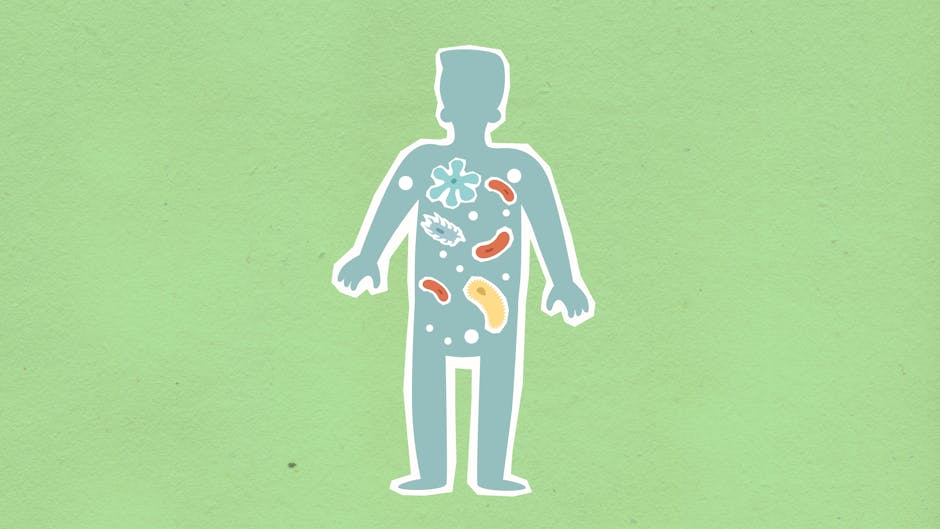
- Gut microbes play a powerful role in training immune cells to attack tumors.
- Researchers have identified a phenomenon called microbiota-induced T cell plasticity as a key mechanism in immune-mediated tumor control.
- Gut bacteria can reprogram T cells to enhance their flexibility and tumor-killing capacity.
- Manipulating the microbiome may become a strategic approach in next-generation cancer therapies.
- The gut microbiome has a direct and significant impact on immune function and cancer treatment.
Can the trillions of bacteria living in your gut actually help your body fight cancer? That’s the startling question emerging from a groundbreaking 2026 study published in Nature, which reveals that the gut microbiome plays a direct and powerful role in training immune cells to attack tumors. For years, scientists have suspected a link between gut health and immune function, but concrete mechanisms remained elusive. Now, researchers have demonstrated that specific microbial signals can reprogram T cells—key soldiers in the immune system—giving them enhanced flexibility and tumor-killing capacity. This discovery doesn’t just deepen our understanding of immunity; it suggests that manipulating the microbiome could become a pivotal strategy in next-generation cancer therapies.
What Is Microbiota-Induced T Cell Plasticity?

The study, led by an international team at the University of Geneva and the German Cancer Research Center, identifies a phenomenon called microbiota-induced T cell plasticity as a central mechanism in immune-mediated tumor control. T cells, particularly CD4+ helper and CD8+ cytotoxic types, are traditionally seen as having specialized, fixed roles. However, this research shows that metabolites and antigens from gut bacteria—such as those from Bacteroides and Lactobacillus species—trigger epigenetic and transcriptional changes in T cells, allowing them to switch functions dynamically. This ‘plasticity’ enables T cells to adapt to tumor microenvironments, infiltrate solid masses, and sustain prolonged anti-tumor activity. Crucially, mice raised in germ-free conditions or treated with broad-spectrum antibiotics showed markedly reduced T cell adaptability and tumor control, confirming the microbiota’s indispensable role.
What Evidence Supports This Immune Rewiring?

Using single-cell RNA sequencing and fate-mapping models in murine cancer systems, the team tracked how T cells from mice with diverse gut microbiomes behaved compared to those with depleted microbiomes. They found that microbial exposure upregulated genes associated with memory formation, metabolic flexibility, and cytotoxicity—particularly Tcf7, Il2rb, and Gzmb. In tumor-challenged mice, those with intact microbiomes showed a 68% reduction in tumor volume and a 2.3-fold increase in T cell infiltration. As Dr. Lena Moretti, co-lead author, stated: “The microbiota isn’t just a backdrop to immunity—it’s an active instructor.” Furthermore, fecal microbiota transplants from tumor-resistant mice conferred protection to recipients, and mass spectrometry revealed elevated levels of short-chain fatty acids like butyrate, known to modulate histone deacetylase inhibition and promote immune resilience. These findings were consistent across melanoma, colorectal, and breast cancer models.
Are There Skeptics or Limitations to the Findings?

Despite the compelling data, some immunologists urge caution in extrapolating these results to humans. Dr. Rajiv Mehta of the Fred Hutchinson Cancer Center notes, “Murine models don’t always recapitulate human tumor immunology, and microbiome composition varies drastically across individuals.” The study did not identify a single ‘protective’ bacterial strain, instead emphasizing consortia and functional redundancy, which complicates therapeutic development. Additionally, the impact of diet, antibiotics, and host genetics on microbiota-T cell interactions remains poorly quantified. There’s also concern that enhancing T cell plasticity could inadvertently promote autoimmunity—indeed, some mice exhibited mild colitis, suggesting a fine balance between anti-tumor efficacy and immune tolerance. Moreover, while the data support correlation, proving direct causation in human patients will require longitudinal clinical studies tracking microbiome shifts during immunotherapy.
What Are the Real-World Implications for Cancer Treatment?

If validated in humans, these findings could revolutionize oncology. Clinicians may soon assess patients’ microbiome profiles before initiating immune checkpoint inhibitors, which currently work in only 20–40% of cases. Early trials are exploring microbiome-based adjuvants: for instance, a 2025 pilot at MD Anderson showed that patients receiving Akkermansia muciniphila-enriched probiotics responded better to anti-PD-1 therapy. Companies like Seres Therapeutics and Vedanta Biosciences are already developing defined microbial consortia for cancer immunomodulation. Beyond treatment, the research could influence preventive strategies—diets high in fiber, which feed butyrate-producing bacteria, might one day be prescribed to bolster immune surveillance. The study also underscores the risks of indiscriminate antibiotic use in cancer patients, potentially undermining immunotherapy outcomes.
What This Means For You
While still in early stages, this research suggests that your gut health may directly influence your body’s ability to fight cancer. For patients and caregivers, it highlights the importance of discussing microbiome-friendly practices—like avoiding unnecessary antibiotics and maintaining a fiber-rich diet—with healthcare providers. Future therapies might include personalized probiotics or microbiota transplants designed to optimize immune responses. The science is not yet prescriptive, but the direction is clear: immunity is not just systemic—it’s ecological.
As researchers continue to unravel how microbial signals fine-tune immune behavior, a critical question remains: Can we engineer synthetic microbiomes that reliably enhance anti-tumor immunity across diverse populations, without triggering unintended immune reactions? Answering this may define the next frontier of cancer immunotherapy.
Source: Nature