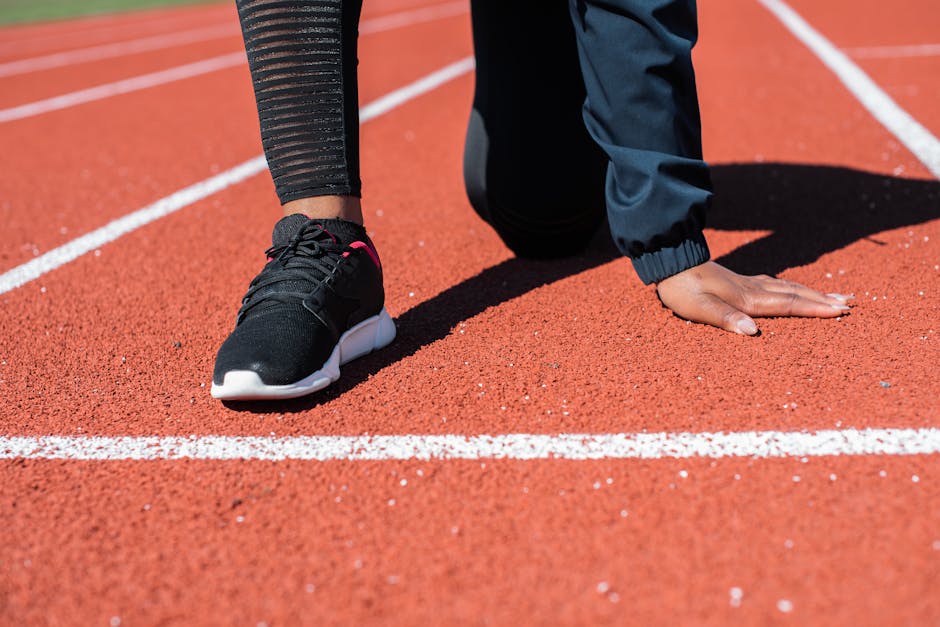
- Super shoes have revolutionized elite racing with average speed boosts of 4% since their introduction.
- The Nike Vaporfly 4% and similar models have become ubiquitous among top-tier finishers in major marathons.
- These high-tech shoes feature curved carbon fiber plates and lightweight, resilient foam that return up to 85% of energy with each stride.
- The widespread adoption of super shoes has led to unprecedented drops in elite marathon times over the past five years.
- The impact of super shoes on the soul of the sport remains a topic of debate, with some questioning the role of human achievement versus engineering advancements.
On a cool morning in September 2023, as runners surged across the finish line of the Berlin Marathon, one detail stood out—not just the record-breaking times, but the vibrant, bulbous soles beneath them. Shoes that looked more like something from a sci-fi film than a track meet carried athletes to sub-two-hour marathons and personal bests by the thousands. Among the crowd watching at home was 17-year-old Hasset Kifle from Addis Ababa, who saw not just athletic triumph, but a quiet revolution: the rise of ‘super shoes.’ These high-tech running shoes, packed with bouncy foam and rigid carbon fiber plates, were no longer just tools—they were game-changers. And Kifle, blending scientific curiosity with narrative flair, set out to uncover what this meant for the soul of the sport: Was human achievement being redefined, or was it being outsourced to engineering labs?
The Speed Surge in Elite Running

Over the past five years, elite marathon times have plummeted at an unprecedented rate. Since the debut of the Nike Vaporfly 4% in 2017, over 90% of top-tier finishers in major marathons have worn some version of the now-ubiquitous super shoe. These shoes, designed with a curved carbon fiber plate embedded in a thick layer of lightweight, resilient foam—often called PEBA—return up to 85% of energy with each stride, significantly reducing the metabolic cost of running. Studies published in Nature have confirmed that runners wearing these shoes can improve efficiency by 4% on average, equivalent to shaving nearly five minutes off a two-hour marathon. The data is striking: between 2015 and 2019, only four men broke the 2:03 barrier in the marathon; since 2020, over 20 have done so, many in identical-looking footwear. Critics argue that performance is no longer just about training and talent, but about access to proprietary technology.
The Evolution of Running Footwear

The journey to super shoes began not in a boardroom, but in a lab. In 2016, Nike launched its ‘Breaking2’ project, an ambitious attempt to crack the two-hour marathon barrier. Though the initial run fell short, the technology developed—particularly the full-length carbon plate and ZoomX foam—proved revolutionary. By 2019, Eliud Kipchoge unofficially ran a marathon in under two hours wearing a prototype of the Alphafly, a shoe so advanced it prompted World Athletics to temporarily restrict sole thickness and the number of embedded plates. The regulations, introduced in 2020, capped sole depth at 40mm and limited shoes to one rigid plate. Yet even within these boundaries, innovation continued. Brands like Adidas, Saucony, and Hoka quickly released their own versions, leading to a tech arms race. What began as a niche advantage for Nike-sponsored athletes soon trickled down to amateurs, reshaping expectations at every level of competition.
The Minds Behind the Motion

At the heart of the super shoe revolution are biomechanical engineers, podiatrists, and material scientists—many working in secrecy for major sportswear brands. But Hasset Kifle’s award-winning essay shifts focus to the athletes themselves, particularly those from low-income countries who dominate long-distance running but rarely benefit from the latest gear. While elite Kenyan and Ethiopian runners may receive sponsorships, thousands of hopefuls train in worn-out shoes, excluded from technological gains that could elevate their performance. Kifle, himself a long-distance runner, writes with empathy about the ‘invisible barrier’ between raw talent and engineered advantage. He interviews coaches in East Africa who lament the rising cost of competitive footwear—some models now exceed $250—making them unattainable for most. The science, he argues, is advancing faster than equity.
Consequences for the Sport

The implications of super shoes extend beyond individual performance. For race organizers, record times mean greater media attention and sponsorship. For manufacturers, each podium finish is a marketing triumph. But for purists, the sport risks losing its authenticity. Some coaches worry that young runners now prioritize gear over grit, believing a new pair of shoes can substitute for months of training. Others fear a future where competition is less about human endurance and more about which brand’s R&D team is ahead. World Athletics continues to monitor the situation, but enforcement remains inconsistent. Meanwhile, amateur runners report increased injury risks due to the shoes’ aggressive geometry, which alters natural gait patterns. As the technology evolves, so too does the debate: Are we witnessing a leap forward—or a step too far?
The Bigger Picture
Kifle’s essay transcends sports, touching on broader questions about equity, innovation, and the definition of fairness in an age of human augmentation. Super shoes are not unlike other performance-enhancing technologies—from eyeglasses to insulin pumps—that blur the line between natural ability and external aid. Yet unlike medical devices, these shoes are commercial products, distributed unevenly across the global playing field. In an era where technology increasingly mediates human potential, Kifle asks whether progress should be measured in milliseconds or in access. His work reminds us that every leap forward must be scrutinized not just for speed, but for its cost to the spirit of competition.
As the next generation of super shoes emerges—with adaptive cushioning, embedded sensors, and AI-driven fit adjustments—the conversation will only intensify. Will regulations evolve to ensure fairness? Will more affordable versions democratize access? Or will running, like so many sports before it, become a showcase of engineering as much as endurance? Hasset Kifle’s voice, sharp and compassionate, suggests that the answer lies not just in labs or rulebooks, but in who gets to participate in the conversation.
Source: New Scientist