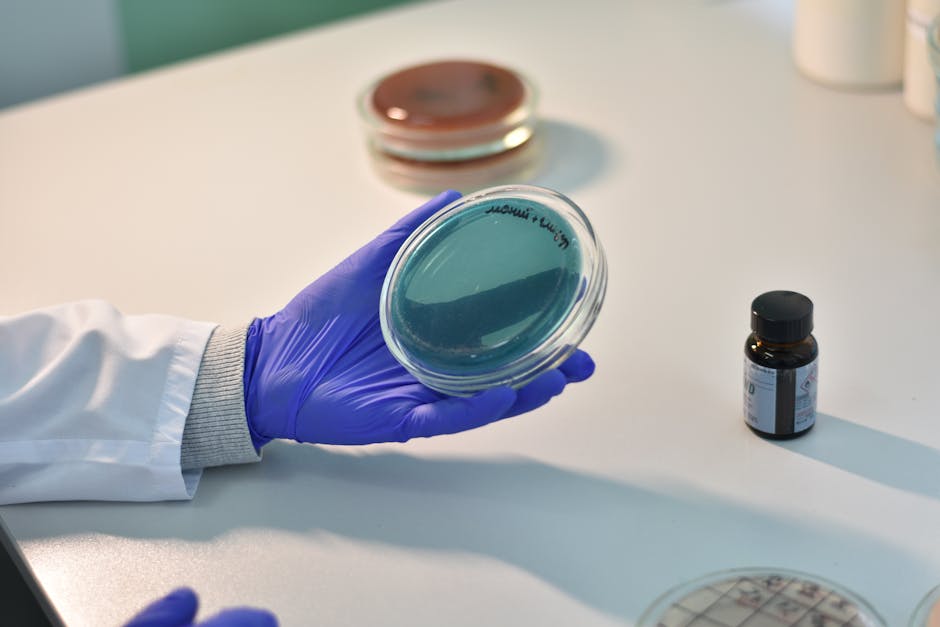
- The WHO recommends new diagnostic tools to cut TB detection time, including rapid molecular tests and oral swab-based detection.
- Rapid molecular tests and oral swab-based detection can deliver accurate TB diagnoses in under two hours.
- Recent clinical studies show that these new tools can improve TB diagnosis, particularly in low-resource settings.
- LF-LAM testing reduced mortality by 27% among hospitalized HIV-positive patients with suspected TB, according to a 2023 multicountry trial.
- Oral swab-based detection offers a painless alternative to sputum sampling, which can be a barrier to TB diagnosis.
Amid rising global momentum to eliminate tuberculosis, the World Health Organization (WHO) has issued new recommendations endorsing innovative diagnostic tools designed to accelerate early detection and expand access to life-saving care. These include rapid molecular tests deployable at or near the point of care and the use of oral swabs as a non-invasive alternative to sputum sampling. The guidance, released on World TB Day, underscores a strategic pivot toward scalable, patient-friendly diagnostics to overcome longstanding barriers in TB control—particularly in low-resource and hard-to-reach settings where diagnosis delays fuel transmission and drug resistance.
New Evidence Supports Faster, Simpler Diagnosis

Recent clinical studies have demonstrated that lateral flow urine lipoarabinomannan assays (LF-LAM) and next-generation molecular tests like the Xpert MTB/XDR can deliver accurate TB diagnoses in under two hours, even in decentralized clinics lacking advanced lab infrastructure. According to a 2023 multicountry trial published in The Lancet, LF-LAM testing reduced mortality by 27% among hospitalized HIV-positive patients with suspected TB. Meanwhile, oral swab-based detection—analyzing mycobacterial DNA from tongue biofilm—has shown over 85% sensitivity in early trials, offering a painless alternative to sputum, which many patients struggle to produce. The WHO’s updated guidelines cite this body of evidence as pivotal in shifting diagnostic paradigms, particularly for children, the elderly, and immunocompromised individuals who are often missed by conventional methods.
Key Players Driving Innovation and Access

The rollout of these tools involves a coalition of global health actors, led by the WHO in coordination with the Global Fund to Fight AIDS, Tuberculosis and Malaria, FIND Instant Diagnostic, and public-private partnerships like the Stop TB Partnership. Cepheid, manufacturer of the GeneXpert platform, has committed to scaling production of Xpert MTB/XDR cartridges under tiered pricing agreements, while nonprofit diagnostics developer Molbio Diagnostics has introduced portable Truenat devices suited for rural clinics. National governments, including those of India, South Africa, and Indonesia—three of the highest TB burden countries—are piloting integration of tongue swab testing into primary care networks. Meanwhile, donor agencies such as USAID and Unitaid are funding supply chain enhancements to ensure test availability in remote regions, recognizing that technological innovation alone cannot close diagnostic gaps without equitable distribution systems.
Trade-Offs Between Speed, Cost, and Infrastructure

While the new diagnostics promise faster results and broader reach, their implementation presents fiscal and logistical challenges. Point-of-care molecular tests, though highly accurate, require sustained investment in equipment maintenance, cold chain logistics, and staff training—burdens that may strain underfunded health systems. LF-LAM, though low-cost and easy to use, has lower sensitivity in HIV-negative and non-severely ill populations, limiting its universal applicability. Tongue swabs, while patient-friendly, are still in early deployment stages and lack the regulatory approvals and manufacturing scale of established methods. On balance, however, the WHO asserts that the benefits—reduced transmission, earlier treatment initiation, and lower long-term health costs—outweigh the upfront investments. Modeling by the WHO’s Global Tuberculosis Programme estimates that widespread adoption could avert up to 200,000 deaths annually by 2030 if paired with treatment access and stigma reduction initiatives.
Why the Timing Is Critical for TB Elimination

The current moment marks a turning point in the fight against TB, a disease that remains the world’s deadliest infectious pathogen after COVID-19, claiming 1.3 million lives in 2022 alone. Progress stalled during the pandemic, with an estimated 10 million people missing TB diagnoses between 2020 and 2022, according to WHO reports. Now, as health systems recover and political attention refocuses on pandemic preparedness, there is renewed urgency to integrate TB screening into broader primary care and antimicrobial resistance surveillance platforms. The new diagnostics align with the United Nations’ 2023 Political Declaration on TB, which set a target of 90% of people with TB accessing treatment by 2027—a goal unattainable without overhauling outdated diagnostic pathways.
Where We Go From Here
In the next 6 to 12 months, three scenarios could unfold. First, a best-case trajectory: high-burden countries rapidly adopt the new tools with donor support, integrating them into community health programs and achieving measurable drops in undiagnosed TB. Second, a fragmented rollout: uneven funding and supply constraints lead to urban-rural disparities, limiting impact despite technological availability. Third, a systems-strengthening shift: countries leverage TB diagnostic upgrades to build broader primary care capacity, using digital reporting and task-shifting to community health workers to sustain gains. The path taken will depend not only on financing but on political will to treat TB not as a standalone issue but as a litmus test for health equity.
Bottom line — with the right investment and coordination, the WHO’s new diagnostic recommendations could transform TB care, turning a historically protracted and inequitable process into a swift, dignified, and life-saving intervention for millions.
Source: WHO