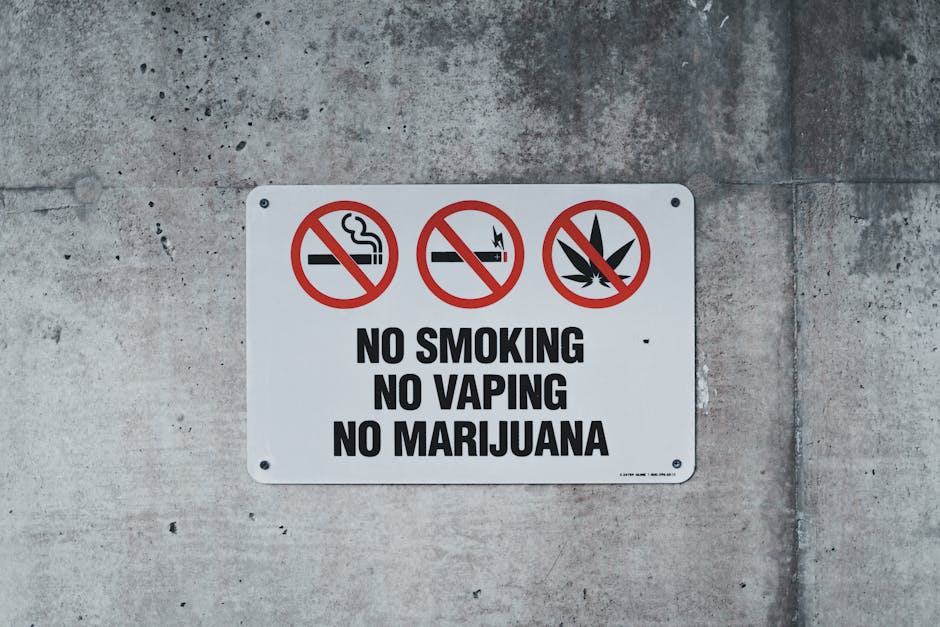
- The US FDA has shifted its stance on flavored vapes, potentially allowing major tobacco companies to sell them in stores.
- The decision comes amid growing concerns over the influx of illicit e-cigarettes from China and the youth vaping epidemic.
- Recent studies show that flavored vapes are used by over 70% of high school students who vape, highlighting the need for regulation.
- The FDA must balance regulating the industry with the risk of exacerbating the youth vaping epidemic.
- Major tobacco companies, such as Altria and Juul, have been lobbying aggressively for the right to sell flavored vapes.
Executive summary: The U.S. Food and Drug Administration (F.D.A.) has announced a significant shift in its stance on flavored vapes, potentially paving the way for major tobacco companies to sell these products from prime shelf space at thousands of stores. This move comes amidst intense pressure from the industry and growing concerns over the influx of illicit e-cigarettes from China. As the F.D.A. navigates this complex issue, it must balance the need to regulate the industry with the risk of exacerbating the youth vaping epidemic.
Evidence of a Shifting Landscape

The F.D.A.’s decision is supported by hard data, with a recent study by the Centers for Disease Control and Prevention (C.D.C.) finding that flavored vapes are used by over 70% of high school students who vape. Furthermore, a report by the Reuters news agency revealed that illicit e-cigarettes have flooded the U.S. market, with many of these products originating from China. These findings highlight the need for effective regulation and oversight of the industry.
Key Players and Their Roles

The F.D.A. Commissioner has been under intense pressure from the industry and lawmakers to revisit the agency’s stance on flavored vapes. Major tobacco companies, such as Altria and Juul, have been lobbying aggressively for the right to sell flavored vapes, arguing that these products can help adult smokers quit traditional cigarettes. Meanwhile, public health advocates, including the World Health Organization (W.H.O.), have expressed concerns over the potential risks of flavored vapes, particularly among youth.
Trade-Offs and Risks

The F.D.A.’s decision to open the door to flavored vapes is not without risks. On one hand, allowing major tobacco companies to sell these products could lead to increased regulation and oversight of the industry, potentially reducing the number of illicit e-cigarettes on the market. On the other hand, this move could also exacerbate the youth vaping epidemic, as flavored vapes are often marketed in a way that appeals to young people. Additionally, there are concerns over the long-term health effects of vaping, with some studies suggesting a link between e-cigarette use and respiratory disease.
Timing and Context

So, why has the F.D.A. chosen to revisit its stance on flavored vapes now? One reason is the growing concern over the influx of illicit e-cigarettes from China, which has highlighted the need for effective regulation and oversight of the industry. Another factor is the intense pressure from the industry and lawmakers, who argue that the F.D.A.’s previous stance was too restrictive and would lead to a black market for flavored vapes. Furthermore, the New York Times has reported that the F.D.A. has been working to develop a new regulatory framework for e-cigarettes, which could provide a more comprehensive approach to regulating the industry.
Where We Go From Here
Looking ahead to the next 6-12 months, there are several possible scenarios for the F.D.A.’s regulation of flavored vapes. One scenario is that the agency will establish a robust regulatory framework, which will allow major tobacco companies to sell flavored vapes while also protecting public health. Another scenario is that the F.D.A. will face legal challenges from public health advocates, who argue that the agency’s decision is not supported by scientific evidence. A third scenario is that the illicit e-cigarette market will continue to thrive, despite the F.D.A.’s efforts to regulate the industry.
Bottom line: The F.D.A.’s decision to open the door to flavored vapes is a complex and contentious issue, which will require careful consideration of the potential risks and benefits. As the agency navigates this challenging landscape, it must prioritize public health and safety, while also acknowledging the need for effective regulation and oversight of the industry.
Source: The New York Times