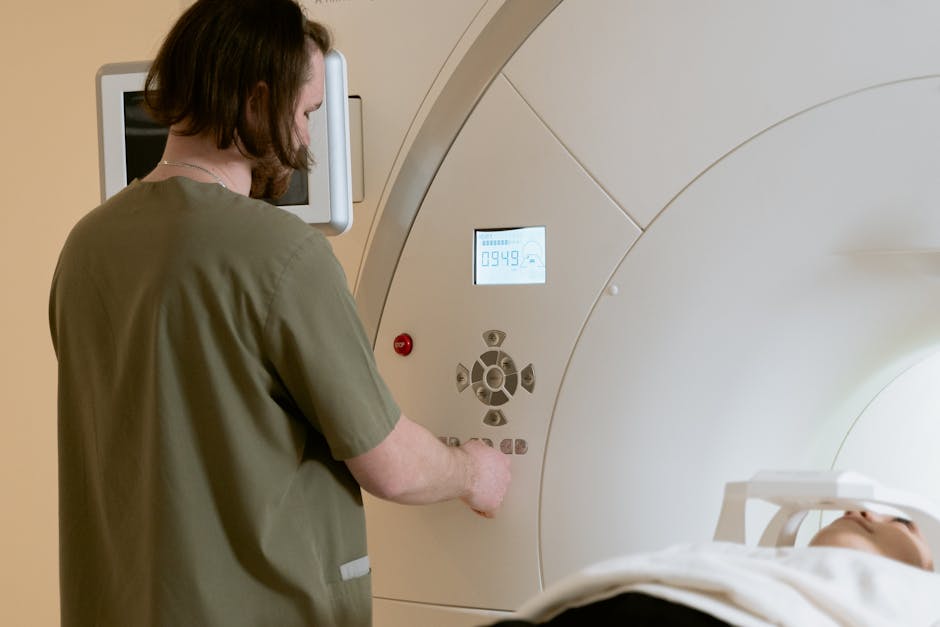
- Bowel cancer often develops silently, with symptoms dismissed as indigestion or stress.
- Early detection is key, as survival rates exceed 90% when caught early.
- Common symptoms include changes in bowel habits, abdominal pain, and unexplained weight loss.
- A persistent change in bowel habits, such as diarrhea or constipation, can be a warning sign.
- Ignoring subtle warning signs can lead to late-stage diagnosis and reduced treatment options.
It begins quietly—a slight change in routine, a fleeting discomfort dismissed as indigestion or stress. For months, John Mallory, a 58-year-old school administrator from Leeds, chalked up his occasional abdominal cramps and irregular bowel movements to a busy schedule and too much coffee. But when he noticed blood in his stool one morning, a cold wave of fear washed over him. That single, alarming sign propelled him to his doctor, where a colonoscopy revealed stage II bowel cancer. His story is not rare. Across the UK, the US, and much of the developed world, bowel cancer—also known as colorectal cancer—creeps silently into lives, often diagnosed only after symptoms become impossible to ignore. Yet, when detected early, survival rates exceed 90%. The difference between life and death, experts say, often lies not in dramatic medical breakthroughs but in timely recognition of subtle warning signs.
\n\n
What Happens When Bowel Cancer Develops

\n
Bowel cancer starts when abnormal cells in the lining of the colon or rectum grow uncontrollably, forming polyps that may eventually turn malignant. The most common symptoms include a persistent change in bowel habits—such as diarrhea, constipation, or narrowing of the stool—that lasts more than a few days; a feeling of incomplete evacuation after bowel movements; rectal bleeding or blood in the stool, which may appear bright red or dark; unexplained abdominal pain or cramping; and unexplained weight loss or fatigue. According to the UK’s National Health Service, more than 44,000 people are diagnosed with bowel cancer each year in the UK alone, making it the fourth most common cancer. In the United States, the Centers for Disease Control and Prevention (CDC) reports over 150,000 new cases annually, with around 53,000 deaths. Screening programs, such as fecal immunochemical tests (FIT) and colonoscopies, are instrumental in catching precancerous growths before they progress, yet participation remains uneven, particularly among underserved populations.
\n\n
The Evolution of Bowel Cancer Awareness

\n
For decades, bowel cancer was shrouded in silence and stigma, often diagnosed at advanced stages due to patient hesitation and limited public knowledge. In the 1980s and 1990s, screening was haphazard, and public health campaigns were nearly nonexistent. The turning point came in the early 2000s, when large-scale studies confirmed that routine screening could reduce mortality by up to 60%. Countries like the UK launched national bowel cancer screening programs, mailing home test kits to eligible individuals aged 60 to 74. The US followed with recommendations for average-risk adults to begin screening at age 45, a shift prompted by rising incidence among younger populations. The advent of non-invasive tests like Cologuard, which analyzes stool DNA, and virtual colonoscopies using CT scans, has further expanded access. Yet, historical inequities persist: Black Americans, for instance, face higher incidence and mortality rates, partly due to disparities in healthcare access and genetic factors.
\n\n
The People Behind Prevention and Detection

\n
Dr. Amara Singh, a gastroenterologist at University College London Hospital, sees the human cost of delayed diagnosis every week. “Too many patients come in with advanced disease simply because they were embarrassed or thought the symptoms weren’t serious,” she says. Her team runs community outreach programs to educate people about bowel health, targeting neighborhoods with low screening rates. Public figures have also played a crucial role: when TV presenter Lynne Perrie spoke openly about her bowel cancer diagnosis in the 1990s, it sparked a national conversation in the UK. More recently, actor Chadwick Boseman’s death at age 43 shocked the world and highlighted the growing trend of early-onset colorectal cancer. Researchers like Dr. Kimmie Ng at Dana-Farber Cancer Institute are now studying why rates are rising in adults under 50, suspecting links to diet, sedentary lifestyles, and the gut microbiome. Their work is reshaping prevention strategies for a new generation.
\n\n
Consequences of Delayed Diagnosis

\n
When bowel cancer is caught early—confined to the bowel wall—the five-year survival rate is over 90%. But if the disease spreads to distant organs, survival plummets to around 15%. Beyond survival, late diagnosis means more aggressive treatments: major surgery, chemotherapy, and sometimes permanent colostomies. The emotional and financial toll on patients and families can be devastating. On a broader scale, delayed detection strains healthcare systems. Treating advanced bowel cancer costs significantly more than preventive screening, making early intervention not only a medical imperative but an economic one. Employers, insurers, and public health officials are increasingly recognizing that investments in screening programs yield long-term savings and healthier populations.
\n\n
The Bigger Picture
\n
Bowel cancer is more than a personal health issue—it’s a barometer of healthcare equity and public awareness. As rates climb among younger adults, the assumption that colorectal cancer is a disease of the elderly is proving dangerously outdated. This shift demands updated guidelines, better education, and a cultural willingness to discuss bodily functions without shame. The tools to prevent and cure most cases already exist; what’s lacking is consistent access and public engagement. Normalizing conversations about bowel health could save tens of thousands of lives each year.
\n\n
What comes next is not a single breakthrough, but a collective shift in behavior. Health systems must expand access to screening, especially for younger and high-risk groups. Individuals should pay attention to their bodies and seek medical advice without delay when symptoms persist. With greater awareness, reduced stigma, and equitable care, bowel cancer could transition from a leading cause of death to a largely preventable condition—one conversation, one test, and one life at a time.
Source: BBC