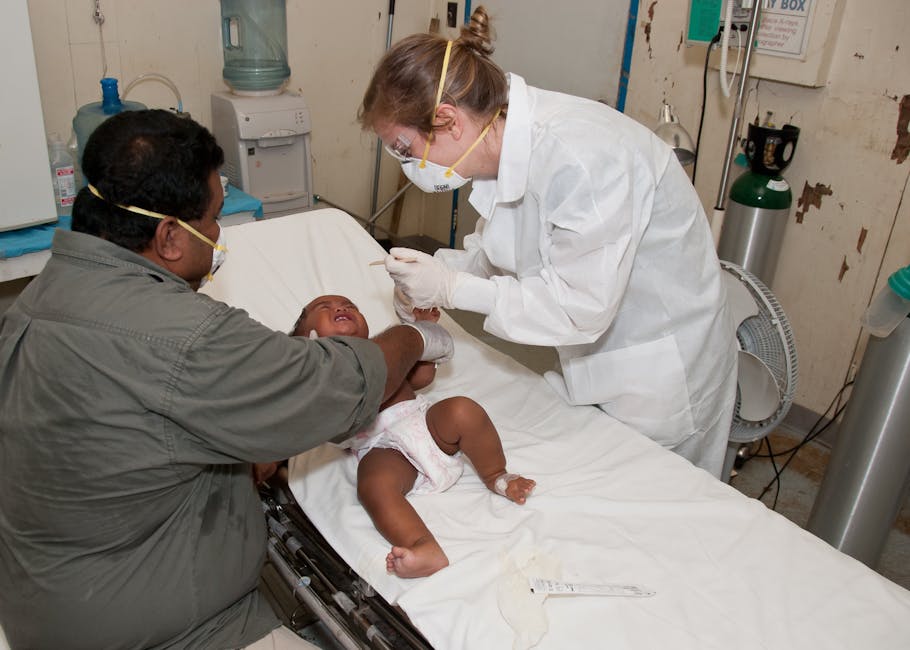
- 1 in 500 children are exposed to toxic decorating substances annually, posing a significant health risk to their developing lungs.
- Fine cake decorating particles, such as edible glitter and powdered sugar, can trigger acute respiratory distress syndrome in young children.
- Young children’s respiratory systems are highly susceptible to damage from inhaling small particles, making them more vulnerable to health risks.
- Medical experts warn that household environments, especially those with fine particulates, can be hazardous to young children’s health.
- A medically controlled coma and mechanical ventilation may be necessary to treat severe cases of respiratory distress syndrome in young children.
What happens when a common kitchen craft turns life-threatening? A recent case has sparked national concern after a toddler in Ohio was placed in an induced coma following the accidental inhalation of cake decorating dust. The child, just 18 months old, began coughing violently while near a workspace where fine edible glitter and powdered sugar were being handled. Within hours, the toddler struggled to breathe and was rushed to Nationwide Children’s Hospital in Columbus. The incident, shared by the child’s mother on social media, has triggered widespread alarm and raised urgent questions about the safety of fine particulates in household environments—especially around young children whose respiratory systems are still developing.
What Happened to the Toddler?

The toddler was admitted to the pediatric intensive care unit after developing acute respiratory distress syndrome (ARDS) linked to the inhalation of fine cake decorating particles. Doctors determined that the dust—composed of a mixture of edible glitter, powdered sugar, and starch-based pigments—had triggered a severe inflammatory response in the child’s lungs. Because the particles were so small, they penetrated deep into the alveoli, causing swelling and fluid buildup that compromised oxygen exchange. To allow the lungs to rest and heal, medical staff induced a medically controlled coma and placed the child on mechanical ventilation. According to Dr. Amira Patel, a pediatric pulmonologist at Nationwide Children’s Hospital, “This case underscores how even non-toxic substances can become dangerous when inhaled in particulate form, especially in infants with narrow airways and immature immune responses.”
What Evidence Supports This Risk?

Medical literature increasingly documents cases of inhalation injury from fine powders once considered harmless. A 2021 study published in Pediatric Pulmonology reported several instances of respiratory distress in children exposed to cosmetic-grade glitter and powdered food additives. The U.S. Consumer Product Safety Commission (CPSC) has also issued advisories about airborne particulates in craft activities, noting that particles smaller than 10 micrometers can bypass natural airway defenses. Dr. Carlos Mendez, a respiratory toxicologist at the CDC, stated in an interview with Reuters that “The dose, duration, and particle size determine the risk—not just the chemical composition. Even sugar dust, when aerosolized, can cause granulomatous inflammation in the lungs.” These findings align with occupational safety standards in industrial settings, where flour mills and pharmaceutical facilities require respirators to prevent “baker’s lung” and similar conditions.
Are There Counterarguments or Misconceptions?

Some baking supply manufacturers and hobbyist communities argue that edible decorating powders are safe because they are labeled as food-grade. The Sugar Artisans Guild, a trade group representing cake decorators, maintains that these products are designed for consumption, not inhalation, and that proper handling eliminates risk. They emphasize that warnings are included on packaging advising use in well-ventilated areas and away from children. However, critics point out that such disclaimers are often overlooked in home settings, especially on social media platforms where videos showing close-up applications of glitter dust go viral without safety context. Additionally, while the ingredients may be edible, their physical form when aerosolized transforms them into a respiratory hazard. Pediatricians caution that parents may not recognize the danger until symptoms appear—by which time significant lung injury may have already occurred.
What Are the Real-World Consequences?

Beyond this single incident, public health officials are seeing a rise in pediatric cases linked to craft-related inhalation injuries. In the past two years, at least seven children under age three have been hospitalized in the U.S. for respiratory distress following exposure to glitter, chalk dust, or powdered food coloring during home activities. One case in Texas involved a two-year-old who developed chronic cough and reduced lung function after repeated exposure to rainbow sprinkle clouds during birthday party prep. Follow-up imaging showed persistent interstitial changes consistent with early pneumoconiosis. In response, some school districts have banned glitter in classrooms, and hospitals are launching educational campaigns. Nationwide Children’s Hospital has since created a safety flyer titled “When Sweet Isn’t Safe,” distributed to pediatric clinics across the Midwest.
What This Means For You
If you use fine powders at home—whether for baking, crafts, or cosmetics—keep them away from infants and toddlers. Always use such materials in well-ventilated areas, consider wearing a mask during application, and store powders securely out of reach. The key takeaway is that just because a substance is edible doesn’t mean it’s safe to breathe. Children’s lungs are more vulnerable to particle damage, and symptoms can escalate quickly. Being proactive about minimizing airborne exposure can prevent serious health emergencies.
As hobbyist baking and DIY crafts grow in popularity, especially through social media, how can safety standards keep pace with trends? And should regulatory agencies require clearer labeling or even reformulate products to reduce aerosolization risk? These questions remain open as families, doctors, and policymakers grapple with the hidden dangers lurking in everyday household activities.
Source: Abc