- A retired executive discovered a lost Declaration of Independence in Britain’s National Archives, dating back to 1776.
- The document was found in Royal Navy files, where it had been stored for 250 years, unread and unexamined.
- The lost Declaration is one of the few surviving copies, providing a unique insight into the American Revolution.
- The discovery sheds new light on a pivotal moment in American history and highlights the importance of preserving historical documents.
- The retired executive’s find sent shockwaves through the historical community, sparking renewed interest in the American Revolution.
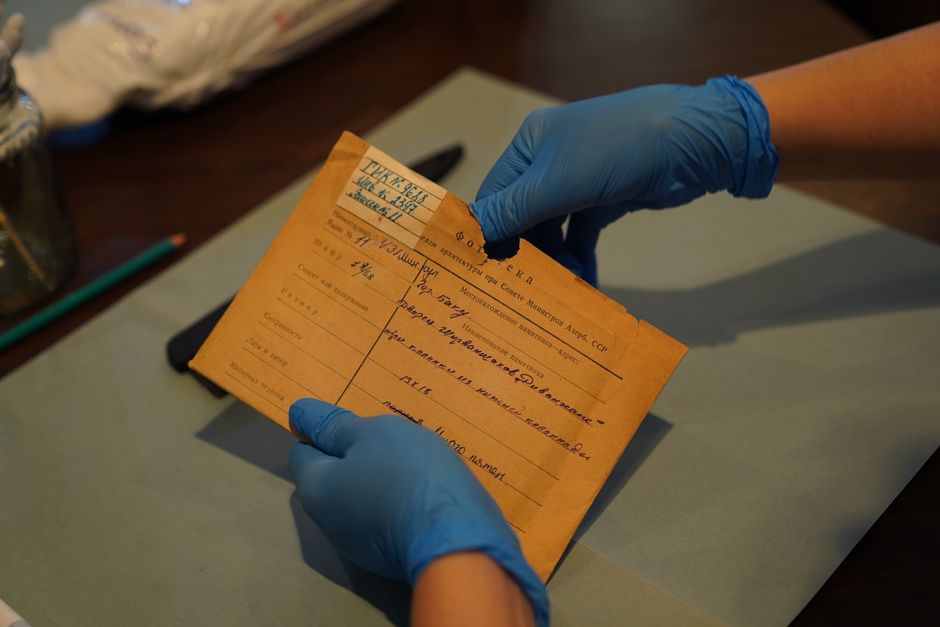
A retired insurance executive, Michael Scurr, has made a historic discovery in Britain’s National Archives, uncovering a lost Declaration of Independence that had been sitting unread in Royal Navy files for 250 years. The document, which was captured from a Revolutionary privateer in 1776, was found by Scurr on a typical morning as he unfolded it, revealing the significance of his find. This remarkable discovery sheds new light on a pivotal moment in American history and highlights the importance of preserving historical documents.
The Discovery

The lost Declaration of Independence was found in a collection of Royal Navy files, where it had been stored for centuries. Scurr, who has a passion for history, was researching in the archives when he stumbled upon the document. As he carefully unfolded it, he realized the significance of his discovery, and his findings have sent shockwaves through the historical community. The document is one of only a few surviving copies of the Declaration of Independence, and its discovery provides a unique insight into the events surrounding the American Revolution.
A Historical Context

The Declaration of Independence was adopted by the Continental Congress on July 4, 1776, marking a significant milestone in American history. The document, which declared the 13 American colonies’ independence from Great Britain, was a call to action for the colonies to unite against British rule. The privateer that was captured by the British in 1776 was likely carrying a copy of the document, which was then seized by the Royal Navy and stored in their files. For 250 years, the document remained unread, a testament to the vastness of the archives and the challenges of preserving historical records.
The Key Players

Michael Scurr, the retired insurance executive, is an unlikely hero in the world of historical discoveries. His passion for history and dedication to researching in the archives led him to the lost Declaration of Independence. Scurr’s discovery has been hailed as a significant find, and his name is now associated with one of the most important documents in American history. The Royal Navy and the British National Archives have also played a crucial role in preserving the document, albeit unintentionally, for over two centuries.
Consequences and Implications

The discovery of the lost Declaration of Independence has significant implications for historians, researchers, and the general public. The document provides a unique insight into the events surrounding the American Revolution and sheds new light on the historical context of the time. The discovery also highlights the importance of preserving historical records and the need for continued research and exploration of archives. As news of the discovery spreads, it is likely to spark renewed interest in American history and the significance of the Declaration of Independence.
The Bigger Picture
The discovery of the lost Declaration of Independence is a reminder of the significance of historical documents and the importance of preserving our cultural heritage. In an era where digital records are becoming increasingly prevalent, the discovery of a physical document from the 18th century serves as a testament to the enduring power of historical records. The document’s discovery also underscores the complex and often fraught relationship between the United States and Great Britain, highlighting the need for continued dialogue and cooperation between the two nations.
As the news of the discovery continues to unfold, it is likely that the lost Declaration of Independence will become a source of fascination for historians, researchers, and the general public. With its discovery, a new chapter in the document’s history has begun, and it will be exciting to see how its story continues to evolve. For now, the document remains a powerful symbol of American independence and a reminder of the importance of preserving our shared cultural heritage. For more information on the Declaration of Independence, visit the Wikipedia page or the National Archives website.
Source: Fortune