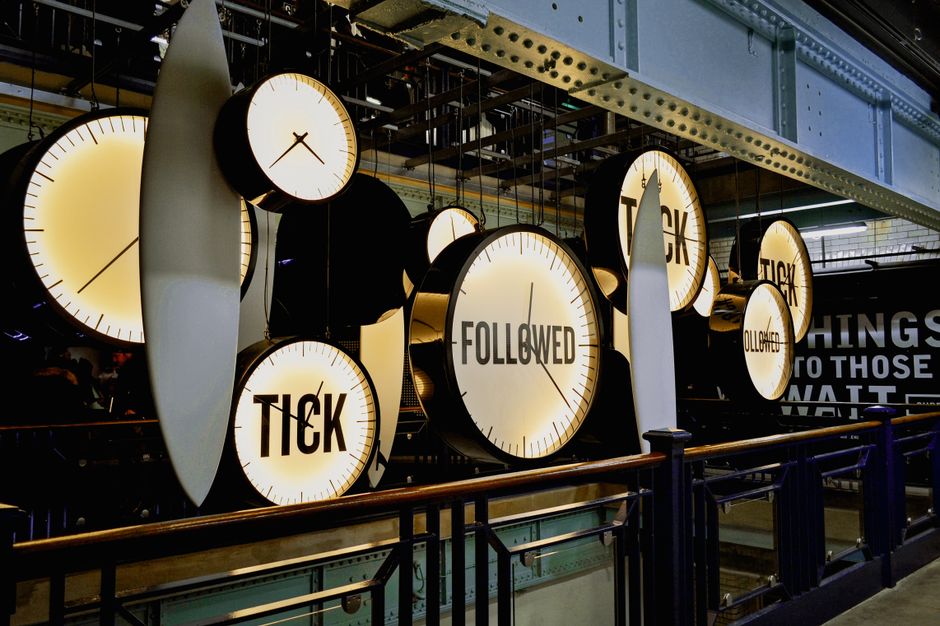
Starting this summer, the Victoria and Albert Museum (V&A) East Storehouse in London is revolutionizing the way visitors engage with rare and historically significant artifacts. The new initiative allows patrons to book appointments to view and, in many cases, touch items that are not usually part of the museum’s public displays. This unprecedented access includes a wide range of treasures, from David Bowie’s iconic guitar to original manuscripts by Beatrix Potter. The experience is designed to deepen the connection between the public and the museum’s vast collection, offering a more intimate and educational encounter with history.
Why the V&A East Storehouse is Offering This Unique Experience

The V&A East Storehouse is a state-of-the-art facility that houses a significant portion of the museum’s extensive collection, much of which remains unseen by the public due to space constraints and conservation needs. By introducing this appointment-based system, the museum aims to provide a more personalized and hands-on experience for visitors. “We want to make our collections more accessible and engaging,” said Tristram Hunt, the V&A’s director. “This allows people to explore items in depth and understand their historical and cultural significance in a way that traditional displays cannot achieve.” The initiative is part of the V&A’s broader mission to democratize access to art and design, ensuring that more people can benefit from the museum’s resources.
Supporting Evidence and Implementation Details

The V&A East Storehouse has been meticulously designed to facilitate this unique interaction. The facility features specially equipped rooms with controlled environments to protect delicate items, and trained staff members guide visitors through the experience. According to the museum, over 250,000 objects are stored at the East Storehouse, with a wide range of artifacts available for appointments. Visitors can choose from a variety of items, including musical instruments, textiles, and manuscripts. The V&A website provides detailed information on how to book appointments and what to expect during the visit. This approach has been praised by cultural experts, who see it as a model for other institutions looking to enhance visitor engagement.
Counter-Perspectives and Concerns

While the initiative has been widely acclaimed, some critics and conservators have raised concerns about the potential risks to the artifacts. “Handling items that are hundreds of years old can be detrimental to their preservation,” said Dr. Sarah Thompson, a conservator at the British Museum. “There needs to be a balance between access and conservation.” The V&A has addressed these concerns by implementing strict guidelines and training for both staff and visitors. Each artifact is carefully assessed to determine its suitability for handling, and only items deemed safe are available for touch. The museum also emphasizes the educational value of the experience, arguing that it fosters a deeper appreciation for the objects and the need for their preservation.
Real-World Impact and Visitor Experiences

The impact of this initiative on visitor experiences has been profound. Early participants have reported feeling a deeper connection to the artifacts, describing the experience as transformative. “Holding Beatrix Potter’s original manuscript felt like stepping into a piece of history,” said Jane Smith, a visitor who booked an appointment to see the manuscripts. “It was an emotional and educational experience that I will never forget.” The V&A East Storehouse has also seen an increase in visitor numbers, with many people traveling specifically to take part in these unique appointments. The museum hopes that this will encourage more people to engage with cultural heritage and inspire a new generation of art and design enthusiasts.
What This Means For You
If you are a history buff, art lover, or simply curious about the world’s cultural treasures, the V&A East Storehouse offers a one-of-a-kind opportunity. By booking an appointment, you can gain intimate access to artifacts that are not typically on display, enhancing your understanding and appreciation of their significance. This experience is not just about seeing; it’s about feeling the history and craftsmanship of these items firsthand. Whether you are interested in David Bowie’s guitar or Beatrix Potter’s original illustrations, the V&A East Storehouse provides a unique way to connect with the past.
What other museums and cultural institutions could adopt similar approaches to make their collections more accessible and engaging? How might this change the way we think about preserving and sharing historical artifacts?
Source: The New York Times