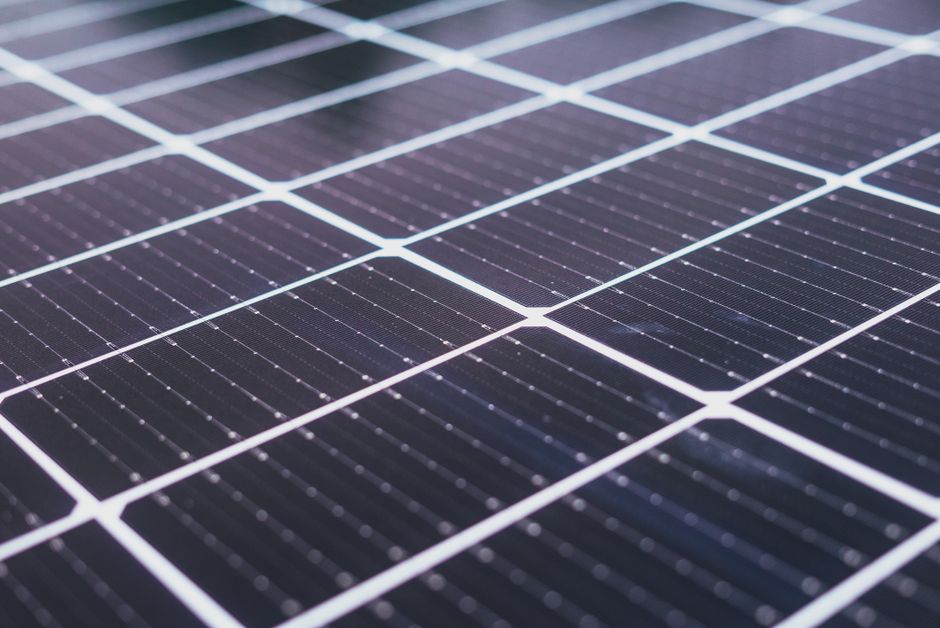
- Researchers have made a breakthrough in perovskite photovoltaics by using electrodeposited self-assembled molecules.
- This innovative technique enhances the performance of perovskite solar cells, making them a more viable option for renewable energy.
- The new method involves electrodepositing self-assembled molecules onto the surface of perovskite solar cells, allowing for better control over molecular structure.
- By optimizing molecular arrangement, scientists can increase energy conversion rate, making perovskite solar cells more competitive with traditional silicon-based solar cells.
- This breakthrough has significant implications for the development of more efficient and affordable solar energy systems.
What if solar cells could be made more efficient and cost-effective? Researchers have made a significant breakthrough in perovskite photovoltaics by using electrodeposited self-assembled molecules, which could revolutionize the field of solar energy. Published in Nature, this innovative technique enhances the performance of perovskite solar cells, making them a more viable option for renewable energy. As the world shifts towards cleaner energy sources, this discovery matters now more than ever.
Enhancing Perovskite Solar Cells

The new method involves electrodepositing self-assembled molecules onto the surface of perovskite solar cells. This technique allows for better control over the molecular structure, resulting in improved efficiency and stability. By optimizing the molecular arrangement, scientists can increase the energy conversion rate, making perovskite solar cells more competitive with traditional silicon-based solar cells. This breakthrough has significant implications for the development of more efficient and affordable solar energy systems.
Supporting Evidence

Studies have shown that electrodeposited self-assembled molecules can increase the power conversion efficiency of perovskite solar cells by up to 20%. This significant improvement is attributed to the enhanced molecular ordering and reduced recombination losses. According to the research published in Nature, the electrodeposition technique enables the creation of high-quality perovskite films with improved optical and electrical properties. This evidence suggests that the new method has the potential to overcome the existing limitations of perovskite solar cells.
Counter-Perspectives

While the breakthrough in electrodeposited self-assembled molecules is promising, some scientists remain skeptical about the scalability and long-term stability of perovskite solar cells. They argue that the new technique may not be suitable for large-scale commercial production, and the stability of the molecules under various environmental conditions is still a concern. Additionally, the high cost of the electrodeposition process could be a barrier to widespread adoption. However, researchers are working to address these challenges and optimize the technique for industrial applications.
Real-World Impact

The improved efficiency of perovskite solar cells enabled by electrodeposited self-assembled molecules could have a significant impact on the renewable energy sector. With more efficient solar cells, the cost of solar energy could decrease, making it more competitive with fossil fuels. This, in turn, could lead to increased adoption of solar energy systems, reducing greenhouse gas emissions and mitigating climate change. For instance, recent studies have shown that widespread adoption of solar energy could reduce CO2 emissions by up to 78% by 2050.
What This Means For You
The breakthrough in perovskite photovoltaics using electrodeposited self-assembled molecules means that more efficient and affordable solar energy systems may be on the horizon. As the technology continues to evolve, consumers can expect to see more efficient solar panels and reduced energy costs. This development also highlights the importance of continued investment in renewable energy research and development, as innovative solutions like this can have a significant impact on the environment and the economy.
As researchers continue to explore the potential of perovskite solar cells, the question remains: what other innovative techniques can be developed to further enhance the efficiency and affordability of solar energy systems? The answer to this question could hold the key to a sustainable energy future, and scientists are eager to explore new avenues of research to make solar energy a viable option for generations to come.
Source: Nature