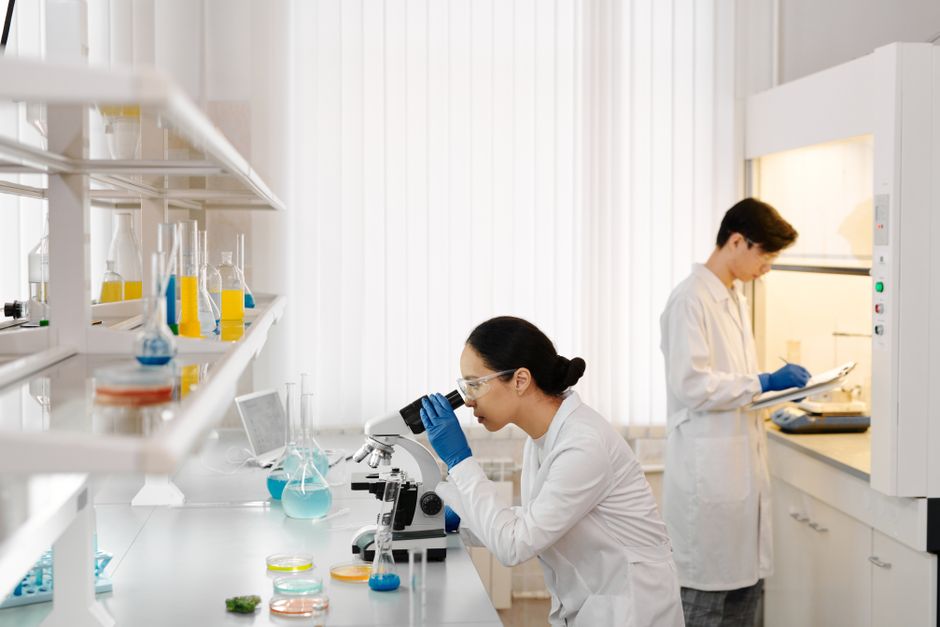
- Scientists have successfully created synthetic cells using lab-made DNA, marking a significant step towards creating artificial life forms.
- These synthetic cells have demonstrated the complete cell cycle of growth, genetic replication, and splitting to produce the next generation.
- The breakthrough has the potential to revolutionize various industries, including pharmaceuticals, agriculture, and energy.
- Synthetic cells made from chemical compounds have shown the ability to feed, grow, and multiply, exhibiting characteristics similar to living organisms.
- The achievement brings scientists closer to creating life from scratch and could lead to the creation of artificial organisms that can perform specific functions.
Researchers at a prominent institution have successfully created synthetic cells using lab-made DNA, marking a significant step towards creating artificial life forms. These tiny, quivering spheres, designed to feed and multiply, have demonstrated the complete cell cycle of growth, genetic replication, and splitting to produce the next generation. This breakthrough raises the prospect of artificial organisms being used to produce drugs, food, and fuel, and has the potential to revolutionize various industries.
Current State of Synthetic Cell Research

The synthetic cells, made from chemical compounds, are believed to be the first to demonstrate the complete cell cycle. This achievement is the result of years of research and experimentation, and it brings scientists closer to creating life from scratch. The cells, although primitive, have shown the ability to feed, grow, and multiply in a dish, exhibiting characteristics similar to those of living organisms. This development has significant implications for the field of synthetic biology and could potentially lead to the creation of artificial organisms that can perform specific functions.
History of Synthetic Biology

The concept of synthetic biology has been around for decades, with scientists attempting to create artificial life forms using various methods. However, the creation of synthetic cells using lab-made DNA is a relatively recent development. The field of synthetic biology has evolved significantly over the years, with advancements in genetic engineering and biotechnology playing a crucial role in the creation of artificial life forms. The idea of creating life from scratch has fascinated scientists and researchers for centuries, and this breakthrough brings us closer to achieving that goal.
Key Players in Synthetic Cell Research

The researchers involved in this project are part of a larger community of scientists working on synthetic biology. Their motivations for creating artificial life forms are diverse, ranging from the potential to produce new drugs and therapies to the possibility of creating sustainable food sources. The team behind this breakthrough is composed of experts from various fields, including biology, chemistry, and genetics. Their work is driven by the desire to push the boundaries of what is possible in the field of synthetic biology and to explore the potential applications of artificial life forms.
Consequences of Synthetic Cell Creation

The creation of synthetic cells using lab-made DNA has significant implications for various industries, including pharmaceuticals, agriculture, and energy. The potential to produce artificial organisms that can perform specific functions, such as producing drugs or biofuels, could revolutionize the way we approach these industries. However, the creation of artificial life forms also raises ethical concerns, such as the potential for unintended consequences or the misuse of this technology. As researchers continue to explore the possibilities of synthetic biology, it is essential to consider the potential consequences of their work and to ensure that it is done in a responsible and regulated manner.
The Bigger Picture
The creation of synthetic cells using lab-made DNA is a significant step towards creating artificial life forms, but it is also part of a larger conversation about the potential of synthetic biology. As scientists continue to push the boundaries of what is possible in this field, it is essential to consider the broader implications of their work. The potential to create artificial organisms that can perform specific functions could have far-reaching consequences, from the production of new drugs and therapies to the creation of sustainable food sources. For more information on synthetic biology, visit the Wikipedia page on synthetic biology or the Nature article on the latest developments in the field.
The creation of synthetic cells using lab-made DNA is a significant breakthrough, but it is only the beginning. As researchers continue to explore the possibilities of synthetic biology, it is essential to consider the potential consequences of their work and to ensure that it is done in a responsible and regulated manner. What comes next will depend on the continued advancement of this technology and the development of new applications for artificial life forms. As scientists push the boundaries of what is possible, we can expect to see significant developments in the field of synthetic biology, and it will be exciting to see where this technology takes us.
Source: The Guardian