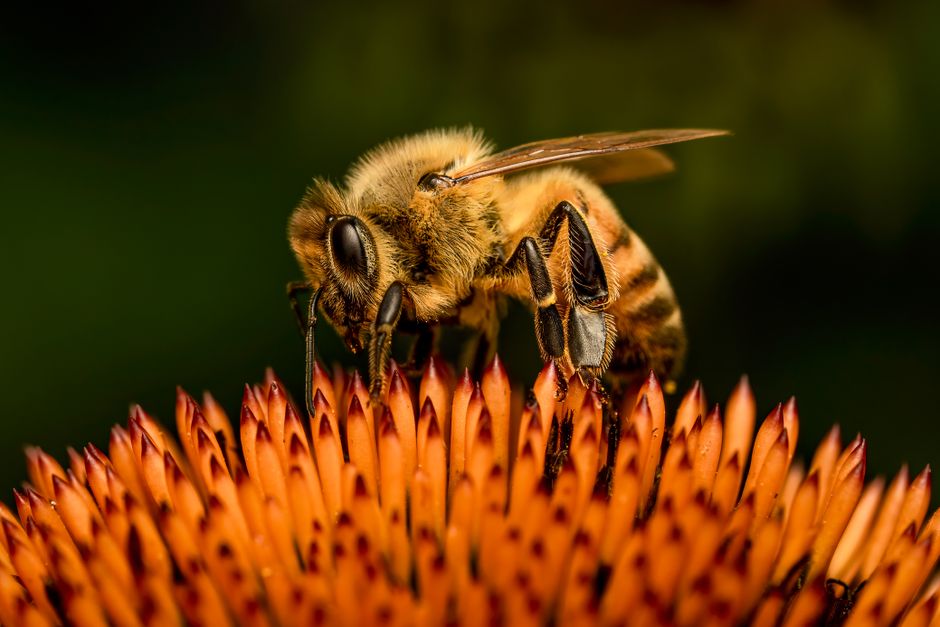
- Symbiosis is crucial for the survival of many species, highlighting the importance of organisms working together.
- Mutualistic relationships between plants and fungi, as well as commensal relationships between animals and their environments, are essential for maintaining ecosystem balance.
- Symbiosis plays a vital role in promoting biodiversity and the health of our oceans.
- The concept of symbiosis has been studied for centuries, with early scientists recognizing its importance in nature.
- Understanding symbiosis can help us better appreciate the interconnectedness of our ecosystem.
Science journalist Rowan Hooper joins the conversation to discuss the significance of symbiosis, highlighting the importance of organisms working together to build a thriving world. As reported in a recent Nature article, this phenomenon is crucial for the survival of many species. With a deeper understanding of symbiosis, we can better appreciate the interconnectedness of our ecosystem and the role that co-operation plays in shaping our planet.
The Current State of Symbiosis

Currently, scientists are exploring the various forms of symbiosis that exist in nature, from mutualistic relationships between plants and fungi to commensal relationships between animals and their environments. Research has shown that these interactions are essential for maintaining the balance of ecosystems and promoting biodiversity. For instance, the relationship between coral and zooxanthellae is a prime example of symbiosis, where the coral provides shelter and the zooxanthellae produce nutrients through photosynthesis. This complex interplay is vital for the health of our oceans and the many species that depend on them.
A Historical Perspective on Symbiosis

The concept of symbiosis has been studied for centuries, with early scientists recognizing the importance of co-operation in nature. However, it wasn’t until the 19th century that the term ‘symbiosis’ was coined, and since then, our understanding of this phenomenon has grown significantly. From the discovery of mycorrhizal networks to the exploration of symbiotic relationships in the human microbiome, research has continually highlighted the vital role that co-operation plays in the natural world. By examining the history of symbiosis, we can gain a deeper appreciation for the complex relationships that exist between organisms and their environments.
The Key Players in Symbiosis

Scientists like Rowan Hooper are at the forefront of symbiosis research, working to uncover the intricacies of co-operative relationships in nature. Their motivations stem from a desire to understand the fundamental principles that govern the natural world and to apply this knowledge to address pressing environmental issues. By studying symbiosis, researchers can develop new strategies for conservation, improve our understanding of ecosystem dynamics, and ultimately work towards creating a more sustainable future. The work of these scientists is crucial for advancing our knowledge of symbiosis and its importance in the world.
Consequences of Symbiosis

The consequences of symbiosis are far-reaching, with impacts on ecosystems, biodiversity, and even human health. As we continue to face environmental challenges like climate change and habitat destruction, understanding the importance of co-operation in nature is crucial. By recognizing the value of symbiotic relationships, we can work to preserve and protect these interactions, ultimately promoting a healthier and more resilient planet. For instance, the loss of symbiotic relationships between plants and pollinators can have devastating effects on food production and ecosystem stability, highlighting the need for conservation efforts that prioritize co-operation.
The Bigger Picture
In the broader context, symbiosis serves as a powerful reminder of the interconnectedness of our world. As we strive to address global challenges, recognizing the importance of co-operation and mutualism can inform our approach to problem-solving. By embracing the principles of symbiosis, we can develop more effective strategies for conservation, sustainability, and environmental stewardship. This, in turn, can lead to a deeper appreciation for the natural world and our place within it, ultimately inspiring a new era of co-operation and collaboration.
As we move forward, it is essential to continue exploring the complexities of symbiosis and its role in shaping our world. By supporting research and conservation efforts, we can work towards a future where co-operation and mutualism are valued and prioritized. As Rowan Hooper’s work demonstrates, the study of symbiosis has the potential to inspire a new generation of scientists, conservationists, and environmental stewards, ultimately leading to a more sustainable and thriving planet.
Source: Nature