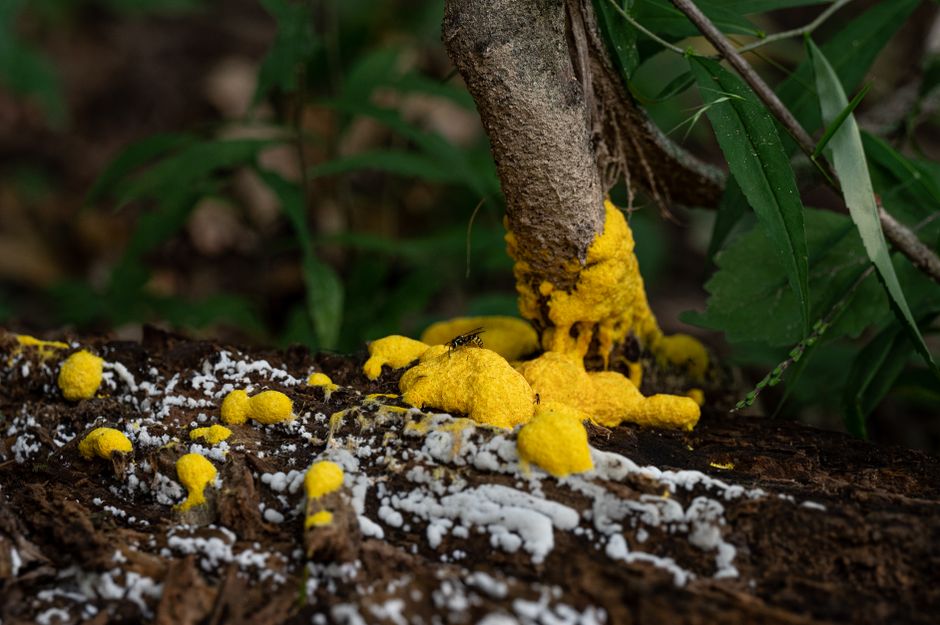
- Fungi play a critical role in ecosystems, affecting nutrient cycling, soil formation, and plant protection.
- Excluding fungi from environmental impact assessments can lead to inaccurate evaluations of ecosystem health and resilience.
- Mycorrhizal fungi form symbiotic relationships with plant roots, enhancing nutrient uptake and improving plant growth.
- Fungi have potential applications in bioremediation, breaking down pollutants like heavy metals and pesticides.
- Incorporating fungi in impact assessments can significantly improve the accuracy of ecosystem evaluations.
Scientists are urging the inclusion of fungi in environmental impact assessments due to their critical role in ecosystems. Fungi, such as mushrooms and molds, are often overlooked in evaluations, but they play a vital part in decomposing organic matter and forming symbiotic relationships with plants. The exclusion of fungi from impact assessments can lead to inaccurate evaluations of ecosystem health and resilience, highlighting the need for a more comprehensive approach to environmental evaluations.
The Importance of Fungi in Ecosystems

Research has shown that fungi are essential components of ecosystems, providing various benefits such as nutrient cycling, soil formation, and plant protection. For example, mycorrhizal fungi form symbiotic relationships with plant roots, enhancing nutrient uptake and improving plant growth. Additionally, fungi like oyster mushrooms have been found to have potential applications in bioremediation, breaking down pollutants like heavy metals and pesticides. According to a study published in Nature, the inclusion of fungi in impact assessments can significantly improve the accuracy of ecosystem evaluations.
Key Players in Fungal Research

Several key players are involved in fungal research, including scientists, policymakers, and conservationists. Organizations like the World Health Organization and the Centers for Disease Control and Prevention are working to raise awareness about the importance of fungi in ecosystems. Researchers are also collaborating with governments and industries to develop more effective methods for including fungi in impact assessments and promoting sustainable practices.
Trade-Offs and Challenges

While including fungi in impact assessments is crucial, there are also trade-offs and challenges to consider. For example, the cost of incorporating fungi into assessments can be high, requiring specialized expertise and equipment. Additionally, the complexity of fungal ecology can make it difficult to develop accurate models and predictions. However, the benefits of including fungi in assessments, such as improved ecosystem resilience and biodiversity, outweigh the costs and challenges, highlighting the need for continued research and development in this area.
Timing and Opportunities

The inclusion of fungi in impact assessments is particularly important now, as the world faces increasing environmental challenges like climate change and biodiversity loss. The United Nations Environment Programme has emphasized the need for a more holistic approach to environmental evaluations, recognizing the critical role of fungi in ecosystems. As scientists and policymakers work to develop more effective methods for including fungi in assessments, there are opportunities for innovation and collaboration, driving progress towards a more sustainable future.
Where We Go From Here
Over the next 6-12 months, there are several potential scenarios for the inclusion of fungi in impact assessments. One scenario is the development of new methods and tools for incorporating fungi into assessments, such as advanced modeling techniques and DNA sequencing technologies. Another scenario is the increased adoption of fungal-based approaches in conservation and sustainability efforts, such as using mycorrhizal fungi to enhance ecosystem resilience. A third scenario is the growth of international collaboration and knowledge-sharing, driving progress towards a more comprehensive understanding of fungal ecology and its applications in environmental impact assessments.
In conclusion, the inclusion of fungi in environmental impact assessments is critical for accurate evaluations of ecosystem health and resilience. As scientists, policymakers, and conservationists work together to develop more effective methods for including fungi in assessments, we can expect to see significant progress towards a more sustainable future, with improved ecosystem resilience, biodiversity, and human well-being.
Source: Nature