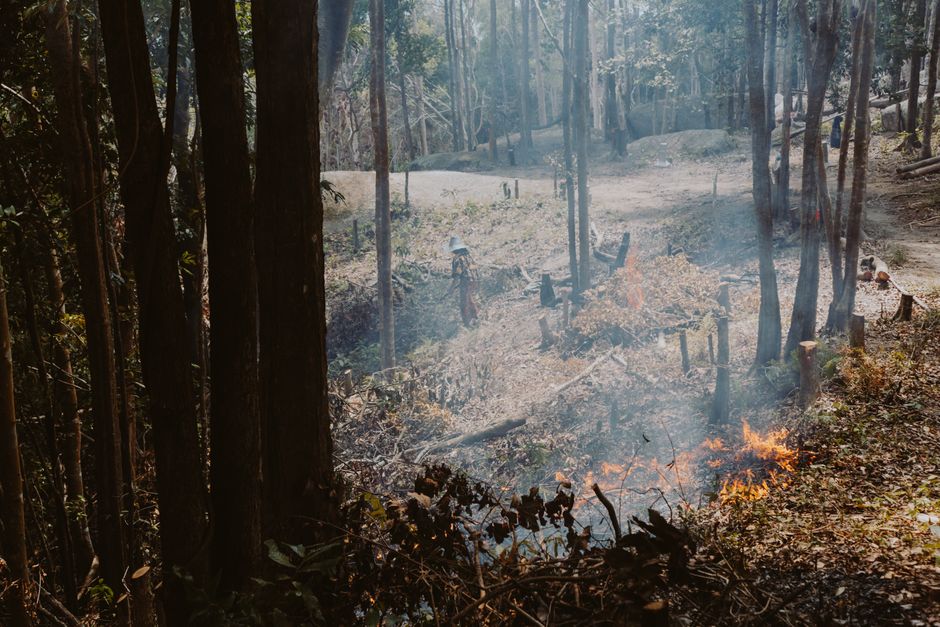
- Researchers found that controlled forest fires can decrease harmful particles in the air, reducing exposure to air pollution.
- Controlled burns in California reduced particulate matter in the air, leading to improved human health outcomes.
- The study’s findings challenge conventional wisdom that all forest fires are detrimental to human health.
- Controlled forest fires can have a positive impact on human health, particularly for individuals with pre-existing respiratory conditions.
- A thorough analysis of data from various sources supported the study’s conclusions on the benefits of controlled burns.
Researchers at Nature have published a study suggesting that controlled forest fires may have a net positive effect on human health by reducing exposure to blaze-related air pollution. The analysis, which focused on wildfires in California, found that controlled burns can decrease the amount of harmful particles in the air. This discovery is significant, as it challenges the conventional wisdom that all forest fires are detrimental to human health.
The Evidence for Controlled Burns

The study, published online on June 17, 2026, analyzed data from wildfires in California and found that controlled forest fires can reduce the amount of particulate matter in the air. According to the research, this reduction in air pollution can have a positive impact on human health, particularly for individuals with pre-existing respiratory conditions. The study’s findings are based on a thorough analysis of data from various sources, including Nature and other reputable scientific journals.
The Key Players in Forest Fire Management

The management of forest fires involves a complex array of stakeholders, including government agencies, environmental organizations, and local communities. In California, the US Forest Service and the California Department of Forestry and Fire Protection play critical roles in preventing and responding to wildfires. Additionally, organizations such as the Nature Conservancy are working to promote sustainable forest management practices, including controlled burns. These stakeholders must balance the need to protect human health and the environment with the need to manage forests in a way that is sustainable and effective.
The Trade-Offs of Controlled Forest Fires

While controlled forest fires may have benefits for human health, they also involve significant trade-offs. For example, controlled burns can be expensive and resource-intensive, requiring significant investments of time and money. Additionally, there is always a risk that controlled fires can escape and cause unintended damage. However, the study’s findings suggest that the benefits of controlled burns may outweigh the costs, particularly in terms of reducing exposure to air pollution. As CDC notes, air pollution is a major public health concern, and reducing exposure to particulate matter can have significant health benefits.
The Timing of Controlled Forest Fires

The timing of controlled forest fires is critical, as it can have a significant impact on their effectiveness. In California, the dry season typically runs from May to October, and controlled burns are often conducted during this time to reduce the risk of wildfires. However, the study’s findings suggest that controlled burns may be most effective when they are conducted in the spring or fall, when the weather is cooler and the risk of escape is lower. As the NASA notes, climate change is altering the timing and severity of wildfires, making it essential to develop effective strategies for managing forest fires.
Where We Go From Here
Looking ahead, there are several possible scenarios for the management of forest fires in California. One scenario is that controlled burns become a more widely accepted practice, particularly in areas with high fire risk. Another scenario is that new technologies, such as drones or satellite imaging, are developed to help manage and prevent wildfires. A third scenario is that climate change continues to exacerbate the risk of wildfires, making it essential to develop more effective strategies for managing forest fires. In any case, the study’s findings highlight the need for a nuanced approach to forest fire management, one that takes into account the complex interplay of factors involved.
In conclusion, the study’s findings suggest that controlled forest fires may have a net positive effect on human health, particularly in terms of reducing exposure to air pollution. As policymakers and stakeholders consider the implications of this research, they must weigh the benefits and trade-offs of controlled burns, taking into account the complex array of factors involved. Ultimately, a balanced approach to forest fire management is essential for protecting human health and the environment, while also promoting sustainable forest management practices.
Source: Nature