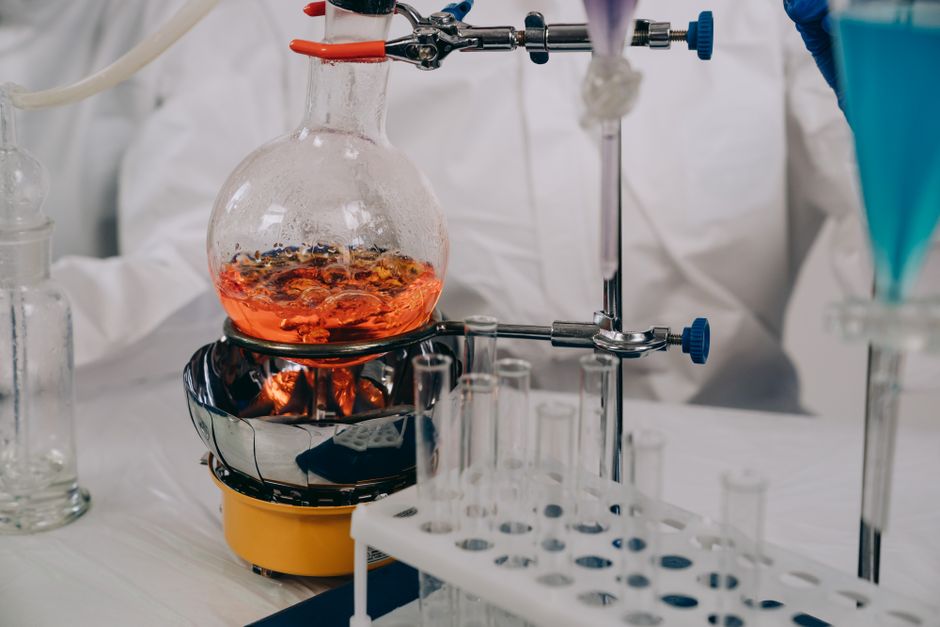
- Researchers have developed a new method for synthesizing C-glycosides through radical cross-coupling of glycohydrazides.
- The discovery overcomes previous limitations in C-glycoside synthesis, offering a more efficient and versatile pathway.
- The new approach allows for the direct formation of C-glycosidic bonds under mild conditions.
- Glycohydrazides are carefully designed precursors that play a crucial role in the synthesis of C-glycosides.
- The breakthrough has the potential to expand the possibilities for the creation of complex carbohydrates with various applications.
Researchers have made a significant breakthrough in the field of glycochemistry with the development of a new method for synthesizing C-glycosides through radical cross-coupling of glycohydrazides. This innovative approach, published in the journal Nature, has the potential to expand the possibilities for the creation of complex carbohydrates, which play a crucial role in various biological processes. The discovery is particularly noteworthy as it overcomes previous limitations in C-glycoside synthesis, offering a more efficient and versatile pathway for glycochemists.
Current State of C-glycoside Synthesis

The current state of C-glycoside synthesis is marked by complexity and inefficiency, with traditional methods often requiring multiple steps and yielding low productivity. The radical cross-coupling of glycohydrazides presents a significant improvement, allowing for the direct formation of C-glycosidic bonds under mild conditions. This breakthrough has been achieved through the careful design of glycohydrazide precursors and the optimization of reaction conditions, highlighting the power of modern organic chemistry in addressing long-standing challenges. As researchers continue to refine this method, it is expected to have a profound impact on the field of glycochemistry, enabling the synthesis of a wider range of C-glycosides with potential applications in medicine, materials science, and beyond.
Historical Context of Glycochemistry Research

The journey to this breakthrough in C-glycoside synthesis via radical cross-coupling of glycohydrazides has been long and arduous, reflecting the inherent complexities of carbohydrate chemistry. Historically, glycochemists have faced significant challenges in synthesizing complex carbohydrates due to the numerous hydroxyl groups present in these molecules, which can lead to a plethora of unwanted side reactions. Over the years, researchers have developed various strategies to overcome these challenges, including the use of protecting groups and the development of stereoselective glycosylation methods. However, the synthesis of C-glycosides has remained particularly elusive, with previous methods often suffering from low yields and limited substrate scope. The radical cross-coupling approach represents a paradigm shift in this area, leveraging the unique reactivity of glycohydrazides to forge C-glycosidic bonds with unprecedented efficiency.
Key Players and Motivations

The breakthrough in C-glycoside synthesis is the result of collaborative efforts between researchers from various disciplines, including organic chemistry, glycochemistry, and materials science. The team, motivated by the potential of complex carbohydrates to address pressing challenges in fields such as medicine and biotechnology, has been driven by a desire to push the boundaries of what is possible in glycochemistry. By developing more efficient and versatile methods for synthesizing C-glycosides, these researchers aim to enable the creation of novel therapeutic agents, vaccines, and materials that can improve human health and quality of life. Their work is also inspired by the intricate roles that carbohydrates play in biological systems, from cell-cell recognition to the modulation of immune responses, highlighting the vast and largely untapped potential of glycochemistry to transform our understanding of biology and to develop innovative solutions for societal challenges.
Consequences and Implications

The successful development of a method for C-glycoside synthesis via radical cross-coupling of glycohydrazides has far-reaching implications for various stakeholders, including researchers, pharmaceutical companies, and patients. For researchers, this breakthrough opens up new avenues for exploring the biological functions of complex carbohydrates and for developing novel glycoconjugate-based therapies. Pharmaceutical companies stand to benefit from the potential to create more effective and targeted therapeutic agents, while patients may ultimately gain access to new treatments for diseases that are currently difficult to manage. Moreover, the advancement of glycochemistry through this research contributes to a broader understanding of the roles that carbohydrates play in health and disease, underscoring the importance of continued investment in basic and applied research in this field.
The Bigger Picture
The achievement of C-glycoside synthesis through radical cross-coupling of glycohydrazides fits into a larger narrative of scientific progress and innovation. It reflects the power of interdisciplinary research and the importance of challenging conventional wisdom in the pursuit of knowledge. As scientists continue to explore the frontiers of glycochemistry, they are not only advancing our understanding of complex biological systems but are also developing new tools and methodologies that can be applied across a wide range of fields. This research, by pushing the boundaries of what is possible in carbohydrate synthesis, inspires a new generation of scientists and underscores the potential of basic research to drive technological innovation and to address some of the most pressing challenges facing humanity.
In conclusion, the breakthrough in C-glycoside synthesis via radical cross-coupling of glycohydrazides marks an exciting milestone in the field of glycochemistry, with significant implications for research, industry, and human health. As this technology continues to evolve, it will be important to watch for its applications in the development of novel therapeutic agents, materials, and diagnostic tools. Furthermore, the success of this research highlights the importance of continued support for basic and applied research in glycochemistry, a field that holds tremendous promise for improving our understanding of biological systems and for driving innovation in the years to come. For more information on the latest developments in glycochemistry and its applications, readers can visit Nature and other authoritative sources such as NCBI.
Source: Nature