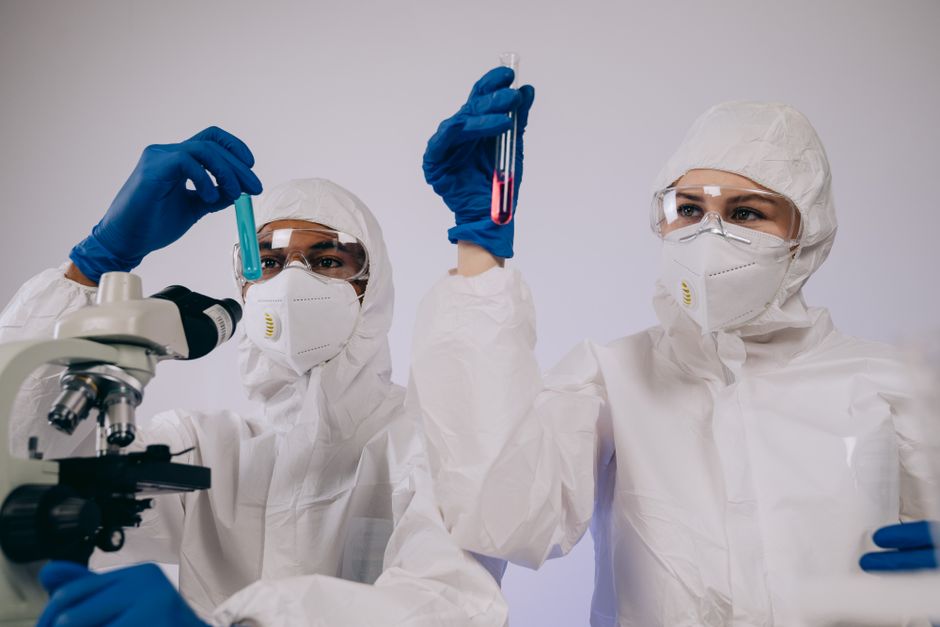
The World Health Organization (WHO) has reported a significant surge in Ebola cases in recent weeks, prompting scientists to expedite trials for several experimental treatments that have shown promise in preliminary studies against the Bundibugyo virus. The current outbreak, which has affected multiple countries in Africa, has highlighted the urgent need for effective treatments to combat this deadly disease. With the number of cases continuing to rise, the international community is closely watching the progress of these trials, which could potentially save thousands of lives.
Background and Context

The Ebola outbreak has been a major public health concern for decades, with periodic flare-ups causing widespread devastation in affected communities. The Bundibugyo virus, in particular, has been responsible for some of the most severe outbreaks, with mortality rates ranging from 25% to 50%. Despite significant advances in our understanding of the disease, treatment options remain limited, and the development of effective therapies has been hindered by a lack of investment and infrastructure in affected regions. However, with the current outbreak sparking renewed interest and investment, scientists are hopeful that they can finally make significant progress in the fight against Ebola.
Key Developments and Players

Several pharmaceutical companies and research institutions are involved in the ongoing trials, which are being conducted in collaboration with local health authorities and international organizations such as the WHO and the Centers for Disease Control and Prevention (CDC). The experimental treatments being tested include a range of antiviral drugs, immunotherapies, and vaccine candidates, each with its own unique mechanism of action and potential benefits. Some of the most promising candidates have already shown encouraging results in early-stage trials, and scientists are eager to see how they perform in larger, more rigorous studies. As the trials progress, researchers will be closely monitoring the safety and efficacy of these treatments, with the goal of identifying the most effective options for patients.
Analysis and Insights

Experts believe that the current outbreak has created a unique opportunity for scientists to test new treatments and vaccines, which could potentially lead to major breakthroughs in the fight against Ebola. The use of experimental therapies, such as Ebola vaccines, has already shown promise in reducing transmission rates and saving lives. Furthermore, advances in diagnostic technologies and epidemiological surveillance have enabled researchers to track the spread of the disease more effectively, allowing for more targeted and efficient deployment of resources. As the international community continues to grapple with the challenges posed by Ebola, the ongoing trials offer a glimmer of hope that a more effective response may be on the horizon.
Implications and Consequences

The success of these trials could have far-reaching implications for global health security, particularly in regions where Ebola is endemic. Effective treatments and vaccines could not only save thousands of lives but also help to reduce the economic and social burden of the disease, which can have devastating effects on local communities and economies. Moreover, the development of new therapies could also have spin-off benefits for the treatment of other infectious diseases, highlighting the importance of continued investment in medical research and development. As the world watches the progress of these trials, there is a growing sense of urgency and anticipation, with many hoping that a major breakthrough may be just around the corner.
Expert Perspectives
According to Dr. Margaret Harris, a leading expert on infectious diseases at the WHO, “the current outbreak has highlighted the need for a more concerted effort to develop effective treatments and vaccines against Ebola.” She adds that “the ongoing trials offer a unique opportunity for scientists to test new therapies and vaccines, which could potentially lead to major breakthroughs in the fight against this deadly disease.” In contrast, some experts have expressed caution, noting that the development of effective treatments is a complex and challenging process that requires careful evaluation and testing. Despite these differing perspectives, there is a broad consensus that the current outbreak has created a critical moment for the global health community to come together and address the ongoing threat posed by Ebola.
Looking ahead, the next few months will be critical in determining the success of these trials and the potential impact on the ongoing outbreak. As researchers continue to monitor the progress of the experimental treatments, the international community will be watching with bated breath, hoping that a major breakthrough may be on the horizon. With the number of cases continuing to rise, the need for effective treatments has never been more urgent, and the world will be eagerly awaiting news of any significant developments in the fight against Ebola. For more information on the current outbreak and the ongoing response efforts, readers can visit the CDC website or the WHO website.
Source: The New York Times