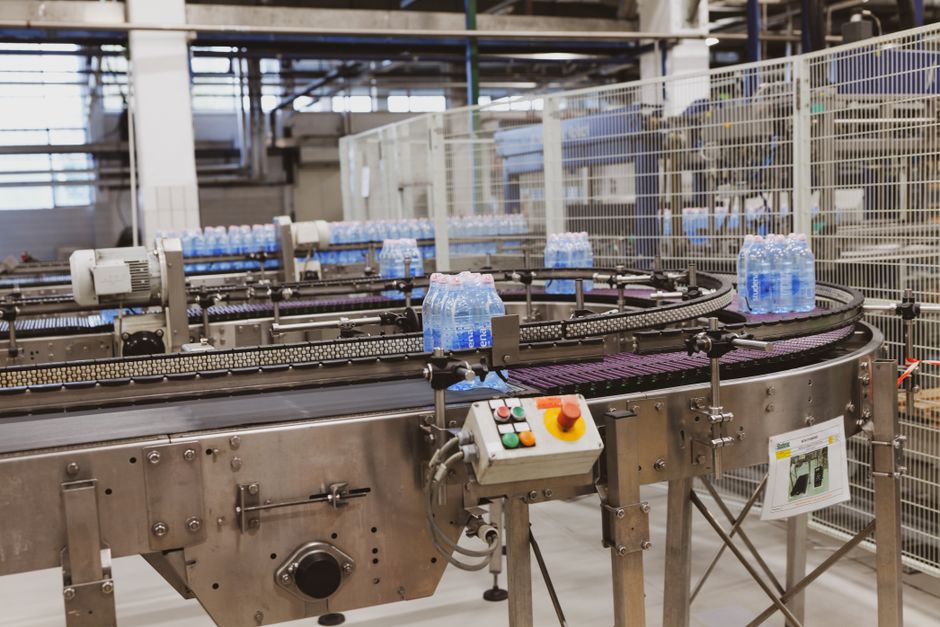
- Ultra-processed foods are made unhealthy not just by their ingredients, but also by how they’re manufactured.
- High-temperature processing and certain additives in ultra-processed foods can lead to the formation of toxic compounds.
- The manufacturing process of ultra-processed foods may contribute to their negative effects on human health.
- Ultra-processed foods often contain a mix of ingredients, including added sugars, preservatives, and flavor enhancers.
- The study highlights the importance of considering the entire production process of ultra-processed foods, not just their ingredients.
What makes ultra-processed foods unhealthy: is it what’s in them or how they’re made? A recent study suggests that the manufacturing process of these foods may be just as important as their ingredients when it comes to their impact on human health. As consumers, we’ve long been warned about the dangers of ultra-processed foods, which are often high in added sugars, salt, and unhealthy fats. However, this new research indicates that the way these foods are produced may be contributing to their negative effects on our health.
Understanding Ultra-Processed Foods

Ultra-processed foods are those that have been significantly altered from their natural state through various manufacturing processes. These foods often contain a mix of ingredients, including added sugars, preservatives, and flavor enhancers, which are combined and transformed into a final product. The study in question found that the manufacturing processes used to produce ultra-processed foods, such as high-temperature processing and the use of certain additives, can have negative impacts on human health. For example, high-temperature processing can lead to the formation of potentially toxic compounds, while certain additives have been linked to an increased risk of chronic diseases.
The Evidence Behind the Study

The study, which was published in a reputable scientific journal, analyzed data from numerous sources, including National Institutes of Health studies and World Health Organization reports. The researchers found a significant correlation between the consumption of ultra-processed foods and an increased risk of chronic diseases, such as obesity, diabetes, and heart disease. The study also highlighted the importance of considering the manufacturing process of ultra-processed foods, rather than just their ingredients, when assessing their impact on human health. As Dr. Marion Nestle, a renowned expert in the field of nutrition, notes, “The way food is processed can have a significant impact on its nutritional content and potential health effects.”
Counter-Perspectives and Criticisms

Not everyone agrees with the study’s findings, and some argue that the research is incomplete or flawed. Some critics argue that the study fails to account for other factors that may contribute to the negative health effects associated with ultra-processed foods, such as socioeconomic status or overall diet quality. Others argue that the study’s conclusions are too broad and that not all ultra-processed foods are created equal. For example, some ultra-processed foods, such as whole grain cereals or frozen fruits and vegetables, may be healthier than others, such as sugary snacks or processed meats. However, the study’s authors maintain that their research provides valuable insights into the potential health risks associated with ultra-processed foods and the importance of considering their manufacturing process.
Real-World Impact

The study’s findings have significant implications for public health policy and consumer behavior. If the manufacturing process of ultra-processed foods is indeed contributing to their negative health effects, then regulatory agencies and food manufacturers may need to re-examine their production methods and ingredient lists. Consumers, too, may need to be more mindful of the foods they purchase and consume, opting for whole, minimally processed foods whenever possible. As the Centers for Disease Control and Prevention notes, “A healthy diet can help reduce the risk of chronic diseases and improve overall health.”
What This Means For You
So, what can you do to minimize your exposure to potentially unhealthy ultra-processed foods? Start by reading food labels carefully and opting for whole, minimally processed foods whenever possible. Choose foods that are rich in fruits, vegetables, whole grains, and lean protein sources, and limit your consumption of sugary snacks and processed meats. By making informed food choices, you can help reduce your risk of chronic diseases and improve your overall health. As the Healthline website notes, “Eating a healthy diet is one of the most important things you can do to protect your health.”
As we continue to learn more about the impact of ultra-processed foods on our health, we may need to ask more questions about the manufacturing process and its potential effects on human health. What other factors contribute to the negative health effects associated with ultra-processed foods? How can food manufacturers and regulatory agencies work together to create healthier, more sustainable food options? By exploring these questions and seeking answers, we can work towards creating a healthier food system that promotes the well-being of individuals and communities alike.
Source: Healthline