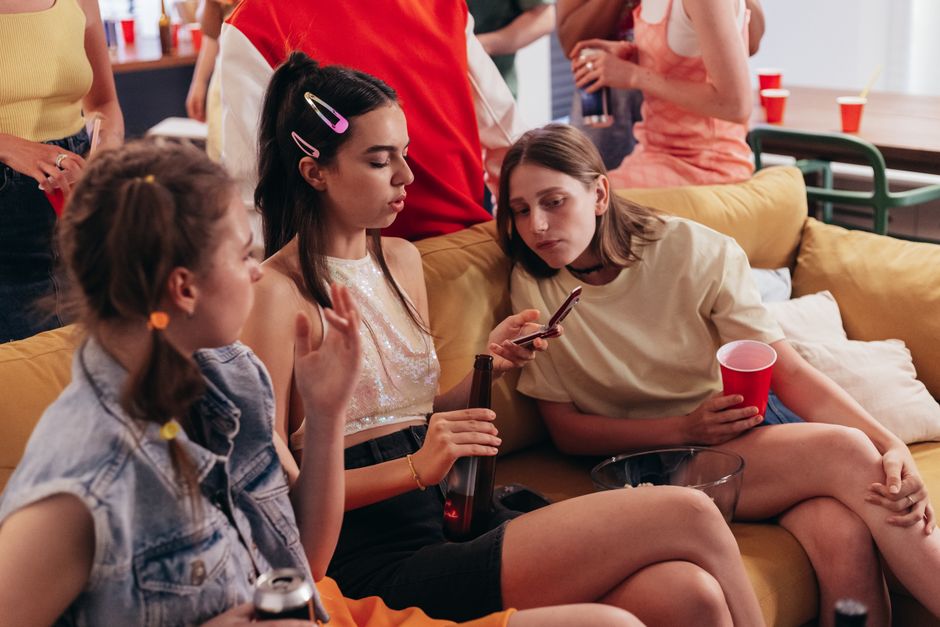
- The rise of social media has created a vastly different online landscape for today’s teenagers compared to previous generations.
- Viral moments can have a lasting impact on a teenager’s online reputation and mental well-being.
- The historical context of social media plays a significant role in understanding the challenges faced by today’s teenagers online.
- Social media platforms have evolved to prioritize user engagement, making it easier for content to go viral and spread quickly.
- Teenagers must be cautious about what they share online, as it can be difficult to control how content is perceived and shared.
The advent of social media has revolutionized the way we interact, share, and present ourselves to the world. For those who grew up in the early 2000s, the experience of being a teenager was vastly different from what it is today. I recently took a trip down memory lane, revisiting my digital past, and was struck by the realisation that I am lucky to not be young and online today. Twenty years ago, I briefly became the victim of a viral pile-on – all because of a silly YouTube video – but I’m glad I had the chance to embarrass myself and move on.
The Viral Moment That Could Have Defined Me

In the summer of 2006, my friends and I decided to film ourselves singing along to our favourite song. We were carefree, energetic, and utterly ridiculous, jumping up and down, headbanging, and confessing our undying love for the music. The video was uploaded to YouTube, and before we knew it, it had gone viral. We were inundated with comments, both positive and negative, but thankfully, the attention was short-lived. The video was soon forgotten, and we were able to move on with our lives, a little wiser and more cautious about what we shared online.
A Brief History of Social Media

To understand the significance of my experience, it’s essential to look at the historical context of social media. In the early 2000s, platforms like MySpace, Facebook, and YouTube were still in their infancy. The online landscape was vastly different, with fewer users, less content, and a more innocent, experimental atmosphere. As social media evolved, so did the way we interacted with each other and presented ourselves online. The rise of Instagram, Twitter, and TikTok has created a culture of curated perfection, where users feel pressure to present a flawless online persona.
The Key Players in the Online World

So, who are the people shaping this online world, and what are their motivations? The answer is complex, involving a mix of individuals, corporations, and governments. Social media companies, driven by the pursuit of profits and user engagement, have created algorithms that prioritise sensational content, often at the expense of users’ mental health and well-being. Influencers, seeking to build their personal brands, often promote unrealistic beauty standards, materialism, and consumerism. Meanwhile, governments and regulatory bodies are struggling to keep up with the rapid evolution of social media, trying to balance freedom of expression with the need to protect users from harm.
The Consequences of Online Life

The consequences of growing up online today are far-reaching and profound. Cyberbullying, online harassment, and the pressure to conform to unrealistic standards can have devastating effects on mental health, self-esteem, and relationships. The constant need for validation, the fear of missing out (FOMO), and the blurring of boundaries between reality and virtual reality can lead to a sense of disconnection, anxiety, and loneliness. As a society, we need to acknowledge these risks and take steps to mitigate them, promoting healthy online habits, digital literacy, and a culture of empathy and kindness.
The Bigger Picture
The story of my brief viral moment and the changing online landscape serves as a reminder of the importance of responsible social media use and the need for a more nuanced understanding of the digital world. As we move forward, it’s essential to consider the long-term consequences of our online actions, to prioritize empathy, kindness, and authenticity, and to create a culture that values real human connections over virtual validation. By doing so, we can create a healthier, more compassionate online environment, where individuals can thrive, without the fear of online infamy or the pressure to present a perfect persona.
In conclusion, my journey into the digital past has given me a newfound appreciation for the challenges faced by today’s teenagers. As I look to the future, I am reminded of the importance of being mindful of our online presence, of promoting healthy social media habits, and of fostering a culture of kindness, empathy, and understanding. By working together, we can create a better online world, one that supports the well-being, dignity, and humanity of all users, regardless of age or background. For more information on this topic, visit the Guardian or the CDC for resources on mental health and online safety.
Source: The Guardian