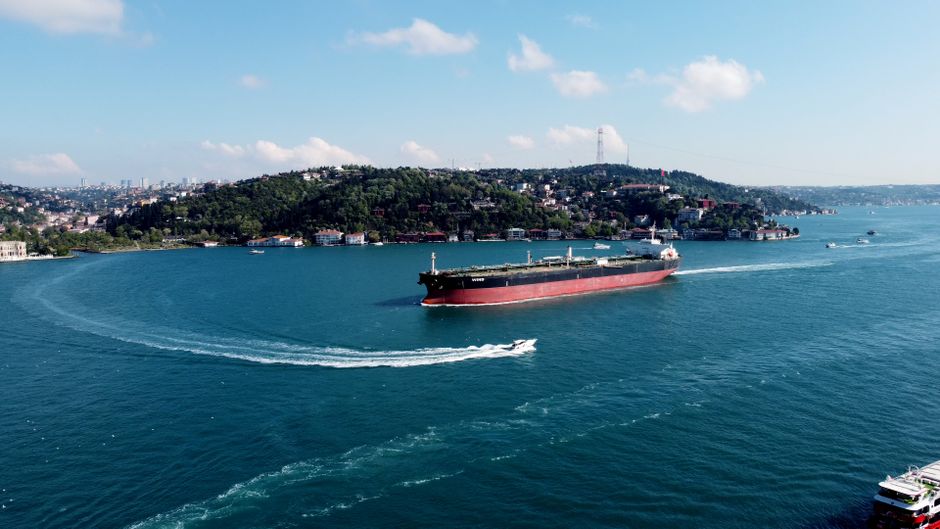
- A coalition of European countries, led by France and Britain, is sending ships to the Strait of Hormuz to ensure maritime security and stability.
- The Strait of Hormuz is a critical waterway, with nearly a third of the world’s oil passing through it, making it vital for global energy security.
- The coalition’s decision to send ships is a response to escalating tensions between Iran and Western countries in the region.
- The European coalition has been preparing for months, with minesweepers and other ships being readied to secure the area.
- The deployment is expected to happen soon, with the aim of preventing further escalation and ensuring safe passage of ships through the strait.
France and Britain are leading a coalition of European countries in sending ships to the Strait of Hormuz to secure the region and ensure maritime security. The move comes after months of preparation and planning, with the coalition aiming to provide stability to the area once the current fighting ends. The Strait of Hormuz is a critical waterway, with nearly a third of the world’s oil passing through it, making it a vital location for global energy security.
Current Situation in the Strait of Hormuz

The situation in the Strait of Hormuz has been volatile in recent months, with tensions between Iran and Western countries escalating. The coalition’s decision to send ships to the region is seen as a response to these tensions, with the aim of preventing any further escalation and ensuring the safe passage of ships through the strait. The coalition has been preparing for this moment for months, with minesweepers and other ships being readied to secure the area. The exact timing of the deployment is still uncertain, but it is expected to happen soon.
Historical Context of the Strait of Hormuz

The Strait of Hormuz has long been a critical location for global trade and energy security. The waterway has been an important route for oil tankers and other ships, with nearly a third of the world’s oil passing through it. However, the region has also been prone to tensions and conflict, with Iran and Western countries having a complex and often contentious relationship. The current situation is just the latest in a long history of tensions in the region, with the coalition’s decision to send ships to the Strait of Hormuz being the latest development in this ongoing story.
Key Players in the Coalition

The coalition being led by France and Britain includes several other European countries, all of which are committed to ensuring the security and stability of the Strait of Hormuz. The motivations behind the coalition’s decision to send ships to the region are varied, but all member countries are united in their desire to prevent further escalation and ensure the safe passage of ships through the strait. The coalition is being led by experienced military commanders, who will be responsible for overseeing the deployment of ships to the region and ensuring the success of the mission.
Consequences of the Coalition’s Decision

The consequences of the coalition’s decision to send ships to the Strait of Hormuz will be far-reaching, with the potential to impact global energy security and trade. The deployment of ships to the region will provide a visible deterrent to any potential aggressors, helping to prevent further escalation and ensure the safe passage of ships through the strait. However, the decision also carries risks, including the potential for miscalculation or accident, which could lead to further conflict. The coalition will need to be careful in its deployment of ships to the region, taking care to avoid any actions that could be seen as provocative or aggressive.
The Bigger Picture
The coalition’s decision to send ships to the Strait of Hormuz is part of a broader effort to ensure global security and stability. The move is seen as a response to the increasingly complex and interconnected nature of global politics, with the need for collective action to address common challenges. The coalition’s decision is also a testament to the enduring importance of international cooperation and diplomacy, with countries coming together to address a shared challenge and promote peace and stability.
The deployment of ships to the Strait of Hormuz is just the beginning, with the coalition facing a long and challenging road ahead. As the situation in the region continues to evolve, the coalition will need to remain vigilant and adaptable, responding to any changes or developments in a careful and considered manner. The coming weeks and months will be critical, with the coalition’s actions having the potential to shape the course of global events and promote peace and stability in the region. For more information on the Strait of Hormuz and its importance to global trade and energy security, visit the Wikipedia page on the Strait of Hormuz or the New York Times article on the coalition’s decision to send ships to the region.
Source: The New York Times