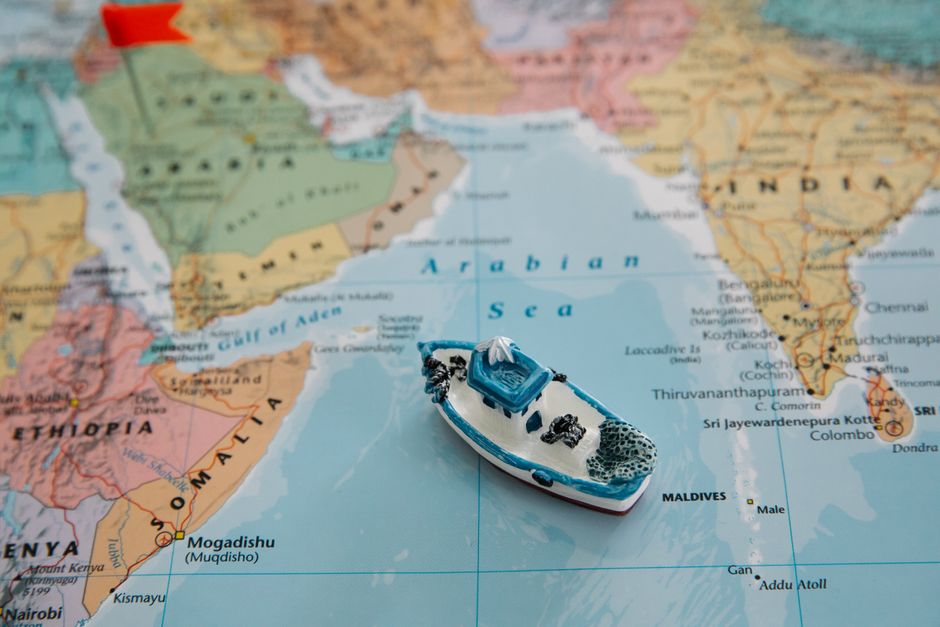
- Iran’s actions in the Strait of Hormuz risk isolating the country from the international community, potentially leading to severe economic consequences.
- The Strait of Hormuz is a critical waterway through which 20% of the world’s oil passes daily, making it a crucial chokepoint for global oil supplies.
- Disrupting shipping lanes in the Strait of Hormuz could lead to increased oil prices and reduced global economic growth, affecting economies worldwide.
- Iran’s threat to close the Strait of Hormuz in response to international sanctions could have catastrophic consequences for the global economy and oil markets.
- The conflict over the Strait of Hormuz has significant implications for global energy security and the stability of the region.
Iran’s recent actions in the Strait of Hormuz have raised concerns among the international community, with many warning that overplaying this card could lead to Tehran becoming a pariah state. The Strait of Hormuz is a critical waterway through which a significant portion of the world’s oil passes, and any disruption to shipping lanes could have severe economic consequences. As tensions escalate, Iran risks finding itself increasingly isolated from the rest of the world, with potentially devastating effects on its economy and people.
The Strategic Importance of the Strait of Hormuz

The Strait of Hormuz is one of the most strategically important waterways in the world, with approximately 20% of the world’s oil passing through it every day. Any disruption to shipping lanes could have severe economic consequences, including increased oil prices and reduced global economic growth. According to the International Energy Agency, the Strait of Hormuz is the world’s most important oil transit chokepoint, with over 17 million barrels of oil passing through it every day. The BBC has reported that Iran has threatened to close the Strait of Hormuz in response to international sanctions, which could have catastrophic consequences for the global economy.
Key Players in the Conflict

The conflict over the Strait of Hormuz involves several key players, including Iran, the United States, and other countries that rely on the waterway for oil imports. The United States has been critical of Iran’s actions in the region, and has imposed significant economic sanctions on the country in response. Other countries, such as China and the European Union, have also been drawn into the conflict, with some calling for calm and others supporting Iran’s position. According to Al Jazeera, Iran’s President has warned that the country will not be intimidated by international pressure, and will continue to assert its rights in the region.
The Risks and Opportunities of the Conflict

The conflict over the Strait of Hormuz poses significant risks and opportunities for all parties involved. On the one hand, a disruption to shipping lanes could have severe economic consequences, including increased oil prices and reduced global economic growth. On the other hand, the conflict could also provide opportunities for countries to diversify their energy sources and reduce their reliance on oil imports from the region. According to The New York Times, some countries are already exploring alternative energy sources, including renewable energy and natural gas, in response to the conflict.
The Timing of the Conflict

The timing of the conflict over the Strait of Hormuz is critical, as it comes at a time of significant uncertainty and instability in the region. The conflict in Yemen, the war in Syria, and the ongoing tensions between Iran and Saudi Arabia have all contributed to a sense of unease and instability in the region. According to AP News, the conflict over the Strait of Hormuz has the potential to escalate into a wider regional conflict, with potentially devastating consequences for the people of the region.
Where We Go From Here
Looking ahead to the next 6-12 months, there are several possible scenarios that could play out in the conflict over the Strait of Hormuz. One possible scenario is that Iran and the international community are able to reach a diplomatic solution, which would involve Iran standing down and allowing shipping lanes to remain open. Another possible scenario is that the conflict escalates, leading to a wider regional war and potentially devastating consequences for the people of the region. A third possible scenario is that the conflict leads to a significant shift in the global energy landscape, as countries seek to diversify their energy sources and reduce their reliance on oil imports from the region.
In conclusion, the conflict over the Strait of Hormuz poses significant risks and opportunities for all parties involved, and the outcome is far from certain. However, one thing is clear: if Iran continues to overplay its hand, it risks becoming a pariah state, isolated from the rest of the world and facing significant economic consequences.
Source: Al Jazeera