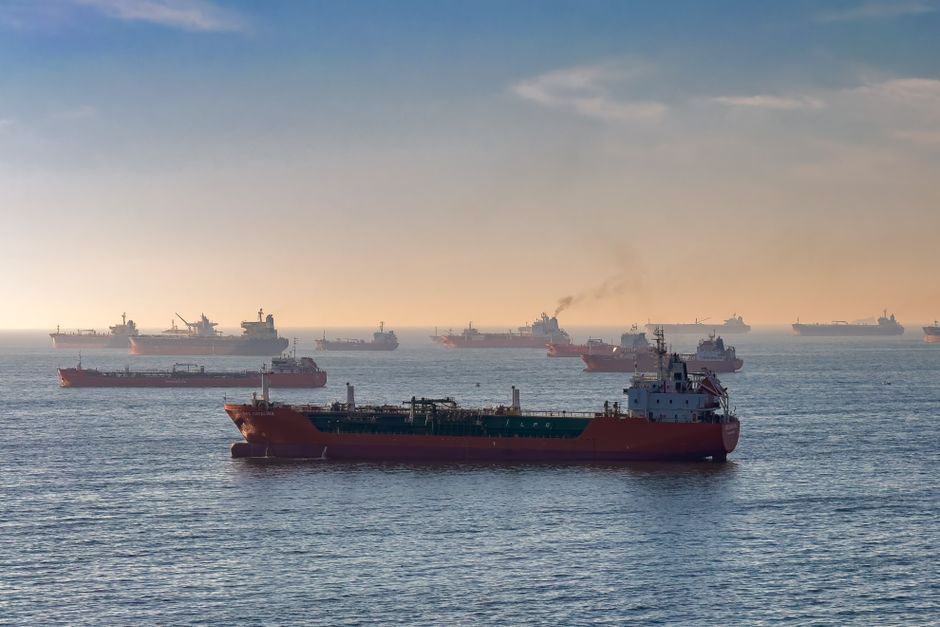
- US and Iran reached a tentative agreement on the Strait of Hormuz, with no tolls for an initial 60-day period.
- The agreement is a significant development in easing tensions between the US and Iran.
- The Strait of Hormuz is a critical shipping lane for global trade, with nearly a third of the world’s seaborne oil passing through it.
- The deal does not rule out future tolls, leaving room for uncertainty and potential disruptions to global trade.
- The US-Iran agreement is seen as a tentative step towards de-escalation in the region.
The United States and Iran have reached a tentative agreement on the Strait of Hormuz, with President Trump vowing that Iran will not charge tolls in the critical waterway for an initial 60-day period. However, the US-Iran memorandum of understanding does not rule out the possibility of future tolls, leaving room for uncertainty and raising questions about the long-term implications of the deal. The Strait of Hormuz is a vital shipping lane, with nearly a third of the world’s seaborne oil passing through it, making it a crucial chokepoint for global trade.
Background and Significance

The agreement marks a significant development in the ongoing tensions between the US and Iran, which have been escalating in recent years. The Strait of Hormuz has been a major point of contention, with Iran threatening to disrupt oil shipments in response to US sanctions. The US has maintained a strong military presence in the region, and the agreement is seen as a tentative step towards de-escalation. However, the fact that the deal does not rule out future tolls has raised concerns among analysts, who warn that it could create uncertainty and undermine the stability of global oil markets.
Key Details of the Agreement

The US-Iran memorandum of understanding outlines a 60-day period during which Iran will not charge tolls in the Strait of Hormuz. The agreement also establishes a framework for future negotiations, with the US and Iran agreeing to meet to discuss the long-term management of the waterway. However, the deal does not provide clear guidance on what will happen after the initial 60-day period, leaving open the possibility that Iran could impose tolls or take other measures to restrict shipping in the strait. The US has said that it will continue to monitor the situation closely and take all necessary steps to ensure the free flow of oil through the strait.
Analysis and Implications

Analysts say that the agreement is a positive step towards reducing tensions in the region, but warn that it is only a temporary solution. The fact that the deal does not rule out future tolls creates uncertainty and could undermine the stability of global oil markets. The US has said that it will not pay any tolls to Iran, but has left open the possibility that it could impose its own tolls or take other measures to restrict shipping in the strait. This has raised concerns among shipping companies and oil producers, who are worried about the potential impact on their operations and the global economy.
Regional and Global Implications

The agreement has significant implications for the region and the global economy. The Strait of Hormuz is a critical waterway, and any disruption to shipping in the strait could have major consequences for global oil markets. The US and other countries have been working to reduce their dependence on oil from the region, but it remains a vital source of energy for many countries. The agreement is also seen as a test of the US’s ability to negotiate with Iran and find a peaceful resolution to the ongoing tensions between the two countries. As Reuters notes, the deal is a significant development in the ongoing saga of US-Iran relations.
Expert Perspectives
Experts are divided on the implications of the agreement, with some hailing it as a major breakthrough and others warning that it is only a temporary solution. Some analysts have pointed out that the deal does not address the underlying issues driving the tensions between the US and Iran, and that it may not be enough to prevent future conflicts. Others have warned that the agreement could create uncertainty and undermine the stability of global oil markets. As BBC News reports, the deal is seen as a significant development in the ongoing tensions between the US and Iran.
Looking ahead, it remains to be seen how the agreement will play out in practice. The US and Iran have agreed to meet to discuss the long-term management of the Strait of Hormuz, but it is unclear what the outcome of these talks will be. The US has said that it will continue to monitor the situation closely and take all necessary steps to ensure the free flow of oil through the strait. As the situation continues to evolve, it will be important to watch for any developments that could impact global oil markets and the stability of the region.
Source: Al Jazeera