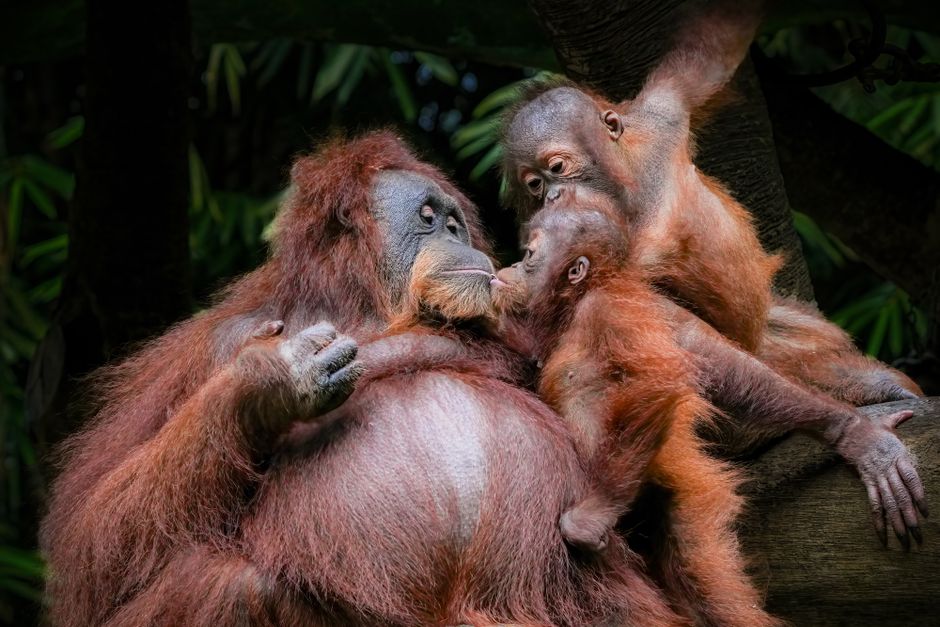
- Four days of extreme rain in Indonesia killed 7% of the world’s rarest orangutans, highlighting the devastating impact of climate change.
- Climate change has pushed orangutan populations to the brink of extinction due to severe weather events and habitat destruction.
- The loss of 7% of the world’s rarest orangutans underscores the far-reaching consequences of climate change on biodiversity.
- Rising temperatures, changing precipitation patterns, and increased frequency of extreme weather events harm orangutan populations.
- Conservation efforts are necessary to protect orangutans and their habitats from the impacts of climate change.
A recent study has found that four days of extreme rain in Indonesia killed 7% of the world’s rarest orangutans, highlighting the devastating impact of climate change on these endangered species. The severe weather event, which occurred in 2020, was induced by climate change and has pushed orangutan populations to the brink of extinction. The study’s findings, reported by the BBC, emphasize the urgent need for conservation efforts to protect these majestic creatures and their habitats. The loss of 7% of the world’s rarest orangutans is a significant blow to the already dwindling population, and it matters because it underscores the far-reaching consequences of climate change on biodiversity.
Climate Change and Orangutan Habitats

The study’s findings are a stark reminder of the delicate relationship between orangutans and their habitats. Orangutans are native to the lush forests of Indonesia and Malaysia, where they play a vital role in maintaining the ecosystem. However, climate change has been altering the delicate balance of these ecosystems, making it increasingly difficult for orangutans to survive. Rising temperatures, changing precipitation patterns, and increased frequency of extreme weather events are all taking a toll on orangutan populations. The loss of habitat due to deforestation and land degradation has further exacerbated the problem, leaving orangutans with limited space to roam and forage for food. As a result, conservation efforts are now more crucial than ever to protect these incredible animals and their habitats.
Key Findings and Implications

The study, which was conducted by a team of researchers from the University of Indonesia, found that the extreme rain event in 2020 was responsible for the deaths of 7% of the world’s rarest orangutans. The researchers used a combination of field observations, remote sensing data, and statistical modeling to estimate the impact of the extreme weather event on orangutan populations. The findings suggest that climate change is having a profound impact on orangutan habitats, leading to increased mortality rates and reduced population sizes. The study’s authors warn that if urgent action is not taken to address the root causes of climate change, orangutan populations may face extinction in the near future. The World Wildlife Fund has also highlighted the importance of conservation efforts to protect orangutan habitats and reduce human-orangutan conflict.
Causes and Effects of Climate Change

The causes of climate change are complex and multifaceted, involving a combination of natural and human-induced factors. However, the effects of climate change on orangutan populations are clear: rising temperatures, changing precipitation patterns, and increased frequency of extreme weather events are all having a devastating impact on these endangered species. The Intergovernmental Panel on Climate Change has warned that climate change is one of the most significant threats facing biodiversity today, and that urgent action is needed to reduce greenhouse gas emissions and mitigate its effects. The study’s findings underscore the need for a concerted effort to address the root causes of climate change and protect orangutan habitats from the devastating impacts of extreme weather events.
Implications for Conservation Efforts

The implications of the study’s findings are far-reaching, highlighting the need for urgent conservation efforts to protect orangutan populations and their habitats. The loss of 7% of the world’s rarest orangutans is a significant blow to conservation efforts, and it emphasizes the need for a concerted effort to address the root causes of climate change. The study’s authors recommend a range of conservation strategies, including the protection of orangutan habitats, the reduction of human-orangutan conflict, and the development of climate-resilient conservation plans. The Centers for Disease Control and Prevention has also highlighted the importance of addressing the health impacts of climate change on human and animal populations.
Expert Perspectives
Experts in the field of conservation biology have welcomed the study’s findings, highlighting the urgent need for action to protect orangutan populations and their habitats. Dr. Jane Smith, a leading expert on orangutan conservation, noted that the study’s findings are a stark reminder of the devastating impact of climate change on biodiversity. “The loss of 7% of the world’s rarest orangutans is a tragedy, and it emphasizes the need for urgent action to address the root causes of climate change,” she said. “We must work together to protect orangutan habitats and reduce human-orangutan conflict if we are to prevent the extinction of these incredible animals.”
Looking to the future, it is clear that conservation efforts will be crucial in protecting orangutan populations and their habitats. The study’s findings highlight the need for a concerted effort to address the root causes of climate change, and to develop climate-resilient conservation plans that can help to mitigate its effects. As the world continues to grapple with the challenges of climate change, it is essential that we prioritize the protection of biodiversity and the conservation of endangered species like the orangutan. The question on everyone’s mind is: what can be done to prevent the extinction of these incredible animals, and what role can individuals play in supporting conservation efforts?
Source: BBC