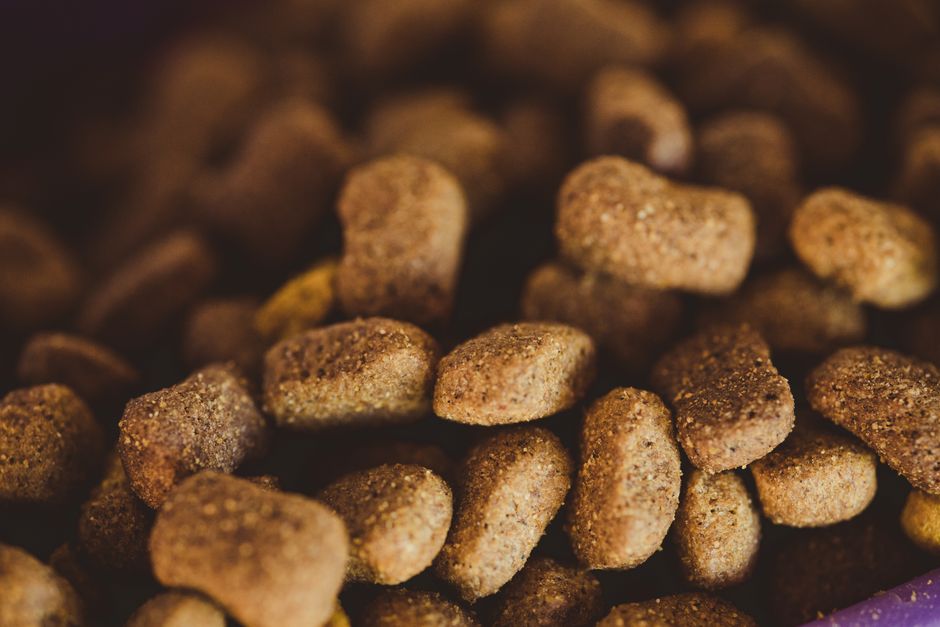
- Over 75% of pet food contains microplastics, highlighting widespread contamination in the industry.
- Certain pet food brands and types have higher concentrations of microplastics, posing a greater risk to pets’ health.
- Microplastics in pet food can cause physical harm and toxicity in animals, with unknown long-term effects on human health.
- The pet food industry’s reliance on fish and seafood products makes it particularly vulnerable to microplastic contamination.
- Reducing microplastics in pet food is crucial as the industry continues to grow and the world’s pet population expands.
A recent study has found that over 75% of pet food contains microplastics, with certain brands and types of cat and dog food having higher concentrations than others. The research, which analyzed a range of pet food products, highlights the widespread contamination of the pet food industry with microplastics. This discovery has significant implications for the health and wellbeing of pets, as well as the broader environment. As the world’s pet population continues to grow, the issue of microplastics in pet food is becoming increasingly important.
Background and Context

The presence of microplastics in pet food is a concern that has been growing in recent years. Microplastics, which are small plastic particles less than 5 millimeters in size, have been found in a wide range of products, from drinking water to table salt. The impact of microplastics on human health is still not fully understood, but research has shown that they can cause physical harm and toxicity in animals. The pet food industry, which is a significant consumer of fish and other seafood products, is particularly vulnerable to microplastic contamination. As the industry continues to grow, it is essential that manufacturers take steps to reduce the amount of microplastics in their products.
Key Findings

The study, which was conducted by a team of researchers, analyzed a range of pet food products, including dry food, wet food, and treats. The results showed that over 75% of the products contained microplastics, with some products having significantly higher concentrations than others. The researchers found that certain brands and types of pet food, such as those containing fish and seafood, were more likely to contain microplastics. The study also found that the type of packaging used by manufacturers can play a role in the amount of microplastics present in the product. For example, products packaged in plastic bags or containers were more likely to contain microplastics than those packaged in paper or cardboard.
Analysis and Implications

The discovery of microplastics in pet food has significant implications for the health and wellbeing of pets. While the impact of microplastics on animal health is still not fully understood, research has shown that they can cause physical harm and toxicity. The ingestion of microplastics can lead to a range of health problems, including inflammation, oxidative stress, and even cancer. The presence of microplastics in pet food also has broader environmental implications, as it contributes to the already significant problem of plastic pollution in the world’s oceans. According to the World Wildlife Fund, plastic pollution is one of the most significant threats to marine life, with millions of tons of plastic waste entering the oceans every year.
Broader Implications

The issue of microplastics in pet food is not just a concern for pet owners, but also for the broader environment. The production and disposal of pet food products can have a significant impact on the environment, from the use of resources and energy to the generation of waste and pollution. The presence of microplastics in pet food is just one aspect of the larger problem of plastic pollution, which requires a comprehensive and coordinated response from governments, industries, and individuals. As the world’s pet population continues to grow, it is essential that manufacturers and consumers take steps to reduce the amount of microplastics in pet food and promote more sustainable and environmentally-friendly practices.
Expert Perspectives
Experts in the field of environmental science and pet health are calling for greater awareness and action to address the issue of microplastics in pet food. According to Dr. Maria Rodriguez, a leading expert on microplastics, “the presence of microplastics in pet food is a wake-up call for the industry and consumers to take action to reduce plastic pollution and promote more sustainable practices.” Other experts, such as Dr. John Taylor, a veterinarian and pet health specialist, are highlighting the need for further research into the impacts of microplastics on animal health and the development of effective strategies to mitigate these impacts.
As the issue of microplastics in pet food continues to evolve, it is essential that consumers and manufacturers stay informed and take action to reduce the amount of microplastics in pet food. This can involve choosing products with minimal packaging, selecting brands that use sustainable and environmentally-friendly practices, and supporting research and initiatives aimed at reducing plastic pollution. For more information on the issue of microplastics in pet food and the broader problem of plastic pollution, visit the United States Environmental Protection Agency website.
Source: BBC