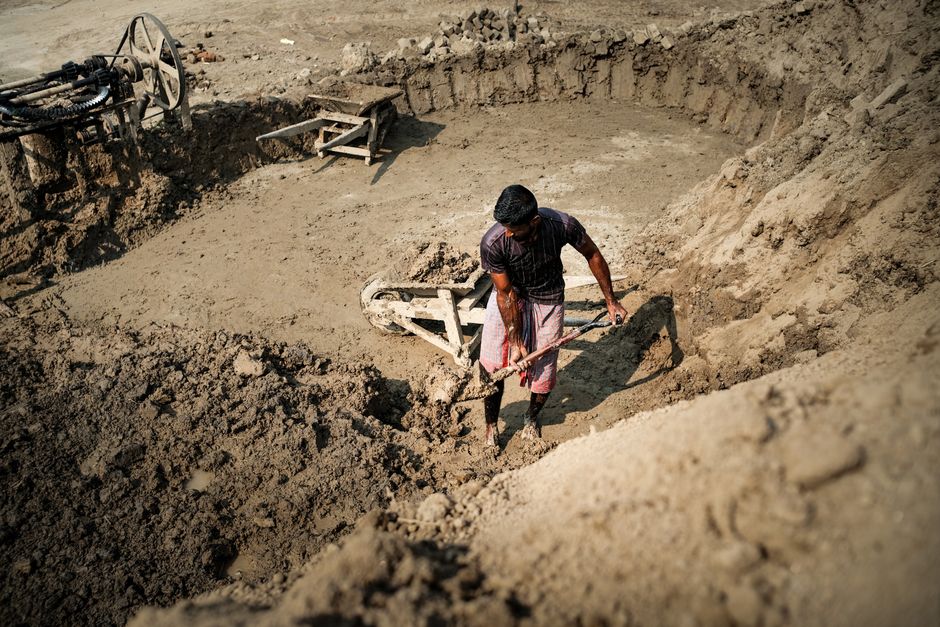
- Archaeologists discovered a 5,000-year-old, simpler version of Stonehenge 3 miles away, shedding new light on the monument’s history and significance.
- The newly found structure consists of two posts aligned with the solstices, suggesting it was used for ceremonial or ritual purposes.
- This discovery provides valuable insights into the lives and practices of ancient cultures, making it a crucial find for archaeology.
- The structure’s alignment with solstices may have marked important dates or events for the ancient people who built it.
- Researchers hope to uncover more information about the people who built this structure and its role in their lives.
Archaeologists have made a groundbreaking discovery near the famous Stonehenge site in England, uncovering a simpler, older version of the monument just three miles away. The newly found structure, which dates back an impressive 5,000 years, consists of two posts that lined up with the solstices, shedding new light on the history and significance of Stonehenge. This finding is particularly noteworthy as it provides valuable insights into the lives and practices of ancient cultures, making it a crucial discovery for the field of archaeology.
The Current State of the Discovery

The recent discovery has sparked widespread interest among archaeologists and historians, who are eager to learn more about this ancient structure and its connection to Stonehenge. According to experts, the two posts that make up the newly found structure are aligned with the solstices, which were significant events in the lives of ancient cultures. This alignment suggests that the structure was used for ceremonial or ritual purposes, possibly to mark important dates or events. As researchers continue to study the site, they hope to uncover more information about the people who built this structure and the role it played in their lives.
A Brief History of Stonehenge

Stonehenge, one of the most famous prehistoric monuments in the world, has a long and complex history that spans thousands of years. The construction of Stonehenge began around 3000 BC, with the iconic stone circle being completed in several stages over the next 1,000 years. While the exact purpose of Stonehenge is still debated among scholars, it is widely believed to have been used for ceremonial, spiritual, or astronomical purposes. The discovery of this older, simpler version of Stonehenge provides a fascinating glimpse into the early history of the site and the cultures that built it.
The People Behind the Discovery

The team of archaeologists responsible for the discovery is led by experts from the BBC and other prominent institutions. These researchers have dedicated years to studying the Stonehenge site and its surroundings, using cutting-edge technology and techniques to uncover new insights and information. Their motivations for pursuing this research are driven by a desire to understand the lives and practices of ancient cultures, as well as to shed new light on the history and significance of Stonehenge. By uncovering this older version of the monument, the team has made a significant contribution to the field of archaeology, one that will have far-reaching implications for our understanding of human history.
Consequences of the Discovery

The discovery of this simpler, older version of Stonehenge has significant consequences for our understanding of ancient cultures and their practices. The finding suggests that the construction of Stonehenge was a more complex and nuanced process than previously thought, with earlier versions of the monument playing an important role in the development of the site. This discovery also highlights the importance of continued research and excavation at the Stonehenge site, as there may be other, yet unknown, structures and artifacts waiting to be uncovered. As news of the discovery spreads, it is likely to attract increased interest and attention to the site, potentially leading to new funding and support for future research initiatives.
The Bigger Picture
The discovery of this older version of Stonehenge is not just significant for our understanding of the site itself, but also for its broader implications for the field of archaeology. The finding demonstrates the importance of continued research and excavation, as well as the need for new technologies and techniques to uncover hidden secrets and insights. By studying ancient cultures and their practices, researchers can gain a deeper understanding of human history and the development of modern societies. This discovery serves as a powerful reminder of the importance of preserving our cultural heritage and continuing to explore and learn from the past.
As researchers continue to study the newly discovered structure, it is likely that new information and insights will come to light, further enhancing our understanding of Stonehenge and its significance. For now, the discovery of this simpler, older version of the monument serves as a thrilling reminder of the mysteries and secrets that still await us in the ancient world, and the importance of continued exploration and discovery in uncovering the truth about our shared human history. For those interested in learning more, the Nature website provides a wealth of information on the latest archaeological discoveries and research initiatives.
Source: BBC