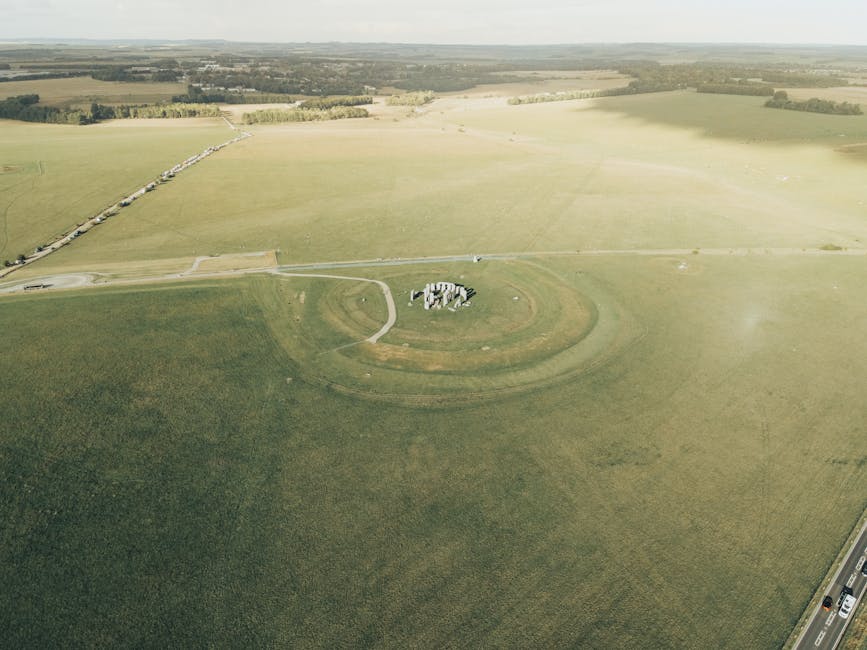
- The Altar Stone, a key component of Stonehenge, was deliberately moved from Wales to England, showcasing ancient civilizations’ sophisticated organization and planning.
- Researchers believe the stone was transported via a combination of land and sea routes, highlighting the advanced logistical capabilities of ancient societies.
- The Altar Stone’s journey required careful planning and coordination, given its massive six-ton weight and limited technology available at the time.
- Geological analysis and archaeological findings confirm the stone’s origins in Wales and provide insights into its transportation methods.
- The successful relocation of the Altar Stone raises important questions about the social and cultural context of ancient people who accomplished this feat.
What drove ancient people to transport a six-ton stone over 150 miles to create one of the world’s most mysterious monuments, Stonehenge? Recent research has uncovered that the Altar Stone, a key component of Stonehenge, was deliberately moved from Wales to its current location in England, revealing a sophisticated level of organization and planning thousands of years ago. This discovery has significant implications for our understanding of ancient civilizations and their capabilities.
Uncovering the Journey of the Altar Stone

The Altar Stone’s journey is a testament to the ingenuity and determination of ancient people. Weighing six tons, the stone would have required careful planning and coordination to transport, especially considering the limited technology available at the time. Researchers believe that the stone was transported via a combination of land and sea routes, highlighting the advanced logistical capabilities of these ancient societies. The fact that they were able to accomplish such a feat raises important questions about the social and cultural context in which they lived.
Evidence Supporting the Theory

Scientists have relied on a range of evidence to support their theory about the Altar Stone’s origins. Geological analysis has confirmed that the stone comes from Wales, while archaeological findings have provided insights into the methods used to transport it. According to research published in Science Daily, the transportation of the Altar Stone would have required a large workforce and sophisticated engineering techniques. This discovery has been hailed as a major breakthrough in our understanding of ancient British history.
Alternative Perspectives on the Transportation of the Altar Stone

While the majority of researchers agree that the Altar Stone was transported from Wales, some have proposed alternative theories. A few scholars have suggested that the stone may have been transported via a different route or that it may have been used for other purposes before being incorporated into Stonehenge. However, these alternative perspectives are not widely accepted, and the majority of evidence supports the theory that the stone was deliberately transported from Wales to create the monument we see today. As research continues, it is likely that new evidence will emerge to further refine our understanding of this ancient mystery.
The Real-World Impact of the Altar Stone’s Transportation

The transportation of the Altar Stone has significant implications for our understanding of ancient societies and their capabilities. The fact that ancient people were able to accomplish such a feat demonstrates a high level of social organization, technological sophistication, and cultural complexity. This discovery has the potential to challenge existing narratives about the development of human societies and encourages us to reevaluate our assumptions about the past. As we continue to learn more about the Altar Stone and its journey, we may uncover new insights into the lives and motivations of the people who created Stonehenge.
What This Means For You
The story of the Altar Stone’s transportation serves as a reminder of the ingenuity and determination of ancient people. As we marvel at the sophistication of modern technology, it is humbling to consider the achievements of our ancestors, who were able to accomplish remarkable feats using only the resources available to them. This discovery encourages us to adopt a more nuanced view of history, one that recognizes the complexity and sophistication of ancient societies.
As researchers continue to unravel the mysteries of Stonehenge, we are left to wonder what other secrets this ancient monument holds. What drove the ancient people to create such an intricate and complex structure, and what can we learn from their achievements? As we ponder these questions, we are reminded of the importance of continued exploration and discovery, and the potential for new research to challenge our existing understanding of the world.
Source: ScienceDaily