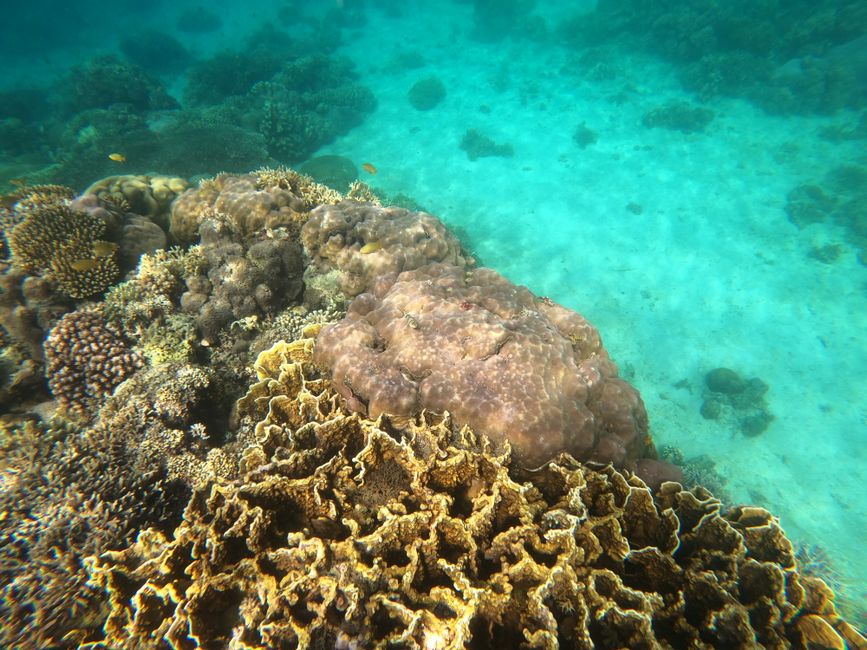
- A new study found areas where coral reefs are surviving despite global warming’s devastating effects.
- Cooler currents and favorable conditions are protecting coral reefs from rising sea temperatures.
- Several locations, including Western Australia, the Red Sea, and parts of the Caribbean, have thriving coral reefs.
- The study provides hope for the long-term survival of coral ecosystems.
- Coral reefs in these areas could serve as a vital source of larvae for replenishing damaged reefs.
A new study published in the journal Nature has identified areas around the world where coral reefs are managing to survive despite the devastating effects of global warming. The research, which was conducted by a team of scientists from the University of Queensland, found that cooler currents and other favorable conditions are helping to protect coral from the worst effects of rising sea temperatures. The study’s findings are significant, as they provide a glimmer of hope for the long-term survival of these vital ecosystems. According to the study, there are several locations around the world where coral reefs are hanging on, including the coast of Western Australia, the Red Sea, and parts of the Caribbean.
Current State of Coral Reefs

The current state of coral reefs is dire, with many having already suffered catastrophic damage due to global warming. Rising sea temperatures have caused widespread coral bleaching, which is when the coral expels its algal symbionts and turns white, often leading to the coral’s death. The consequences of this are far-reaching, with many marine species that depend on coral reefs for food and shelter facing extinction. However, the new study suggests that there are still areas where coral reefs are thriving, and that these locations could provide a vital source of coral larvae to help replenish damaged reefs. The researchers used a combination of satellite data and on-the-ground surveys to identify areas where coral reefs are still healthy, and found that these areas tend to have cooler waters and lower levels of pollution.
History of Coral Reef Decline

The decline of coral reefs is a long-term problem that has been exacerbated by global warming. Historically, coral reefs have faced numerous threats, including overfishing, pollution, and coastal development. However, the rapid increase in sea temperatures over the past few decades has pushed many coral reefs to the brink of collapse. The first recorded mass coral bleaching event occurred in 1998, and since then, there have been several more events, each one more severe than the last. The 2016 event was particularly devastating, with an estimated 30% of the world’s coral reefs dying off. The study’s authors note that the decline of coral reefs is not just an environmental issue, but also has significant economic and social implications, as many communities depend on coral reefs for their livelihoods.
Key Players in Coral Reef Conservation

The conservation of coral reefs is a complex issue that involves numerous stakeholders, including governments, NGOs, and local communities. The researchers behind the new study are part of a larger effort to protect coral reefs, which includes initiatives such as the creation of marine protected areas and the development of coral nurseries. Other key players in coral reef conservation include organizations such as the World Wildlife Fund and the Nature Conservancy. These organizations are working to raise awareness about the importance of coral reefs and to support conservation efforts on the ground. The study’s authors also note that local communities play a crucial role in coral reef conservation, as they are often the ones who are most directly affected by the decline of these ecosystems.
Consequences of Coral Reef Decline

The consequences of coral reef decline are far-reaching and have significant implications for both the environment and human societies. Without coral reefs, many marine species will face extinction, and the livelihoods of communities that depend on these ecosystems will be threatened. The decline of coral reefs also has significant economic implications, as these ecosystems provide important ecosystem services, including shoreline protection and water filtration. The study’s authors estimate that the loss of coral reefs could cost the global economy billions of dollars in the coming decades. Furthermore, the decline of coral reefs also has significant social implications, as many communities depend on these ecosystems for their cultural and spiritual practices.
The Bigger Picture
The decline of coral reefs is just one symptom of a larger problem – the impact of human activities on the environment. The study’s findings highlight the need for urgent action to reduce greenhouse gas emissions and to protect these vital ecosystems. The researchers note that while the identification of areas where coral reefs are still thriving is a positive development, it is not a reason for complacency. Rather, it should serve as a catalyst for further action to protect these ecosystems and to address the root causes of their decline. As the Intergovernmental Panel on Climate Change has noted, the window for action to prevent the worst effects of climate change is rapidly closing, and the conservation of coral reefs is just one part of a larger effort to protect the planet.
In conclusion, the new study on coral reefs provides a glimmer of hope for the long-term survival of these vital ecosystems. While the decline of coral reefs is a significant problem, the identification of areas where they are still thriving suggests that there are still opportunities for conservation and restoration. As the world continues to grapple with the challenges of climate change, the conservation of coral reefs must be a priority. The study’s authors note that further research is needed to fully understand the implications of their findings, but for now, the identification of areas where coral reefs are hanging on provides a vital source of hope for the future of these ecosystems. The next steps will be crucial, as the world must come together to address the root causes of coral reef decline and to protect these vital ecosystems for future generations.
Source: The New York Times