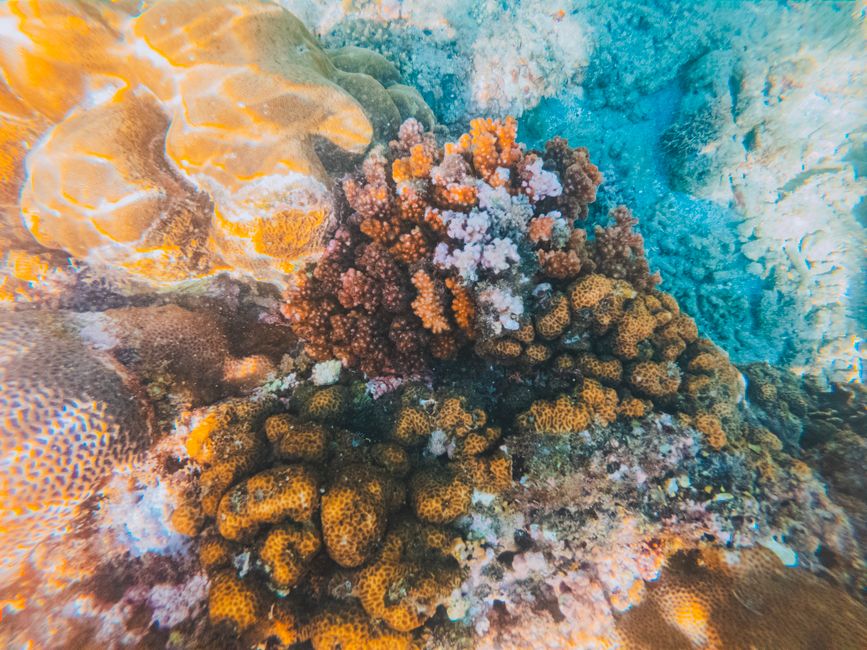
- Coral reefs are facing a 70% damage risk due to mass bleaching events caused by climate change.
- New interventions have shown that corals can be remarkably resilient with the right support to recover.
- Mass bleaching events have devastated coral reefs globally, with the 2016 event being the worst on record.
- The consequences of inaction could be catastrophic, with biodiversity, fisheries, and livelihoods at risk.
- Coral reefs are vital ecosystems, supporting millions of people and providing essential ecosystem services.
Coral reefs, found in tropical and subtropical oceans around the world, are facing an unprecedented crisis due to mass bleaching events caused by climate change, with scientists warning that up to 70% of the world’s coral reefs have been damaged. The consequences of inaction could be catastrophic, with the potential loss of biodiversity, fisheries, and livelihoods for millions of people. However, new interventions have shown that corals can be remarkably resilient if given the right support to recover, offering a glimmer of hope for the long-term survival of these vital ecosystems.
The Devastating Impact of Mass Bleaching

Mass bleaching events, caused by rising sea temperatures, have devastated coral reefs globally, with the 2016 event being the worst on record, affecting 70% of the world’s coral reefs. According to the New Scientist, the consequences of mass bleaching are far-reaching, with many reefs experiencing a significant decline in coral cover, leading to reduced biodiversity and fisheries. Data from the Nature journal suggests that the frequency and severity of mass bleaching events are increasing, with the number of bleaching events doubling over the past three decades.
The Key Players in Coral Reef Conservation

Several key players are working together to address the coral reef crisis, including governments, NGOs, and local communities. The UNESCO has launched several initiatives to protect coral reefs, including the creation of marine protected areas and the development of sustainable fishing practices. Additionally, organizations such as the World Wildlife Fund are working with local communities to establish coral nurseries and promote eco-tourism, providing alternative livelihoods for people dependent on coral reefs.
The Trade-Offs of Coral Reef Conservation

While conservation efforts are underway, there are significant trade-offs to consider, including the economic costs of establishing and maintaining marine protected areas, as well as the potential impacts on local livelihoods. However, the benefits of conservation far outweigh the costs, with coral reefs providing numerous ecosystem services, including shoreline protection, water filtration, and fisheries. According to a study published in the Nature journal, the economic benefits of coral reef conservation could be substantial, with some estimates suggesting that every dollar invested in conservation could generate up to $10 in economic returns.
The Timing of Coral Reef Conservation Efforts

The timing of coral reef conservation efforts is critical, with scientists warning that the window for action is rapidly closing. The Intergovernmental Panel on Climate Change has warned that global warming must be limited to 1.5°C above pre-industrial levels to avoid the most catastrophic impacts of climate change on coral reefs. With the pace of climate change accelerating, it is essential that conservation efforts are scaled up and implemented urgently to give corals the best chance of survival.
Where We Go From Here
Looking ahead to the next 6-12 months, there are several potential scenarios for coral reef conservation. In the best-case scenario, governments and NGOs will work together to establish a global network of marine protected areas, providing a safe haven for corals to recover. In a more pessimistic scenario, the pace of climate change will continue to accelerate, leading to the loss of up to 90% of the world’s coral reefs. However, even in this scenario, there is still hope for the long-term survival of corals, with scientists exploring new technologies, such as coral nurseries and reef restoration, to support the recovery of these vital ecosystems.
In conclusion, the fate of coral reefs hangs in the balance, with the consequences of inaction being catastrophic. However, with targeted interventions and a concerted global effort, there is still hope for the long-term survival of these vital ecosystems, and it is essential that we take action now to give corals the best chance of recovery.
Source: New Scientist