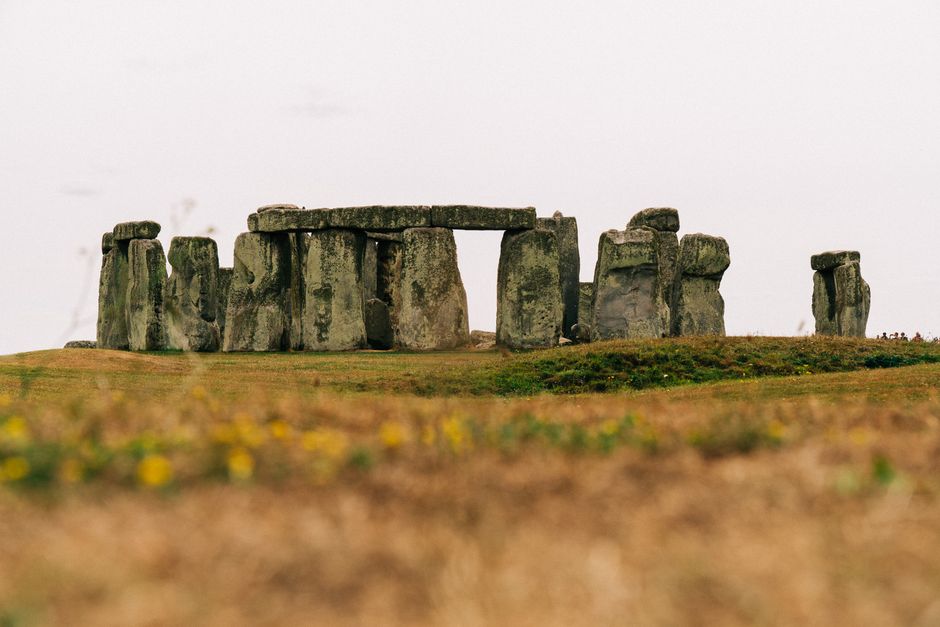
- British archaeologists discovered ancient pits near Stonehenge, offering insights into ancient Britons’ solstice rituals.
- The pits date back to the Late Neolithic or Early Bronze Age, a period of significant cultural and religious developments in ancient Britain.
- Advanced archaeological techniques, including ground-penetrating radar and thermal imaging, were used to identify and excavate the ancient pits.
- The presence of the pits near Stonehenge suggests a strong connection between the two sites, potentially serving as a complementary site for solstice-related activities.
- The discovery highlights the importance of solstice rituals in ancient British society, providing a unique glimpse into cultural practices of a bygone era.
British archaeologists have made a significant discovery near Stonehenge, unearthing the remains of ancient pits that may have been used for solstice celebrations thousands of years ago. Located just a few miles from the iconic stone circle, the site offers valuable insights into the lives and rituals of ancient Britons. The finding is particularly noteworthy as it provides a unique glimpse into the cultural practices of a bygone era, highlighting the importance of solstice rituals in ancient British society.
The Archaeological Evidence

The discovery was made using advanced archaeological techniques, including ground-penetrating radar and thermal imaging. These methods allowed researchers to identify and excavate the ancient pits, which were found to contain artifacts and features consistent with solstice celebrations. According to reports from the New York Times, the pits date back to the Late Neolithic or Early Bronze Age, a period marked by significant cultural and religious developments in ancient Britain. The presence of these pits near Stonehenge suggests a strong connection between the two sites, with the pits potentially serving as a complementary or auxiliary site for solstice-related activities.
The Key Players

The discovery is the result of a collaborative effort between British archaeologists and researchers from various institutions. The team, led by experts in the field of archaeology, has been conducting excavations and analyses in the area for several years. Their work has been instrumental in shedding light on the history and cultural significance of the site, and their findings have important implications for our understanding of ancient British society. The researchers involved in the project have expressed excitement about the potential of the discovery, highlighting its significance for the field of archaeology and our understanding of human history.
The Trade-Offs

The discovery of the ancient pits near Stonehenge presents both opportunities and challenges for researchers and preservationists. On the one hand, the finding offers a unique window into the past, allowing us to better understand the cultural practices and rituals of ancient Britons. On the other hand, the site’s proximity to Stonehenge raises concerns about tourism and preservation, as increased visitor numbers could potentially damage the site and compromise its integrity. Furthermore, the discovery highlights the need for careful management and conservation of historical sites, balancing the demands of tourism and research with the need to protect and preserve our cultural heritage.
The Timing

The discovery of the ancient pits near Stonehenge is particularly significant given the current interest in solstice celebrations and ancient cultural practices. The summer solstice, which typically falls on June 20 or 21 in the Northern Hemisphere, has long been an important date in many cultures, marking the beginning of summer and the longest day of the year. The finding of a potential solstice celebration site near Stonehenge serves as a poignant reminder of the enduring importance of these rituals, highlighting the need for continued research and preservation of our cultural heritage. As reported by the BBC, the discovery has sparked widespread interest in the history and significance of solstice celebrations, with many experts weighing in on the importance of the finding.
Where We Go From Here
Looking ahead, the discovery of the ancient pits near Stonehenge presents several potential scenarios for the next 6-12 months. Firstly, further excavations and research may uncover additional evidence of solstice celebrations, providing a more detailed understanding of the site’s significance and cultural context. Secondly, the finding may prompt a reevaluation of the historical and cultural significance of Stonehenge, highlighting the need for a more nuanced understanding of the site and its surroundings. Finally, the discovery may serve as a catalyst for increased tourism and interest in ancient British history, presenting both opportunities and challenges for preservationists and researchers. Ultimately, the discovery of the ancient pits near Stonehenge serves as a powerful reminder of the importance of continued research and preservation of our cultural heritage.
In conclusion, the discovery of ancient pits near Stonehenge offers a fascinating glimpse into the lives and rituals of ancient Britons, highlighting the significance of solstice celebrations in ancient British society. As researchers continue to excavate and analyze the site, it is likely that we will uncover even more insights into the history and cultural context of this enigmatic period, shedding new light on the mysteries of our ancient past.
Source: The New York Times