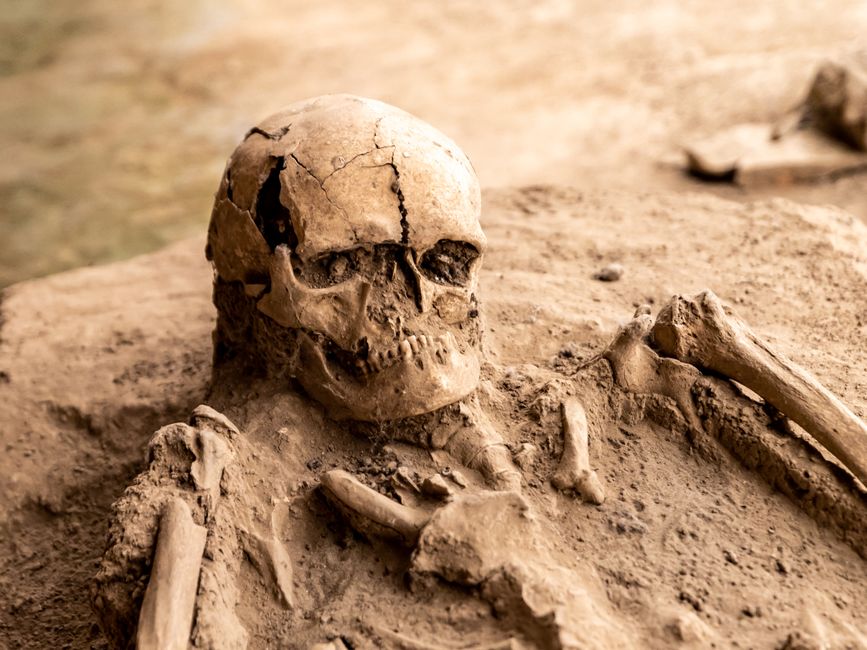
- Iron Age Britons may have removed the brains of the dead as part of their burial practices, based on scrape marks inside a skull and sharpened limb bones.
- This discovery has significant implications for our understanding of ancient British culture and burial practices.
- Other archaeological discoveries have provided supporting evidence for the theory of brain removal in ancient Britain.
- The removal of brains may have held spiritual or symbolic significance in ancient cultures.
- The way we treat our dead can reveal a great deal about our values and beliefs, as seen in ancient funerary rituals.
What did Iron Age Britons do with their dead, and why does it matter now? Archaeologists have discovered a set of remains in Scotland that may hold the answer, with scrape marks inside a skull and sharpened limb bones suggesting an unusual funerary ritual. The findings, which include evidence of possible brain removal, have significant implications for our understanding of ancient British culture and burial practices. As researchers continue to uncover the secrets of the past, these discoveries remind us that the way we treat our dead can reveal a great deal about our values and beliefs.
Uncovering the Evidence

The discovery was made in a set of Iron Age remains found in Scotland, where archaeologists noticed unusual scrape marks inside a skull. Further examination revealed that the marks were likely made by a sharp object, and the presence of sharpened limb bones nearby suggested that these may have been used in the funerary ritual. While the exact purpose of the ritual is still unclear, the evidence suggests that Iron Age Britons may have removed the brains of the dead as part of their burial practices. This theory is supported by similar findings in other ancient cultures, where brain removal was believed to have spiritual or symbolic significance.
Supporting Evidence from Other Sources

Other archaeological discoveries have provided supporting evidence for the theory of brain removal in ancient Britain. For example, previous studies have found similar scrape marks and sharpened bones in other Iron Age remains. Additionally, historical records suggest that ancient British cultures placed a strong emphasis on the afterlife and the spiritual realm, which may have involved rituals such as brain removal. While more research is needed to confirm the theory, the accumulating evidence suggests that Iron Age Britons may have practiced a unique and fascinating form of funerary ritual.
Counter-Perspectives and Alternative Explanations

Not all experts agree with the theory of brain removal, and some have suggested alternative explanations for the evidence. For example, some researchers have proposed that the scrape marks and sharpened bones may have been used for other purposes, such as food preparation or tool-making. However, the presence of the marks inside the skull and the context of the other archaeological findings make it more likely that the evidence is related to a funerary ritual. Additionally, the fact that similar rituals have been found in other ancient cultures suggests that brain removal may have been a more widespread practice than previously thought.
Real-World Impact and Implications

The discovery of possible brain removal in Iron Age Britain has significant implications for our understanding of ancient culture and burial practices. The findings suggest that Iron Age Britons may have had a more complex and nuanced view of death and the afterlife than previously thought, and that their funerary rituals may have involved a range of spiritual and symbolic practices. The discovery also highlights the importance of continued archaeological research and the need for a more nuanced understanding of ancient cultures. As we continue to uncover the secrets of the past, we may find that our assumptions about ancient cultures are challenged and that our understanding of human history is expanded.
What This Means For You
The discovery of possible brain removal in Iron Age Britain is a reminder that the way we treat our dead can reveal a great deal about our values and beliefs. As we consider the implications of this finding, we may also reflect on our own attitudes towards death and the afterlife. What can we learn from the funerary rituals of ancient cultures, and how can we apply these lessons to our own lives? By exploring the mysteries of the past, we may gain a deeper understanding of ourselves and our place in the world.
As researchers continue to uncover the secrets of Iron Age Britain, we may wonder what other surprises await us. Will future discoveries reveal more about the spiritual practices of ancient British cultures, or will they challenge our current understanding of human history? The search for answers is an ongoing journey, and one that invites us to explore the complexities and mysteries of the past. By embracing this journey, we may find that our understanding of the world is expanded, and that our appreciation for the diversity and richness of human culture is deepened.
Source: New Scientist