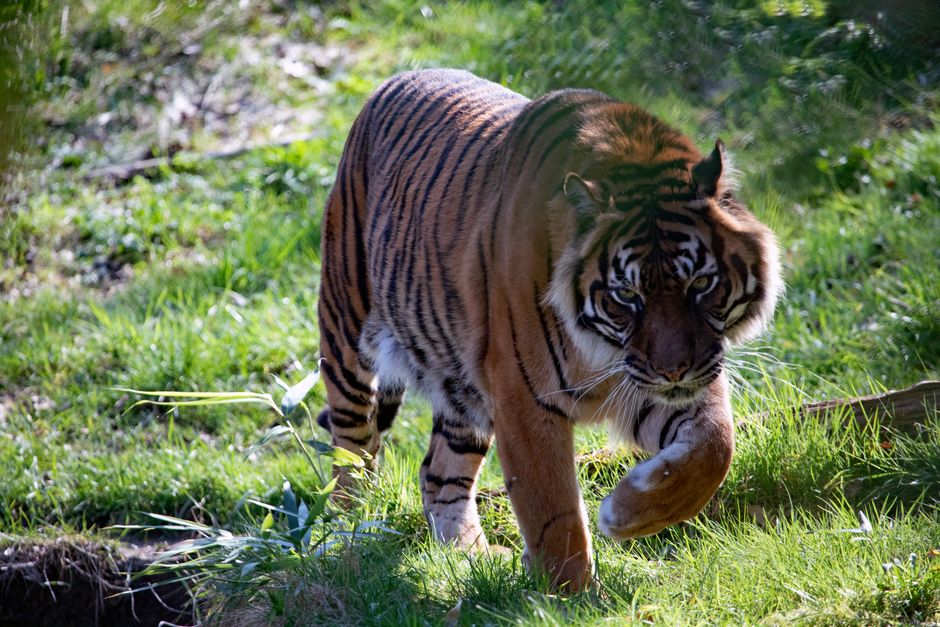
- Sumatran tigers are one of the most endangered tiger subspecies, with fewer than 400 individuals remaining in the wild.
- Conservation efforts, including breeding programs, are crucial for protecting Sumatran tigers from extinction.
- Habitat loss and poaching are primary threats to the survival of Sumatran tigers in the wild.
- Animal parks like the one in Kent play a vital role in the conservation of endangered species like the Sumatran tiger.
- Breeding programs in animal parks can help increase population numbers and reduce the risk of extinction for Sumatran tigers.
The Kent animal park has announced the death of a rare Sumatran tiger cub, part of the first litter of this breed to be born at the park. The cub was one of four born to the park’s Sumatran tiger parents, marking a significant milestone in the park’s conservation efforts. The death of the cub is a reminder of the challenges faced by conservationists in protecting this endangered species.
The Significance of Sumatran Tigers

Sumatran tigers are one of the most endangered tiger subspecies, with fewer than 400 individuals remaining in the wild. The birth of the four cubs at the Kent animal park was a major success story for conservation efforts, highlighting the importance of breeding programs in protecting this species. According to the World Wildlife Fund, Sumatran tigers are threatened by habitat loss and poaching, making conservation efforts crucial to their survival.
The Role of Animal Parks in Conservation

Animal parks like the one in Kent play a vital role in the conservation of endangered species like the Sumatran tiger. By providing a safe and controlled environment for breeding, animal parks can help increase population numbers and reduce the risk of extinction. The Kent animal park’s breeding program is part of a larger effort to protect Sumatran tigers, involving collaboration with other zoos and conservation organizations. As reported by the BBC, the park’s conservation efforts are an important step towards protecting this endangered species.
The Challenges of Breeding Endangered Species

Breeding endangered species like the Sumatran tiger is a complex and challenging process. The death of the tiger cub at the Kent animal park highlights the risks involved in breeding programs, where the loss of even a single individual can have significant consequences for the population as a whole. Despite these challenges, conservationists remain committed to protecting this species, recognizing the importance of preserving biodiversity and ecosystem health. The International Union for Conservation of Nature emphasizes the need for continued conservation efforts to protect the Sumatran tiger and its habitat.
Timing and Next Steps

The death of the Sumatran tiger cub at the Kent animal park comes at a critical time for conservation efforts. With the species facing numerous threats in the wild, the success of breeding programs is more important than ever. As conservationists look to the future, they must consider the challenges and opportunities ahead, including the need for increased support and funding for conservation efforts. The Kent animal park’s breeding program will continue, with the park remaining committed to protecting the Sumatran tiger and its habitat.
Where We Go From Here
Looking ahead, there are several possible scenarios for the conservation of Sumatran tigers. One possible outcome is the continued success of breeding programs, leading to an increase in population numbers and a reduction in the risk of extinction. Alternatively, the species may face continued decline, highlighting the need for increased conservation efforts and support. A third scenario involves the development of new conservation strategies, incorporating innovative technologies and approaches to protect the Sumatran tiger and its habitat. Ultimately, the future of this species will depend on the actions of conservationists, policymakers, and the general public.
In conclusion, the death of the Sumatran tiger cub at the Kent animal park is a reminder of the challenges and complexities involved in conservation efforts. Despite this setback, conservationists remain committed to protecting this endangered species, recognizing the importance of preserving biodiversity and ecosystem health. As the conservation community looks to the future, it is clear that continued support and funding will be necessary to ensure the long-term survival of the Sumatran tiger.
Source: BBC