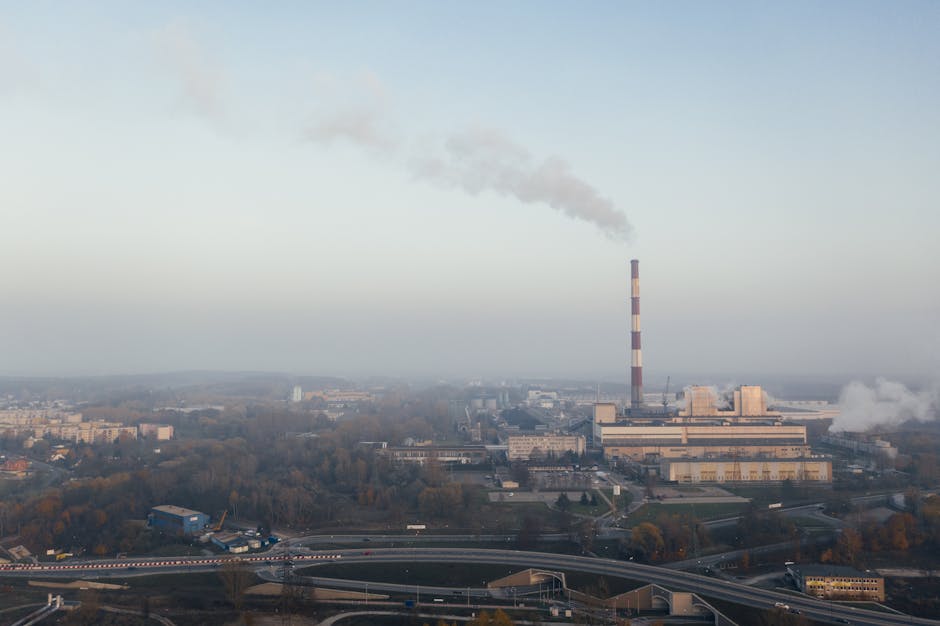
- Scotland’s greenhouse gas emissions decreased by 1% in 2024, a slower pace of reduction compared to previous years.
- The modest decline is attributed to decreases in emissions from the energy and transport sectors.
- Scotland aims to become net-zero by 2045, with the recent data marking a step towards achieving this goal.
- The country’s transition to a more sustainable economy faces significant challenges, as underscored by the slower pace of reduction.
- Renewable energy adoption and energy efficiency improvements have contributed to the decline in greenhouse gas emissions.
Scotland’s greenhouse gas emissions decreased by 1% in 2024 compared to the previous year, marking a slower pace of reduction. The decline is a step towards the country’s goal of becoming net-zero by 2045. This modest decrease underscores the challenges Scotland faces in its transition to a more sustainable economy.
Emissions Reduction Data

According to recent data, the 1% decrease in greenhouse gas emissions in 2024 translates to a reduction of approximately 0.4 million tons of carbon dioxide equivalent. This decline is primarily attributed to decreases in emissions from the energy and transport sectors. For instance, the increased adoption of renewable energy sources and improvements in energy efficiency have contributed to the reduction. Primary sources, including the BBC, highlight the need for continued effort to meet Scotland’s climate targets.
Key Players and Their Roles

The Scottish government, along with various stakeholders, plays a crucial role in driving the country’s climate agenda. Recent moves, such as investing in renewable energy infrastructure and promoting sustainable land use, demonstrate the government’s commitment to reducing emissions. Key actors, including the energy and transport sectors, must continue to work together to achieve Scotland’s net-zero goal. The Scottish Government’s climate change policy outlines the country’s strategy for reducing greenhouse gas emissions.
Trade-Offs and Challenges

The reduction of greenhouse gas emissions in Scotland comes with various trade-offs and challenges. While the transition to renewable energy sources and increased energy efficiency have economic benefits, they also require significant investment. The costs of implementing these measures can be substantial, and there are risks associated with relying on intermittent energy sources. However, the benefits of reducing emissions, including improved air quality and reduced greenhouse gas emissions, outweigh the costs. As the country continues on its path to net-zero, it must carefully balance these trade-offs to ensure a sustainable and equitable transition.
Timing and Next Steps

The 1% decrease in greenhouse gas emissions in 2024 is a critical step towards Scotland’s goal of becoming net-zero by 2045. The country’s progress in reducing emissions has slowed in recent years, highlighting the need for renewed effort and commitment. As the world continues to grapple with the challenges of climate change, Scotland’s actions serve as an example for other countries. The next steps will be crucial, as the country must continue to invest in renewable energy, improve energy efficiency, and promote sustainable land use to achieve its climate targets.
Where We Go From Here
Over the next 6-12 months, three scenarios are possible for Scotland’s greenhouse gas emissions. Firstly, the country could continue on its current trajectory, with emissions decreasing at a slow but steady rate. Secondly, Scotland could accelerate its reduction efforts, investing heavily in renewable energy and sustainable land use. Finally, the country’s progress could stall, with emissions increasing due to a lack of investment and commitment. The most likely scenario is a continued decrease in emissions, albeit at a slow rate, as the country works towards its net-zero goal.
Bottom line: Scotland’s 1% decrease in greenhouse gas emissions in 2024 is a step in the right direction, but the country must continue to work towards its goal of becoming net-zero by 2045, requiring sustained effort and commitment from all stakeholders.
Source: BBC