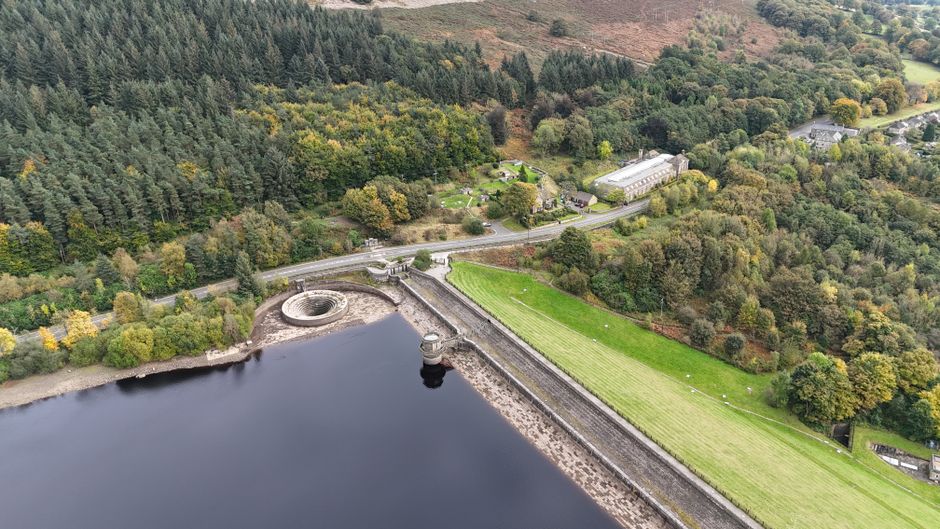
- By 2060, half of the world’s reservoirs could be clogged up with dirt due to sedimentation, putting the global water supply at risk.
- The world is losing over 7% of its freshwater storage capacity every decade to sediment build-up.
- Reservoir sedimentation is accelerated by human activities like deforestation, land use changes, and climate change.
- The problem of reservoir sedimentation affects reservoirs of all sizes, from small farm ponds to large hydroelectric dams.
- Addressing reservoir sedimentation is crucial for water management, agriculture, and ecosystems.
The world is facing a looming water crisis, with half of its reservoirs potentially clogged up with dirt by 2060, according to a recent analysis of over half a million reservoirs. Each decade, the world is losing over 7 per cent of its freshwater storage capacity to sediment build-up, threatening the global water supply. This alarming trend has significant implications for water management, agriculture, and ecosystems, making it essential to address the issue promptly.
Current State of Reservoir Sedimentation

The sedimentation of reservoirs is a natural process, but human activities such as deforestation, land use changes, and climate change have accelerated the rate of sediment build-up. As a result, the storage capacity of reservoirs is decreasing, affecting their ability to regulate water flow, prevent flooding, and supply water for irrigation and drinking. The analysis of over half a million reservoirs reveals that the problem is widespread, with sedimentation affecting reservoirs of all sizes, from small farm ponds to large hydroelectric dams.
Historical Context of Reservoir Sedimentation

The issue of reservoir sedimentation is not new, but its severity has increased over the years due to human activities. In the past, sedimentation was a slow process that occurred over centuries, allowing reservoirs to be desilted or rebuilt. However, with the rapid increase in population, urbanization, and land use changes, the rate of sedimentation has accelerated, making it challenging to maintain reservoirs. The construction of large dams in the mid-20th century further exacerbated the problem, as it disrupted natural sediment transport processes, leading to increased sediment build-up in reservoirs.
Key Players in Reservoir Sedimentation Management

Effective management of reservoir sedimentation requires the involvement of multiple stakeholders, including governments, water authorities, farmers, and local communities. Governments and water authorities must develop and implement policies to reduce sedimentation, such as reforestation programs, soil conservation measures, and sustainable land use practices. Farmers and local communities can also play a crucial role by adopting practices that reduce soil erosion, such as terracing and cover cropping. International organizations, such as the United Nations Water, are also working to raise awareness about the issue and provide guidance on sustainable water management practices.
Consequences of Reservoir Sedimentation

The consequences of reservoir sedimentation are far-reaching, affecting not only the water supply but also the environment, economy, and human health. Reduced water storage capacity can lead to increased flooding, water scarcity, and decreased water quality, making it challenging to meet the demands of agriculture, industry, and domestic use. Sedimentation can also alter ecosystems, affecting aquatic life and biodiversity. Furthermore, the economic costs of sedimentation can be significant, as it may require expensive desilting or dam reconstruction operations.
The Bigger Picture
The issue of reservoir sedimentation is a symptom of a broader problem – the unsustainable use of natural resources. The increasing demand for water, land, and energy has led to the degradation of ecosystems, threatening the long-term availability of these resources. Addressing reservoir sedimentation requires a holistic approach that considers the complex relationships between water, land, and ecosystems. By adopting sustainable practices and managing resources effectively, we can mitigate the effects of sedimentation and ensure a more resilient and water-secure future. For more information on sustainable water management, visit the World Water Council website.
In conclusion, the sedimentation of reservoirs is a pressing issue that requires immediate attention. As the world’s population continues to grow, it is essential to address the root causes of sedimentation and develop effective management strategies to maintain the health and functionality of reservoirs. By working together, we can ensure a water-secure future and mitigate the impacts of reservoir sedimentation on ecosystems, economies, and human well-being.
Source: New Scientist