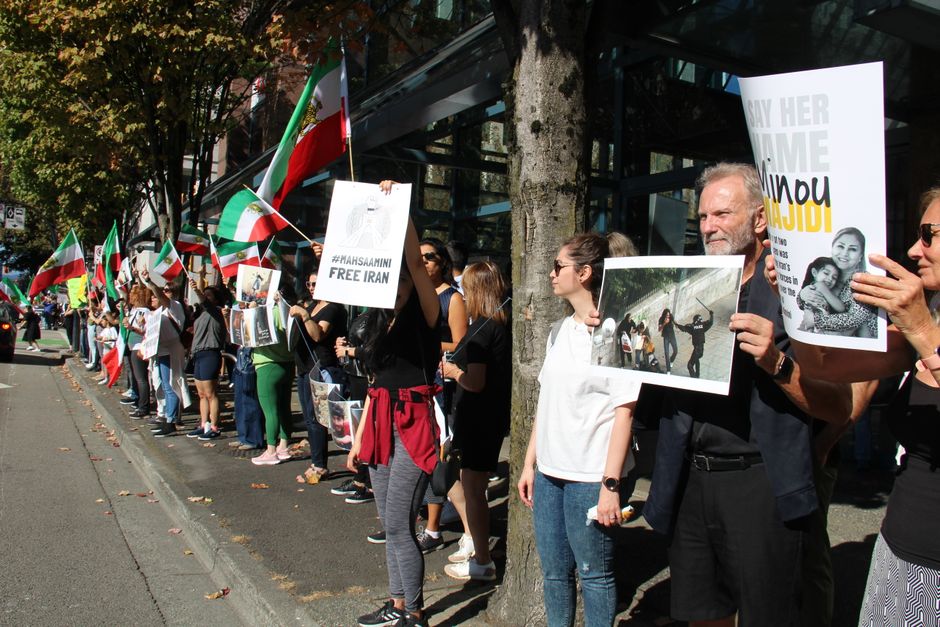
- Iranian diaspora members protested outside a Los Angeles stadium before a World Cup match, demonstrating against the Iranian government.
- The demonstration involved waving pre-revolutionary flags, symbolizing a desire for a return to democratic and secular principles.
- Protests reflect ongoing tensions between the Iranian government and its citizens, both within Iran and among the diaspora.
- The World Cup timing was strategic, aiming to leverage global attention to highlight the plight of the Iranian people.
- Concerns driving these protests include human rights, political freedom, and a general pursuit of social justice within Iran.
Iranians protested outside the Los Angeles Stadium on Sunday, with over 200 members of the Iranian diaspora gathering to wave the country’s pre-revolutionary “Lion and Sun” flags and voice their opposition to the Iranian government ahead of Iran’s first match in the 2026 FIFA World Cup. This demonstration highlights the ongoing tensions between the Iranian government and its citizens, both at home and abroad. The fact that this protest took place on the sidelines of a major international sporting event underscores the significance of the issue and its potential to draw global attention.
Background to the Protests

The Iranian diaspora has long been vocal about its dissatisfaction with the Iranian government, citing concerns over human rights, political freedom, and social justice. These protests outside the World Cup stadium are a continuation of the ongoing movement for change within Iran and among its diaspora communities. The use of the pre-revolutionary “Lion and Sun” flag is particularly symbolic, as it represents a call for a return to the democratic and secular principles that existed before the 1979 Islamic Revolution. The timing of these protests, coinciding with the World Cup, is strategic, aiming to capitalize on the global spotlight to bring attention to the plight of the Iranian people and the challenges they face under the current regime.
Key Details of the Protest

The protest outside the Los Angeles Stadium was peaceful, with demonstrators waving flags and holding signs that critiqued the Iranian government’s policies and human rights record. The presence of over 200 protesters indicates a significant level of organization and coordination within the Iranian diaspora community in the United States. The choice of the World Cup as a platform for protest also suggests an understanding of the power of international events to amplify messages and reach a broader audience. Reports from the scene described a sense of solidarity and determination among the protesters, who see their actions as part of a larger struggle for democracy and freedom in Iran.
Analysis of the Situation

The protests outside the World Cup stadium reflect deeper issues within Iran and its relations with the international community. The Iranian government faces challenges on multiple fronts, including economic pressures, internal dissent, and external scrutiny over its human rights record and nuclear program. The diaspora community’s decision to protest at such a high-profile event as the World Cup indicates a growing frustration and a desire to leverage any available platform to pressure the government for change. Analysts suggest that such protests can have a significant impact, both in terms of raising awareness globally and in influencing internal political dynamics within Iran.
Implications of the Protests

The implications of these protests are multifaceted, affecting not only the Iranian government’s reputation on the international stage but also the morale and unity of the Iranian team participating in the World Cup. For the Iranian people, both within Iran and in the diaspora, these protests serve as a powerful statement of resistance and a call for reform. The international community’s response to these protests will also be closely watched, as it may influence future diplomatic engagements and human rights discussions involving Iran. Furthermore, the success of these protests in garnering attention could inspire similar actions at other international events, potentially leading to a more sustained and visible movement for change.
Expert Perspectives
Experts on Iranian affairs and human rights note that protests like these are crucial in highlighting the ongoing struggle for democracy and human rights in Iran. They also caution that the path to meaningful change will be challenging, requiring sustained pressure from both within and outside Iran. The role of the diaspora community in mobilizing support and keeping the issue in the international spotlight is seen as particularly important. However, there are also concerns about the potential backlash against protesters and the impact on Iran’s already fraught relations with Western countries.
Looking forward, the key question is how the Iranian government will respond to these protests and the broader movement they represent. Will the international attention and pressure lead to any concessions or reforms, or will the government opt for a more repressive approach? The answer to this question will not only determine the future of the protest movement but also have significant implications for Iran’s internal stability and its relations with the rest of the world. As the World Cup continues, the eyes of the world will be on Iran, both on and off the pitch, waiting to see how this situation unfolds.
Source: Euronews