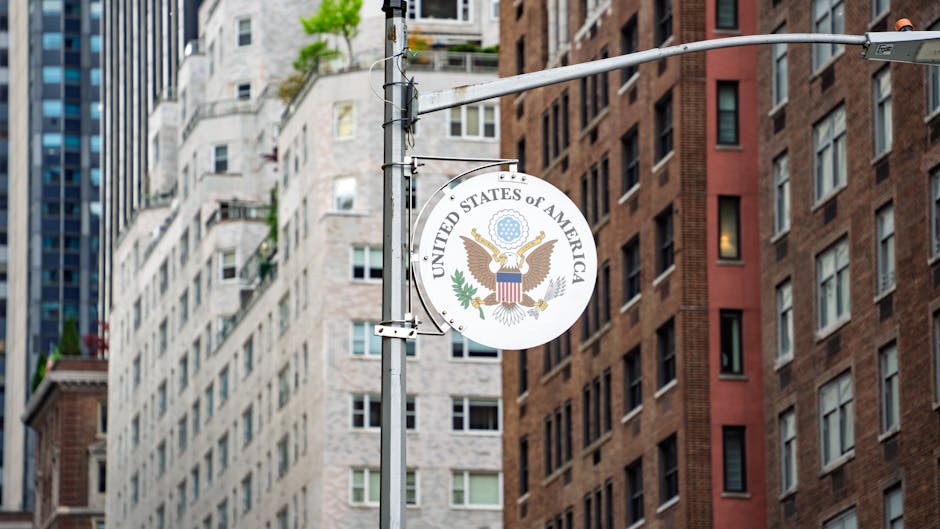
- US visa denials for Iranian football staff follow the US granting visas to Iranian players, creating uncertainty for the team’s World Cup participation.
- This incident highlights the potential for geopolitical tensions to disrupt international sporting events and undermine diplomatic efforts.
- Iranian officials view the denial as a diplomatic snub, impacting the team’s preparation and potentially their performance in the World Cup.
- The Iranian Football Federation strongly condemned the US decision, arguing it violates international sports principles and is unacceptable.
- The situation raises broader questions about the role of sports in diplomacy and the challenges of separating politics from athletic competition.
What happens when diplomatic tensions affect global sporting events? The Iranian national football team’s participation in the World Cup has been thrown into uncertainty after Iranian officials claimed that technical staff have been denied visas to enter the US, just hours after the US announced that players would be granted visas. This development raises questions about the impact of geopolitical tensions on international sports and the implications for global events.
Visa Issues and Diplomatic Tensions

The US decision to grant visas to Iranian players was seen as a positive step towards easing tensions between the two countries, but the subsequent denial of visas to technical staff has sparked concerns about the sincerity of this gesture. According to Iranian officials, the technical staff, including coaches and trainers, are essential to the team’s preparation and participation in the World Cup. The denial of visas to these individuals has been perceived as a diplomatic snub, exacerbating existing tensions between the two nations.
Supporting Evidence and Reactions

Iranian officials have expressed outrage and disappointment over the visa denials, citing the importance of the technical staff in the team’s success. The Iranian Football Federation has released a statement condemning the US decision, stating that it is ‘unacceptable’ and ‘contrary to the principles of international sports.’ The BBC reports that the US State Department has not commented on the matter, fueling speculation about the reasons behind the visa denials. The incident has also sparked reactions from the international football community, with many calling for a resolution to the issue to ensure the Iranian team’s participation in the World Cup.
Counter-Perspectives and Skepticism

Some analysts have suggested that the visa denials may be a result of ongoing diplomatic tensions between the US and Iran, rather than a deliberate attempt to sabotage the Iranian team’s participation in the World Cup. Others have pointed out that the US has a complex and often contradictory visa policy, which can lead to inconsistent decisions. However, Iranian officials and fans remain skeptical, citing previous instances of diplomatic tensions affecting sporting events and the perceived lack of goodwill from the US government. The New York Times reports that the incident has highlighted the challenges of navigating international sports in a complex geopolitical landscape.
Real-World Impact and Consequences

The denial of visas to Iranian technical staff has significant implications for the team’s preparation and participation in the World Cup. Without their coaches and trainers, the team may struggle to perform at its best, potentially affecting its chances of advancing in the tournament. The incident also raises concerns about the broader impact of diplomatic tensions on international sports, potentially undermining the integrity and inclusivity of global events. The World Cup is a symbol of international unity and cooperation, and the visa controversy has cast a shadow over the tournament, highlighting the need for diplomatic efforts to resolve the issue and ensure the participation of all qualified teams.
What This Means For You
The Iranian staff visa controversy serves as a reminder of the complex interplay between geopolitics and international sports. As a fan or observer, it is essential to consider the broader implications of such incidents, recognizing that diplomatic tensions can have far-reaching consequences for global events and the teams that participate in them. The incident highlights the need for diplomacy and cooperation to ensure that international sports remain a symbol of unity and inclusivity, rather than a reflection of geopolitical divisions.
As the situation continues to unfold, it remains to be seen how the US and Iranian governments will resolve the visa issue and what impact it will have on the Iranian team’s participation in the World Cup. Will diplomatic efforts succeed in resolving the issue, or will the controversy cast a lasting shadow over the tournament? The answer to this question will depend on the actions of governments, international organizations, and the football community, underscoring the need for continued attention and engagement on this critical issue.
Source: BBC