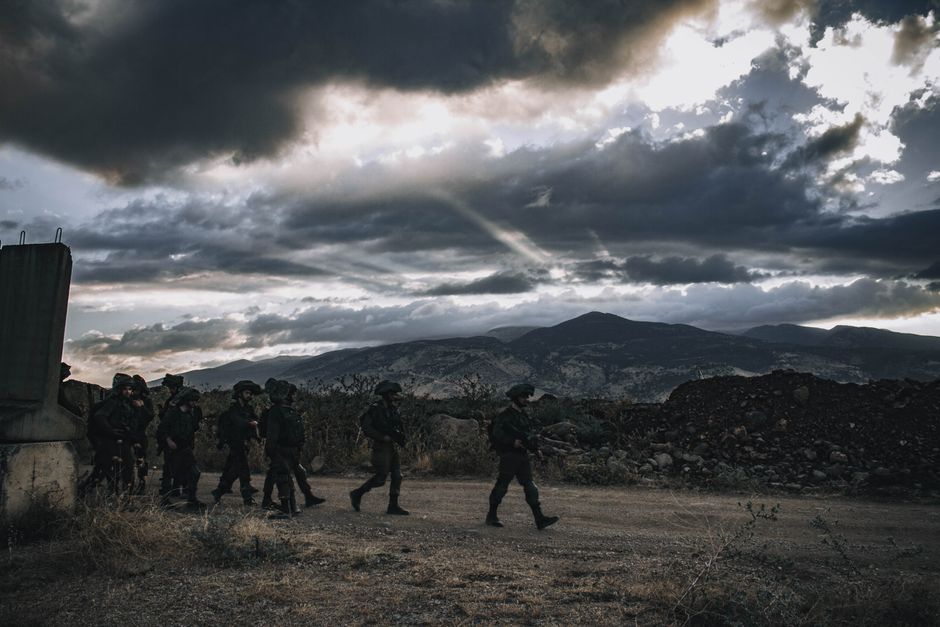
- Iran and Israel engaged in a direct exchange of strikes, the first instance since April, significantly escalating regional tensions.
- The conflict stems from long-standing disputes over regional influence, security concerns, and fundamental ideological differences.
- Iran launched missiles at Israel, while Israel retaliated by targeting military sites and a petrochemical complex within Iran.
- Both Iran and Israel have affirmed their commitment to defending their interests and protecting their respective national security.
- Experts warn the current escalation poses a serious risk of further violence and instability throughout the Middle East region.
What sparked the latest escalation in the Iran-Israel conflict, and why does it matter now? The answer lies in the recent exchange of strikes between the two nations, which marks the first such incident since April. Iran launched waves of missiles at Israel, while Israel struck military targets and a petrochemical complex in Iran, raising concerns about the potential for further violence in the region.
Understanding the Conflict

The conflict between Iran and Israel is rooted in a long-standing dispute over regional influence, security, and ideology. The recent strikes are a direct result of this ongoing tension, with both sides seeking to assert their dominance and protect their interests. According to reports from the New York Times, the exchange of strikes is a significant escalation of the conflict, and it remains to be seen how the situation will unfold in the coming days.
Supporting Evidence

Data and quotes from sources in the region suggest that the conflict is far from over. Iran’s military has stated that it will continue to defend its interests and respond to any aggression from Israel. Meanwhile, Israeli officials have vowed to protect their country’s security and sovereignty. The BBC reports that the international community is calling for calm and restraint, but the situation remains volatile.
Counter-Perspectives

Not everyone agrees that the conflict is solely the result of Iranian and Israeli aggression. Some analysts argue that the situation is more complex, with other regional players and global powers contributing to the tension. For example, the role of the United States in the region has been cited as a factor, with some arguing that its support for Israel has emboldened the country to take a harder line against Iran. Others point to the influence of other Middle Eastern nations, such as Saudi Arabia and the United Arab Emirates, which have their own interests and agendas in the region.
Real-World Impact

The conflict between Iran and Israel has significant real-world implications, from the potential for further violence and instability in the region to the impact on global energy markets. The petrochemical complex struck by Israel is a critical piece of infrastructure, and damage to it could have far-reaching consequences for the global economy. Furthermore, the conflict has the potential to draw in other regional players, leading to a broader and more devastating conflict.
What This Means For You
So what does the latest escalation in the Iran-Israel conflict mean for the average person? In practical terms, it means that the risk of further violence and instability in the region has increased, and that the global economy could be impacted by the conflict. It also means that the international community must remain vigilant and work towards a peaceful resolution to the conflict, rather than allowing it to escalate further.
As the situation continues to unfold, one question remains: what will it take for Iran and Israel to find a path towards peace and stability? Will the international community be able to broker a lasting ceasefire, or will the conflict continue to simmer, posing a threat to regional and global security? Only time will tell, but one thing is certain: the world will be watching closely as the situation develops.
Source: The New York Times