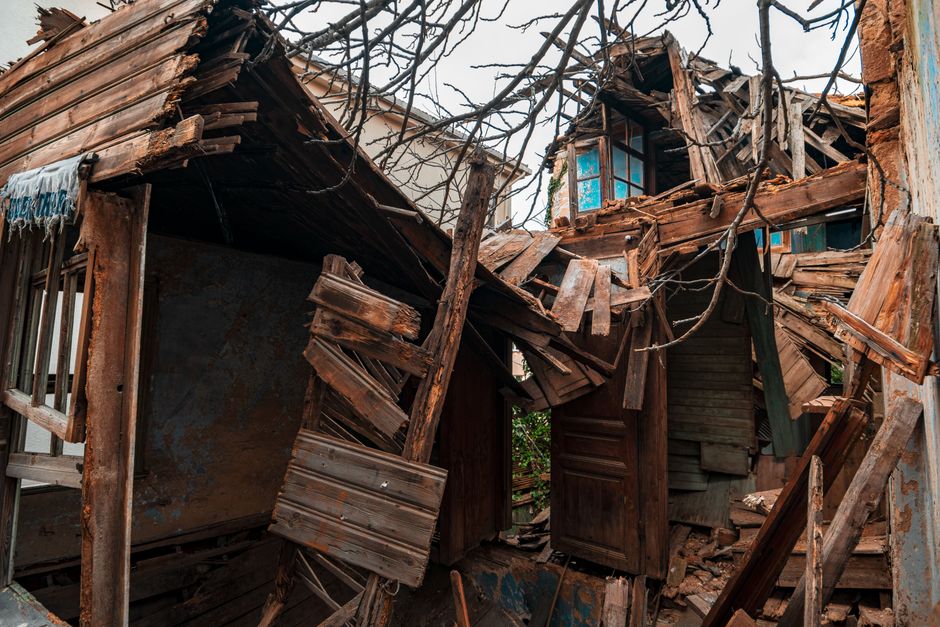
- A 7.8-magnitude earthquake struck the southern Philippines, killing at least 15 people and displacing tens of thousands.
- The disaster highlights the importance of disaster preparedness and infrastructure resilience in earthquake-prone areas.
- The earthquake caused significant destruction, including the collapse of buildings and damage to bridges.
- A tsunami warning was issued, but later lifted, as the quake struck at a depth of approximately 60 kilometers.
- Initial reports indicate entire neighborhoods have been reduced to rubble, leaving many without access to basic necessities.
A strong earthquake with a magnitude of 7.8 struck the southern Philippines, resulting in the deaths of at least 15 people and injuring dozens more. The quake, which occurred off the island of Mindanao, caused significant destruction, including the collapse of buildings and damage to bridges, and has displaced tens of thousands of people. This disaster has raised concerns about the region’s ability to respond to and recover from such devastating events, and why it matters now is that it highlights the importance of disaster preparedness and infrastructure resilience in earthquake-prone areas.
What Happened and Where?

The earthquake struck at a depth of approximately 60 kilometers, with its epicenter located off the coast of Mindanao, one of the largest islands in the Philippines. The quake was powerful enough to cause a tsunami warning to be issued, although it was later lifted. According to reports from the New York Times, the affected areas are still being assessed for the full extent of the damage, but initial reports indicate that entire neighborhoods have been reduced to rubble, leaving many without access to basic necessities like food, water, and shelter.
Supporting Evidence and Data

Seismologists from the United States Geological Survey (USGS) have confirmed the magnitude of the earthquake, classifying it as a major seismic event. The Philippine Institute of Volcanology and Seismology (PHIVOLCS) has also issued statements regarding the quake, providing critical information on its magnitude, depth, and potential aftershocks. Quotes from local officials and eyewitnesses describe the scene as chaotic, with many describing the sound of the earthquake as a loud rumbling noise, followed by the collapse of buildings and power lines.
Counter-Perspectives and Challenges

Some experts argue that the death toll could have been lower if the region had more stringent building codes and better disaster preparedness measures in place. Others point out that the Philippines, being located in the Pacific Ring of Fire, is naturally prone to earthquakes, and that such events, although devastating, are an unfortunate reality for the region. Skeptics also question the effectiveness of the emergency response, citing delays in the arrival of aid and the lack of resources available to those affected.
Real-World Impact and Consequences

The real-world impact of this earthquake is evident in the widespread destruction and displacement of people. Concrete examples include the collapse of a major hospital in the affected area, which has put a strain on the healthcare system, and the destruction of critical infrastructure such as bridges and roads, which has hindered relief efforts. The consequences of this event will be felt for a long time, with many families left to pick up the pieces and rebuild their lives from scratch.
What This Means For You
For readers, this event serves as a stark reminder of the importance of disaster preparedness and the need for infrastructure resilience in earthquake-prone areas. It highlights the need for individuals and communities to be proactive in preparing for such events, whether through emergency drills, having evacuation plans in place, or supporting organizations that work towards disaster risk reduction. The practical takeaway is that being prepared can save lives and reduce the impact of such disasters.
As the people of the southern Philippines begin the long process of recovery and rebuilding, an open question remains: what more can be done to prevent such devastating losses in the future, and how can the international community support regions prone to natural disasters in building more resilient communities? This question prompts further inquiry into the intersection of disaster preparedness, infrastructure development, and community resilience, and the role that individuals, organizations, and governments can play in mitigating the effects of earthquakes and other natural disasters.
Source: The New York Times