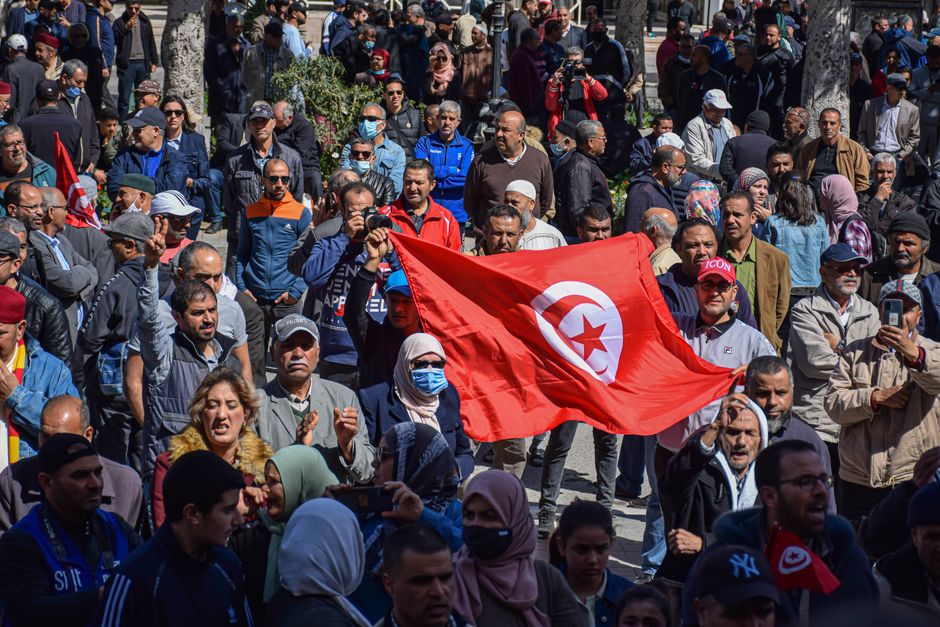
- Tunisians are protesting in the streets, demanding press freedom and the release of political prisoners.
- The protests highlight concerns about the erosion of freedoms and detention of individuals for their political views.
- The situation tests the government’s commitment to upholding democracy and respecting citizens’ rights.
- The protests are part of Tunisia’s ongoing transition towards democracy.
- Press freedom and human rights are central to Tunisia’s democratic journey.
Tunisians are protesting in the streets, demanding press freedom and the release of political prisoners, in a significant development that underscores the country’s ongoing struggle for democracy and human rights. The protests, which have been gaining momentum, highlight the concerns of citizens regarding the erosion of freedoms and the detention of individuals for their political views. As the situation continues to unfold, it matters now because it tests the government’s commitment to upholding the principles of democracy and respecting the rights of its citizens.
Background and Context

The current wave of protests in Tunisia is not an isolated incident, but rather part of a broader narrative of the country’s transition towards democracy. Since the Arab Spring in 2011, Tunisia has been navigating the challenges of building a democratic society, with press freedom and the protection of human rights being central to this process. However, in recent years, there have been concerns about the backsliding of democratic gains, with the government facing criticism for its handling of political dissent and freedom of expression. This background is crucial in understanding why the protests matter now, as they represent a critical moment in Tunisia’s democratic journey.
Key Details of the Protests

The protests have seen citizens from various walks of life come together to voice their demands for press freedom and the release of political prisoners. The movement is characterized by its peaceful nature, with protesters emphasizing their commitment to non-violent means of expressing their grievances. Key figures and organizations involved in the protests include human rights groups, journalists, and opposition political parties, who are united in their call for the government to respect the constitution and international human rights norms. The involvement of such a broad spectrum of society indicates the depth of concern among Tunisians about the state of their democracy.
Analysis of the Situation

An analysis of the situation reveals that the protests are driven by a complex interplay of factors, including political, social, and economic grievances. At the heart of the matter is the perception that the government has failed to deliver on its promises of democratic reform and has instead resorted to authoritarian measures to suppress dissent. Experts point to the importance of a free press in holding those in power accountable and note that the detention of political prisoners undermines the rule of law and democratic principles. Data from human rights organizations shows a significant increase in cases of political detention and harassment of journalists, further fueling the protests. For more information on the importance of press freedom, visit BBC News for in-depth coverage.
Implications for Tunisia and Beyond

The implications of these protests are far-reaching, not only for Tunisia but also for the broader region. The outcome of this situation will be closely watched by democrats and authoritarian regimes alike, as it sets a precedent for how governments respond to demands for freedom and accountability. For the people of Tunisia, the protests represent a moment of truth, where the commitment of their government to democratic values will be tested. The international community, including organizations such as the United Nations, has a role to play in supporting Tunisians’ quest for democracy and human rights.
Expert Perspectives
Experts in the field of human rights and democracy offer contrasting viewpoints on the situation. Some argue that the protests are a necessary step towards ensuring that Tunisia does not backtrack on its democratic gains, while others caution that the situation must be handled with care to avoid instability. According to Dr. Amna Guellali, Amnesty International’s Deputy Director for the Middle East and North Africa, “The Tunisian authorities must listen to the demands of protesters and take immediate steps to release all political prisoners and ensure that journalists and activists can work without fear of harassment or detention.” These perspectives highlight the complexity of the issue and the need for a thoughtful and inclusive approach to resolving the crisis.
Looking forward, the key question is how the government will respond to the protests. Will it choose to engage in dialogue and reform, or will it opt for repression? The answer to this question will not only determine the future of democracy in Tunisia but also send a signal to the rest of the world about the country’s commitment to human rights and the rule of law. As the situation unfolds, it is crucial for observers to watch how the government balances the need to maintain order with the imperative to respect the rights and freedoms of its citizens. For updates on this developing story, visit Al Jazeera for comprehensive coverage.
Source: Al Jazeera